
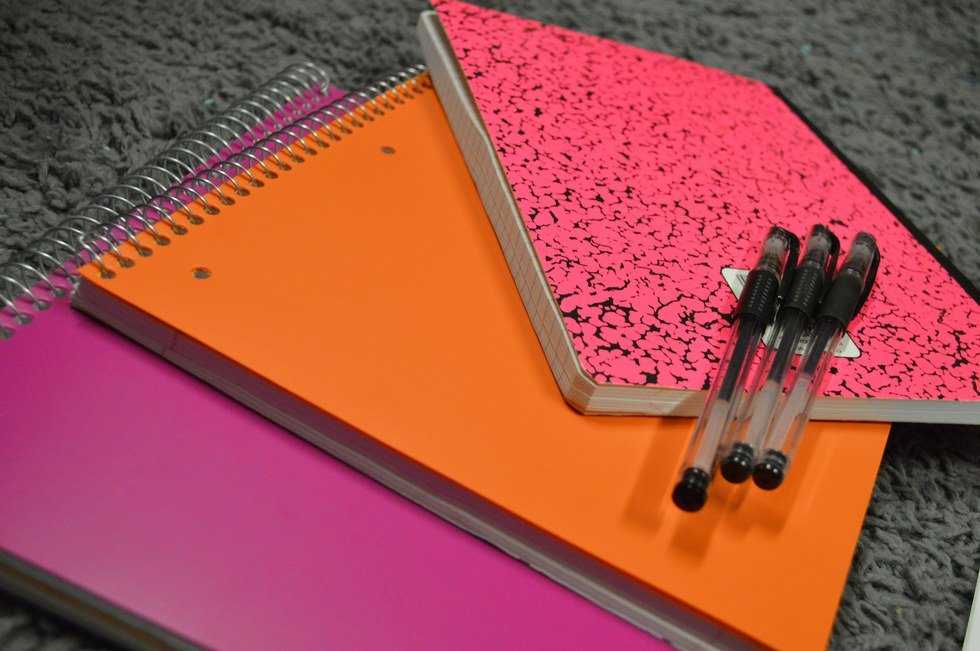
As a new college freshman, you reach the point in the semester when it's time for your first lengthy paper. It's all a new experience, and here's something along the lines of what it will end up looking like.
1. Receive assignment.
Your assignment was prominently displayed in the 17-page syllabus you received on the first day of class. You ignored the assignment every day until the professor mentioned it again, three months later, and mentioned the addition of an online grading rubric. Perfect! You now know exactly what you should be doing -- right?
2. Wait until more than 90 percent of the time to complete the assignment has gone by.
Your professor told you this assignment wasn't one that could be completed the night before it was due. You took that as a personal challenge. Your procrastinating skills never failed you in high school; why should they fail you now?
3. Choose the topic that is least relevant, but easiest to complete.
There's always one of those topics. You know -- the one that barely applied to the subject given, but gets as many Google results as searching the word "the." This is the best kind of essay topic, especially when most of your paper will end up being the same sentences with replacement synonyms, anyways.
4. Begin the search for information.
You begin the search for references, most of which comes from the cited sources at the bottom of Wikipedia pages on the subject. Of course, those are the most reliable sources one can possibly find, especially when inputting the least effort possible. Laziness is efficiency.
5. Go on half a dozen tangents through the pages of internet side news.
Do you care about Miss Superstar's engagement ring size? No, not really. Are you going to click on the article anyways? You bet you are.
6. Have all references and begin paper.
It's 1:37 a.m.
7. Finish the paper two words over the page requirement.
Your essay had a length requirement of seven to 10 pages. Here you are, at 4:22 a.m., just barely ending the seventh page. To your delight, the last two or three words you had to say just barely made it onto the eighth page, making sure you technically met the required length.
8. Learn the next day that said essay wasn't due until the next class.
What?
9. Promise yourself you'll spend more time dedicated to making your paper better.
You know your essay will be better quality if you can spend just a little more time working on it. Time between classes and meals can really add up, and might boost your grade an extra few percent.
10. "Forget" to spend another second working on your midnight masterpiece.
You did remember -- repeatedly, actually. You just had your priorities straight: finishing off the fifth, and beginning the sixth season of "Game of Thrones." Of course, that was more important.
11. Hand in what you already had.
Well, you're back in the same place you were before: sitting in your desk, hoping and praying that your paper on Shakespeare didn't rabbit trail off into a conversation about what you found in your fridge when you got hungry that night. Maybe it has parts of your brainstorming session for speech and debate, a few chemistry equations, or excerpts from your 1 a.m. conversation with your best friend about that cute boy in your class. Is that why the professor is looking at me funny?
12. Get an 86.
Not shabby for a late-night lark's brain child. Challenge accepted, and challenge conquered.
13. Repeat.
Every essay, for the remaining seven semesters of your undergraduate college career.