
I have an interview scheduled next week for a volunteer position at Swedish Hospital in Downtown Seattle. I was feeling pretty nervous about it so I consulted my awesome mentor, Christine, for advice and any tips that could help me. Together we came up with a list of some of the most important things to do. You may have heard these before, but for those of you who have an upcoming interview, here are some friendly reminders!
1. Be Punctual!
Early is a necessity, especially if the interview takes place somewhere you haven’t been before. If you don’t know the area very well, plan on getting there at least 15 minutes early to scope it out without having to run into the interview room sweating from exertion. The interview will most likely be your first impression, and arriving early shows you are responsible enough to manage your time well.
2. Dress to impress!
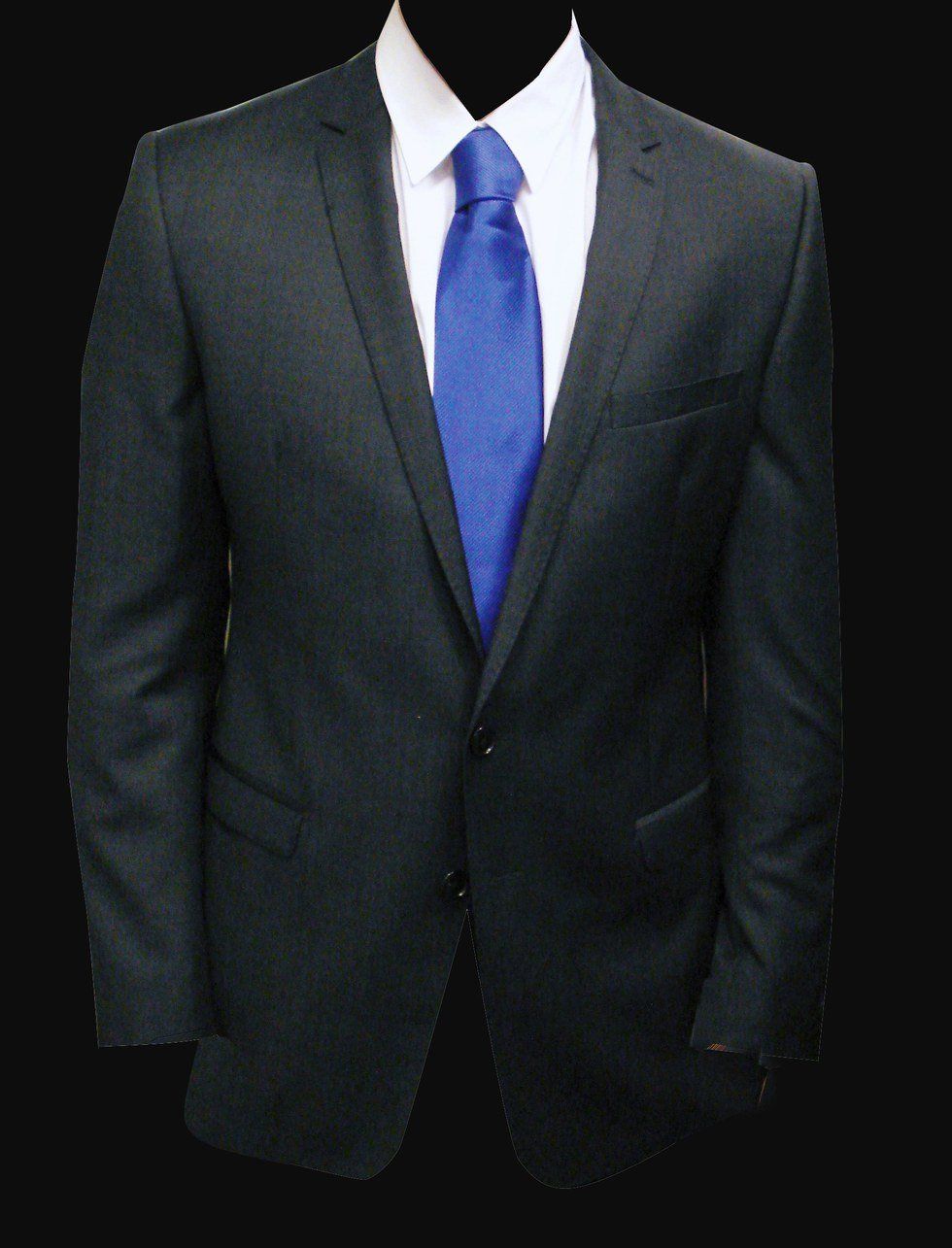
By this time in your life you should have a suit, or some sort of business formal wear. This includes a blazer, a nice blouse or dress shirt, and suit pants or a skirt. Make sure to have a solid pair of shoes as well, that are comfortable but formal. Sometimes interviews will include tours of the workplace, and you will want to have shoes that you can keep up in (this mainly applies to heels). Piercings and tattoos have become increasingly accepted, but if you know the organization you are interviewing for is more conservative, it is best to keep it safe and plain, so that the piercing/tattoo does not distract the interviewer from focusing on the questions. Some places are even stricter and will not even hire you if there are noticeable/visible piercings and tattoos, so research ahead of time.
3. Research ahead of time, and come with questions!
You don’t have to know every single aspect of the company/organization you are interested in, but you do want to give the impression that you are familiar with the mission/goals/values of the organization. With responding to questions by incorporating knowledge of the position you are applying for, you are informing the interviewer that you have given considerable thought and would make an easy transition into the work place. You want to make it as easy as possible for the interviewer to envision you in the position you are applying for. In addition, your research should lead to questions about the company, which you should ask at the end of the interview (when they usually allot time for questions). If it is a group interview, make sure to have at least 5-6 prepared; you don’t want to be the only one without a question!
4. Don’t feel the need to dominate the conversation!
Circumstances are different in a group interview, but during a one-on-one, you want to make it a dialogue as much as possible. The best interviews will leave the interviewer and the interviewee with a better idea of each other and whether or not the interviewee would be a good fit for the position. Truly understanding a person comes from genuine questions and organic conversation, not necessarily just a straight Q&A session. Don’t be afraid to let the conversation flow in whatever direction it will – the interviewer will refocus the conversation if s/he feels it has gone too far off topic. Remember that the interviewer isn’t there to intimidate you or make you feel nervous, their job is simply to get to know you better, so you might as well do the same and make it more comfortable for both of you!
5. Say thank you!
In this day and age, communication is easier than it’s ever been before (at least in terms of the tools used for communication). It takes less than a minute to send an email with your sincere thanks, so that is always an option. (Don’t forget to ask for a business card before you leave so you have their contact information for this reason!) It is always a nice touch to give them a paper card, though, so if it is at all possible, do the extra step – it can only help you!
These are the basic ways to have a smooth interview process, but the best way to feel ready is to practice. My mentor and I went through a list of standard questions, and it helped me feel much more comfortable talking about my accomplishments without feeling too braggy, and stay relaxed under the pressure. When you’re nervous, it’s easy to talk too fast or speak before you’ve given a question proper thought, so just remember to take a few deep breaths if you’re anxiety is getting the best of you. Interviews are generally not time-sensitive, so you can take your time (within reason) to think about an appropriate response.
Good luck on your interview, I hope this helped!