


The media: they are in our homes, at our work, in our schools and they tell us what they want us to know about the world. But is that information that we as consumers need? Are we getting all of the news? Are we getting the correct version of events? Or is the media, intentionally or not, telling us what we should think about and how to think about it?
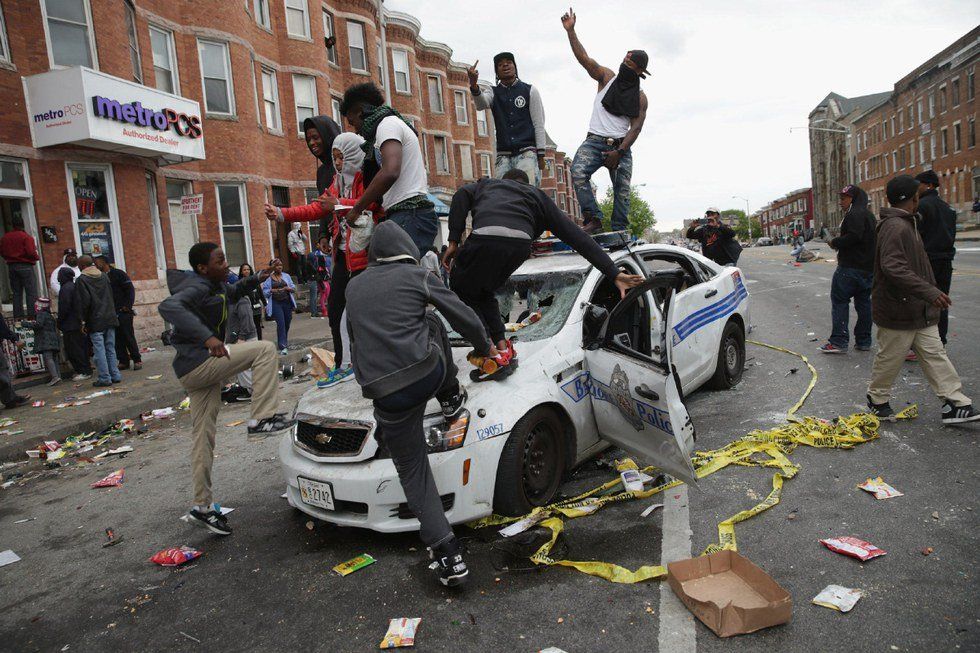
One recent event that hits home for many Marylanders was the “rioting” in Baltimore. While the media walked alongside stone throwers and angry, screaming protesters, they failed us. The violence that occurred in Baltimore was marginal. The lack of coverage on the peaceful protests showed that media was more interested in telling their own story, rather than what was really happening. This article from Mic highlights exactly how the media chose to cover the protest, and how many people, like Brandon Soderberg, tried to point out the blatant inaccuracies.
The media’s reaction to the protests was not a simple mistake by reporters and news outlets; this poor coverage changed how many people, even those in Baltimore, perceived the event. It could have even perpetuated the violence and tension of the situation. The representation of the protest was so biased that it was difficult to see there was a whole other side to the story.
Should we be worried about what the media tells us what to think about every day? Should we question what has been reported, and what could have been left out by journalists? There is overwhelming evidence that we should certainly be more hesitant to believe what we read online or watch on the daily news programs. The misrepresentation of Baltimore may seem small, but this type of reporting is becoming common journalism.
Media is changing and it has greatly evolved over the years. Technology allows us to be more interactive with the media, flattening the plane of communication between us. This dynamic of communication could be bad for us, as the “consumers,” when we could be echoing the rampant inaccuracies and misrepresentations of the media.
A glance at the news coverage of the presidential election also sheds some light on how the media chooses what we should know. News outlets across the board have treated Donald Trump as a celebrity, talking about who has stopped supporting him rather than the important issues. And the important issues we should be thinking about are coming second to negative interaction between parties and their candidates. An article PoliticusUsa posted in May discusses Democratic candidate Bernie Sanders's frustration with the media coverage, and how it is leaving the American people widely uniformed about what is happening with politics.
Word choice, coverage, and lack thereof can change the way we understand our society and how we as citizens can help fix major problems. With media and journalism practicing as it does now, we are going to have to siphon through the coverage, and always remember that just because we read something on the internet or hear news on television, does not mean we should take it at face value.

















