

There has been an uproar in the news recently after an Oklahoma court ruled that the oral rape of a teenage girl while she was unconscious was not, in fact, rape. People are understandably outraged, with most of the this rage directed at the courts who made the ruling. However, the Oklahoma statute regarding forced sodomy outlines different circumstances that would constitute force, with "incapacitation due to alcohol" not listed. The case was appealed to the Oklahoma criminal appeals court, where the court unanimously upheld the dismissal of the case at the trial court level.
Oklahoma is not the only state with outdated laws regarding sexual assault. In Ohio, there has to be "force or threat of force" in order for rape to be legally considered rape between two people who are married and living together. In North Carolina, as long as there was consent before intercourse it is not considered rape if the victim withdraws consent at a later point. Definitions of rape, sexual assault, sexual battery, and consent are different across all states, so while under Michigan State Law it would be considered sexual assault if a person is "mentally incapacitated" from alcohol, this is not the case in Oklahoma regarding oral assault.
These archaic laws contribute to rape culture across the United States. By telling a victim his or her assault was not legally sexual assault, we take the blame away from victim's perpetrator and place it solely on the victim's shoulders. Whenever a an outdated statute causes a rapist to walk free, society is excusing rape. In the Oklahoma case, the ruling is blaming the young woman for becoming "too intoxicated." One of the most popular forms of victim blaming is stating that assault is the victim's fault because he or she was drunk. In reality, rape and sexual assault is the sole responsibility of the rapist. It doesn't matter how much or how little someone has to drink, what he or she was wearing at the time of the assault, or what activities he or she was engaged in. Rape happens because of rapists. It's bad enough that people across the world perpetuate rape culture, but when the legal system, the system designed to promote justice and protect victims, contributes to rape culture, it sends a message to victims everywhere: we will not help you.These archaic laws create loopholes and allow rapists and predators to escape unscathed and continue to rape. If the legal system won't help a victim, who will?
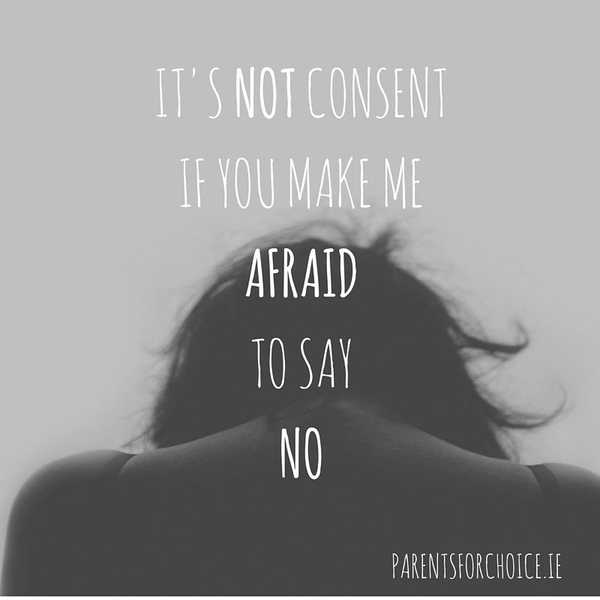
While some laws pertaining to rape and sexual assault have improved in recent years, the Oklahoma case demonstrates how there are many statutes that need an overhaul in order to protect victims and punish perpetrators. Laws also need to be clear on what does or does not constitute consent, and explicitly state that consent can be withdrawn at any time. A young girl who is unconscious from alcohol intake is not giving her consent. A college coed at a bar dressed in a crop top is not giving her consent. Someone who consents to oral sex but says no to penetration is not giving consent. The only way to give consent is a clear and uncoerced, "yes," and statues need to reflect this. Get it together, America.