

It's a pretty common fact that humans have been harming the world we inhabit for as long as we've lived on it. Everyone knows they should recycle, use renewable energy sources, and shouldn't litter, but have you thought about the impact we've been having on the oceans? I'm not talking about oil spills, which are terrible, but something we don't tend to think about when it comes to harming the environment: sunscreen. If you're as pale as I am, you probably wear lots of sunscreen throughout the warmer months. While we may be protecting our skin from the damaging rays of the sun, we are also harming the oceans and the life in them.
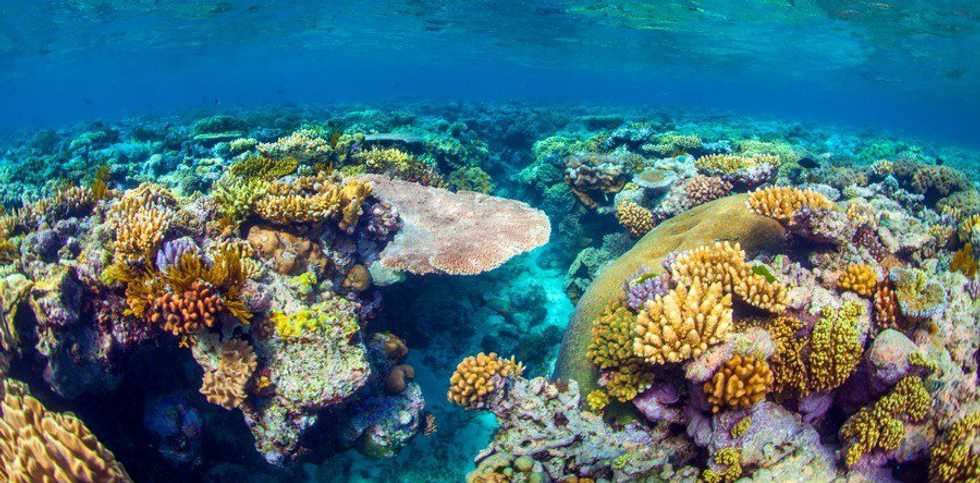
We often carry sunscreen into the oceans with us while swimming, surfing, and snorkeling. Many tropical vacation destinations draw crowds who are contributing to the destruction of coral reefs and other ocean habitats. Coral reefs are "some of the most biologically diverse ecosystems in the world", and house millions of different living species. Research states that "4,000 to 6,000 TONS of sunscreen enter reef areas annually." When this sunscreen dissipates into the oceans, it awakens coral viruses. The coral become sick and expel important algae, then eventually bleach and die.
The main issue with sunscreens harming coral reefs is that while coral reefs only make up one percent of ocean surface, 90 percent of snorkeling and diving tourists are centered on ten percent of the oceans reefs. These reefs are receiving an exponential amount of exposure to harmful chemicals in sunscreen and are more likely to bleach and die. While sunscreen is important for our own skin health, we don't need to sacrifice the life in our oceans for it.
Currently, there are no sunscreens that are officially "reef safe" because there are no tests for it. Fortunately, many sunscreen companies are taking a stand and attempting to make their sunscreens less likely to have a negative impact on coral reefs. One important thing to look at when shopping for sunscreen this summer or before your next tropical vacation is the chemicals that are most likely to harm coral reefs. There are three common chemicals that are shown to kill coral at low concentrations (as low as one drop in 6.5 Olympic sized swimming pools:
- Oxybenzone (Benzophenone-3, BP-3) which is found in over 3500 sunscreen products worldwide
- Butylparaben
- Octinoxate
These chemicals can destroy thousands of individual coral in such small amounts, that we should be doing our best to avoid them whenever possible. The national park service recommends using sunscreens with zinc oxide or titanium oxide because those naturally occurring minerals have not been proven to harm coral. It's also recommended to use your common judgment when in the sun to protect your skin rather than wearing sunscreen such as wearing a hat, sunglasses, and a rash guard while swimming. Switching to a waterproof version of sunscreen can reduce the amount that comes off your skin while in the water. You can even reach for a biodegradable sunscreen because those are less likely to harm coral as well.
I've included a list of sunscreens available that are less likely to harm coral reefs. If we all contribute just something as small as switching our sunscreen, we can make a huge difference in the planet that generations from now will inherit. Do your part.
- CeraVe SPF 50
- Kiss My Face SPF 30
- Honest SPF 30