
It’s been six years since my younger sister was diagnosed with type 1 diabetes. She is now 16 years old and going into her junior year of high school, and I couldn’t be more proud of how she’s turned her disease into something that empowers her identity instead of something that holds her back. It wasn’t always easy for her and sometimes she still struggles with the disease’s limitations but as her older sister I have seen her struggle, all firsthand.
She was diagnosed in the sixth grade, which is a common time for children to get the disease. Type 1 was previously referred to as juvenile diabetes because it affects children and young adults under 20 years old, but anyone can get it at any age. A person with type 1 diabetes has a pancreas that can no longer produce insulin, which is very problematic since insulin breaks down all the sugar and starches in the food that we eat in order to produce energy.
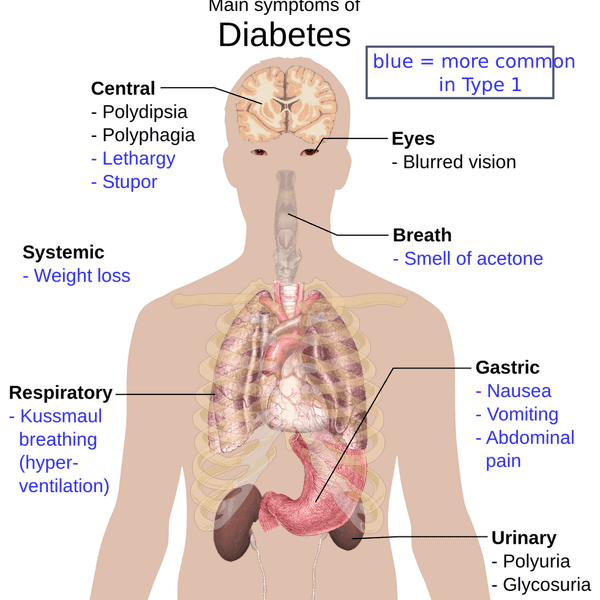
When my sister was diagnosed, her body starting breaking down and what we thought was just a case of dehydration was actually her body going through hyperglycemia: an excess of glucose in the bloodstream. Her face was pale and her eyes rolled back into her head continuously; she was laying on the couch and every minute it looked as if more of her energy was being sucked out. My entire family was in a state of panic because it seemed as if it happened out of nowhere. There were no warning signs; one day she was herself and the next she woke up terribly sick. Little did we know that the disease had been taking over her body this entire time and that today was just the day that it would try to win. The warning signs had always been there but we never picked up on them. Her frequent urination, her constant thirst, and her unexplained fatigue was her body trying to warn her that something was wrong.
When her body finally let the disease take over, she was placed in the ICU and for about two days as her body recovered from the shock she was experiencing a diabetic coma. During the diabetic coma her body was breaking down fats instead of glucose to produce energy because of the lack of insulin in her blood. The broken down fat then created waste products called ketones, which our bodies cannot handle in large amounts. The overflow of ketones in her bloodstream produced the coma but luckily the doctors were able to catch it early enough to treat. Even though we were informed that she would definitely be okay, the type 1 diabetes was here to stay and I know that terrified her more than anything. There is no permanent cure for type 1 diabetes unlike the type 2 version, which is reversible because the body is still producing insulin on its own. My sister would have to deal with insulin injections and treatments for the rest of her life.
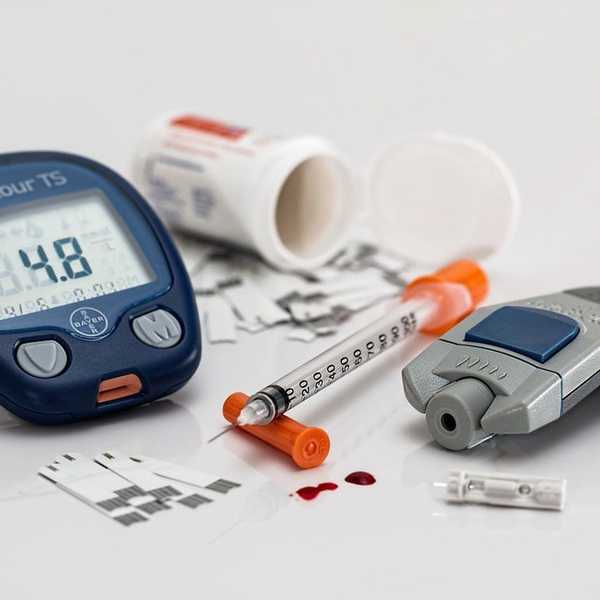
When she came home from the hospital she had a huge box of medical supplies that she would have to use daily. The box contained multiple insulin shots, alcohol swabs, an emergency glucagon kit, glucose tablets, blood sugar meters, lancets, test strips, extra syringes, and ketone test strips...if you’re head is spinning just reading that list, imagine having to go through these supplies every single day.
Every time she wanted to take a bite of food she had to count the carbohydrates and then calculate the amount of insulin she would need to inject herself with in order for her body to break down the food properly. Eating became a tedious process for her, especially in public when she tried to hide her needles from everyone around her.
Every time she felt a little headache or some dizziness she had to prick her finger and use a blood sugar meter to measure the amount of glucose in her blood to make sure she wasn’t experiencing a case of hyperglycemia or hypoglycemia. Her life changed in an instant as she now had the responsibility of being her body’s pancreas. She feared that the disease would control her life and that it would become the one thing that would define her. And although her disease is a huge part of her identity, she now values it for the strength it has given her. She didn’t allow the diabetes to become an impeding factor on the person she was supposed to become.
I became her rock during her days of struggle. When she felt alone, I was there. When she felt like no one understood, I tried to understand. And slowly she began to get used to her disease and so did I. Shots no longer made me cringe and for her, injecting herself became second nature. Her diabetes encouraged her to keep growing as a person. She came to terms with the fact that defeating her disease wasn't an option and that she just had to make the best of her circumstances in order to live with it. She inspires me every day because she never says, “I can’t do that because I have diabetes.” Diabetes is never an excuse for her and she’s overcoming new and old obstacles every day. There are no boundaries for her and she never backs down. She puts a smile on her face every day and if the diabetes starts to get a little tough, I’m right there to remind her that she’s gotten through worse days. And even though I’m the older sister, I'm the one looking up to her.