“People make their own worlds.” – Eva Ibbotson, Journey to the River Sea
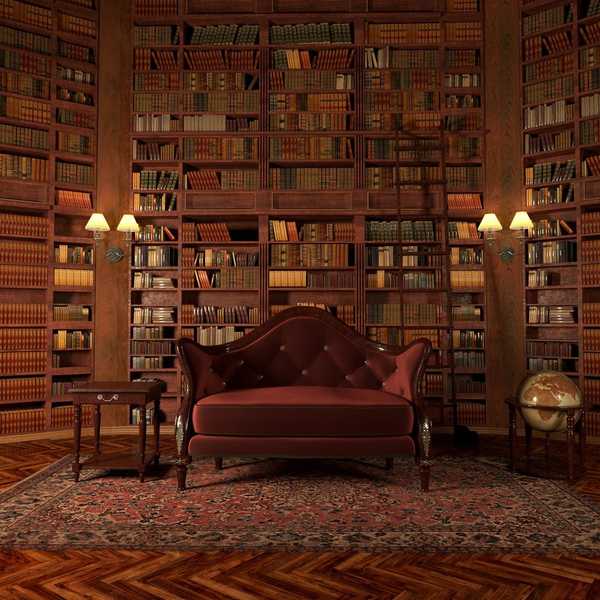
My earliest memories were of seeing my mother curled up in a chair in the afternoon, submerged in a book. One day it may have been Pride and Prejudice; another, perhaps an Agatha Christie novel. She painstakingly taught me the alphabet when I was four years old, and imparted to me a zeal for reading, which I have fortunately never outgrown. It never ceased to amaze me that within a few words, a book could transport me to a different universe. As a child, I quickly established my favorite genres: fiction and fantasy. In the books I devoured, anything was possible, whether it be magic at Hogwarts or traveling to Mordor in Middle Earth. I read for the sole purpose of pleasure - for nothing more, nothing less.
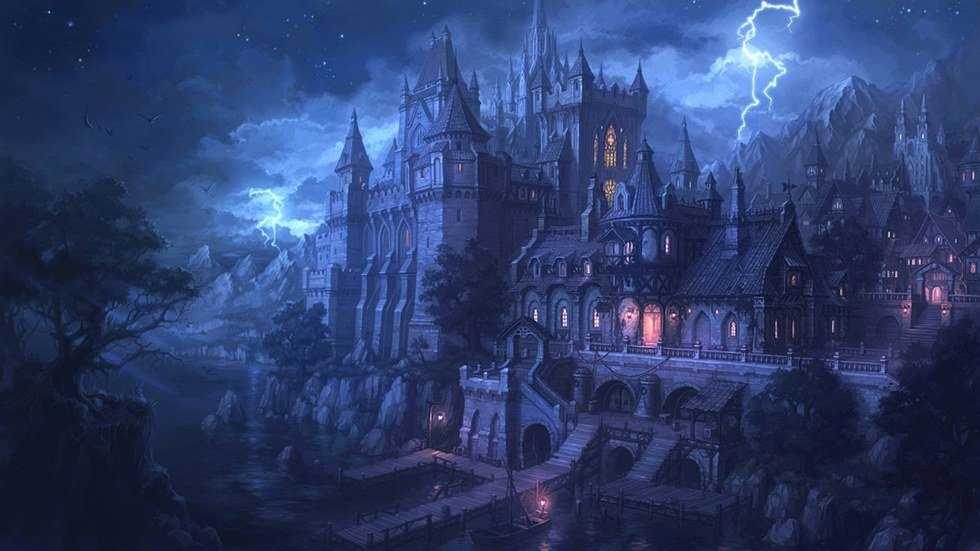
Later, and especially in school, I began to read novels of different genres, some of which were too realistic for my liking. They were of midlife crises and unresolved discontent, of dreariness and the lack of ability to escape it. I hated them. They cast into doubt my faith in magic, and forced me to question my taste in fiction. Was it some delusional attempt to escape from reality? I soon discovered that most people view fantasy as either a link to a nostalgic past or a genre reserved for the children's section of the library. I began to feel ashamed of my childlike love of fantasy, and formed an apprehension for the future. I believed the skeptics who said that life is truly as devoid of magic and inspiration as realistic literature implied.
Some weeks later, my friends and I decided to attend a book signing at which the author of one of my favorite books, Artemis Fowl, was present: Eoin Colfer. Artemis Fowl is about a teenage criminal mastermind who combines a child's incorrigible belief in magic with the intelligence of an adult, and manages to kidnap a fairy and ransom her for leprechaun gold. I loved the series, even as I became older, because it combines magic and fantastical creatures seamlessly with sci-fi, while giving the characters substance. When I met Eoin Colfer, I was shocked at his normalness. He had endured hard times throughout both his childhood and adult life, and managed to make it as writer and raise a family. If anyone understood the reality of life, he did, but yet he still held the belief that magic is possible.
He showed me how magic could be found in the most mundane of places, and that humor lives in everyday situations. I realized that choosing or not choosing to see magic, thrill, and joy is what can define one’s entire life. Meeting this author opened my perspective and made me feel confident in choosing to read what makes me feel happy.