“As crude a weapon as the cave man's club, the chemical barrage has been hurled against the fabric of life.” -- Rachel Carson
We throw a lot at planet earth; as humans, we manipulate our surroundings as a way of life, and it puts pressure on the world around us. No matter what, when we mine natural resources from one location and accumulate them in another, there is stress put on local and global ecosystems. High quantities of people dampen natural life, which begs the question: what would happen if humans disappeared?
It's something I've been thinking about often as I read Rachel Carson's "Silent Spring." I began to reflect on situations, such as the earthquake, tsunami and nuclear meltdown in Fukushima where people left heavily populated areas due to dangerous conditions to be reclaimed by nature. Could animals thrive after ecological traumas caused by humans? I dug into some research to find out.
The morning of March 11, 2011 I skipped high school because I thought the world might end. My hometown had been evacuated to my high school, my mother had packed the car with essential items and the radio was blaring to stay away from the ocean. I lived about two blocks from the ocean, and I remember terrifying images of New Orleans after Katrina coming into my head. Three hours later, a five-foot wave knocked over an idiot in Crescent City, California standing on a fishing wall with a go-pro.
Earlier that morning, on the other end of the Pacific, the sensors on the bottom of the ocean floor gave the residents of Japan a one-minute warning before shifting a whopping 165 feet. The quake happened to be the largest to ever hit Japan, the fifth largest ever recorded globally and put a microsecond-long dent in the earth’s rotation. The shaking, lasting about six minutes gave way to a 30-foot tsunami that wiped out over 19,000 people and damaged four nuclear reactors. Three of them were taken care of. The fourth is still leaking.
Japan's efforts have been as noble as they are ineffective. Due to an an obviously tragic situation, the endeavors might even be considered comical; the robots the Japanese government sent into the evacuation zone broke down and, as a last-ditch effort, officials are debating the construction of an ice wall to contain the toxic water leak.
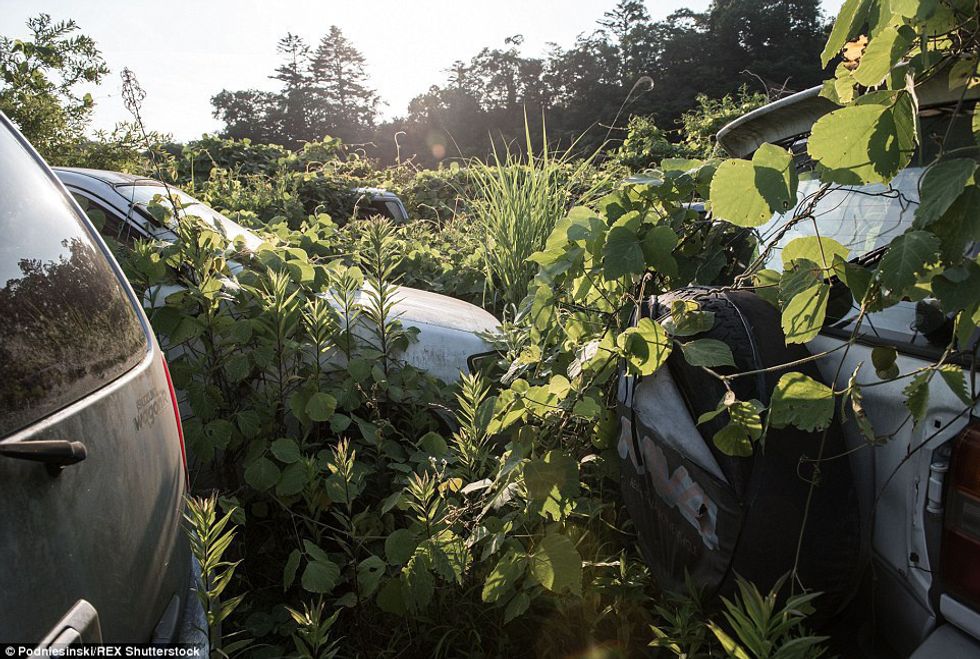
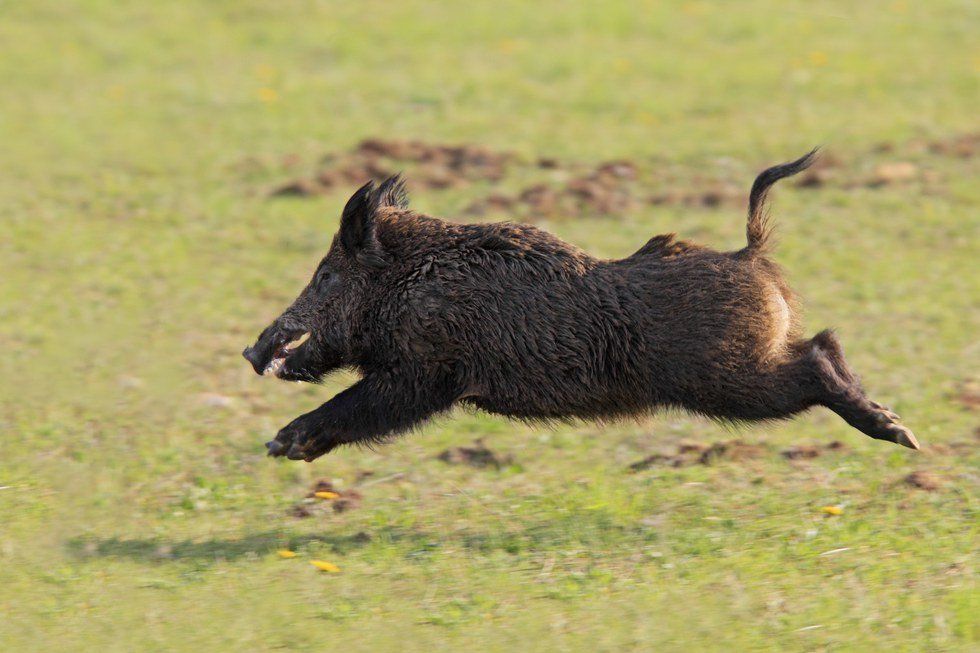
Despite tragedy in the human world and a very eery evacuation zone, the natural flora and fauna seem to be reviving themselves around abandoned cars and homes. So much so that abandoned cats seem to be multiplying and taking over the city. Even more concerning is the fast-growing population of wild boars. Without predators and without human hunting, boars are dominating the abandoned wilderness, and have begun terrorizing populated areas. Normally this wouldn't be a problem, as pork is one of the most widely eaten meats in Japan, but because the pigs were in the evacuation zone, they possess radiation and are unfit for human consumption. This means that in order to control population locals not only have to cull the boar but bury it instead of eating it, utilizing mass graves. Hopefully they won't run out of space as the population will continue to grow.
We do not have the capability to wreck the planet. It will continue to thrive no matter our decisions. However, the perfect temperate climate we so blissfully enjoy is in danger. If we continue our non-sustainable business habits, we will forge a global ecosystem where humans don't fit; we will engineer our own demise.