
On September 20, 2016, Keith Lamont Scott was shot by police in Charlotte, N.C.
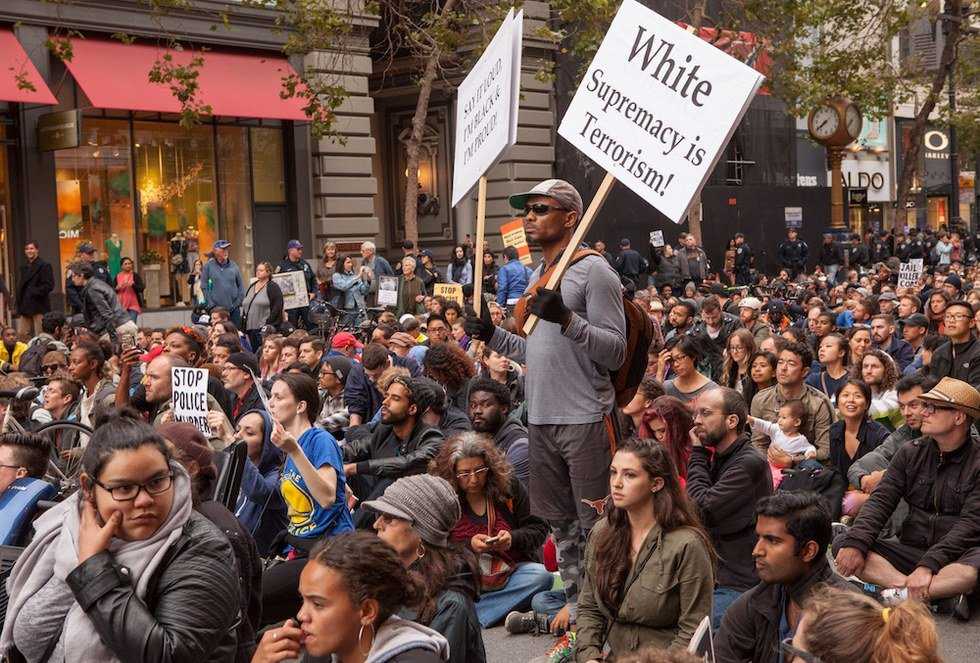
For days afterward, protesters filled the streets of the main district. At first, the protests were peaceful, but soon individuals began breaking into stores and throwing items at police. The mayor announced an official curfew and the governor declared a state of emergency.
Four hundred miles away, I followed the latest news over the Internet, watching events play out in my hometown. Even from a distance, chaos reigned as individuals spewed their differing opinions over social media. Was Scott holding a gun or a book when he was shot? Was the policeman that shot him doing so in self-defense or because of racial prejudice?
This was not the city I knew and loved. The Charlotte I remembered was vibrant, attractive, and proud of its many accomplishments, calling itself the ‘Queen City.’ A trip to the city center is ‘Uptown,’ not ‘Downtown.’ It is Southern but not Republican; large but not overwhelming. Gorgeous green trees line the sidewalks and bankers fill the streets with their clean faces, polished shoes, and words like collateral and adjustable-rate mortgage. During football season, Sunday becomes an unofficial Carolina Panthers Appreciation Day and everyone dresses in blue.
But in the aftermath of the shooting, I found myself questioning my vision of reality. Was everything as orderly and prosperous as it seemed? I was gripped with sadness for everyone involved – the police officers involved in the case, the family and friends of Keith Scott, the protestors, the mayor and other government officials. A place I loved was filled with confusion and here I was, miles from home, unable to do anything but watch.
But there is beauty in the broken places. Although our world is full of strife and abuse, love can come from the most difficult of circumstances.
In April 1994, Rwanda, a small country in East Africa, experienced social chaos on a far greater scale. The Rwandan Genocide lasted for three months. Almost a million individuals were slaughtered as ethnic Hutu extremists slaughtered almost a million individuals, including other Hutus and individuals from the ethnic Tutsi tribe.
In 2005, eleven years after the end of the genocide, an American named Jonathan Golden founded the Land of a Thousand Hills Coffee Company to facilitate reconciliation between the two tribes. The company partners with Rwandan farmers and local leaders to develop coffee fields and produce sustainable and fair income for the local community. This partnership is just one example of Rwanda's recent economic growth and social reconciliation as the government partners with the church and the international community to heal old wounds.
I have hope that God will bring about peace and healing, even through our circumstances. Charlotte was disturbed by the chaos of police shootings and riots, and America struggles with racial and class tension, fear and uncertainty after a turbulent election. Often confused and unsure what to do, I am comforted by the words of the Prophet Micah: “He has told you, O man, what is good; and what does the Lord require of you but to do justice, and to love kindness, and to walk humbly with your God?” (Micah 6:8). May God help us remember the needs of our neighbors and depend on him.