

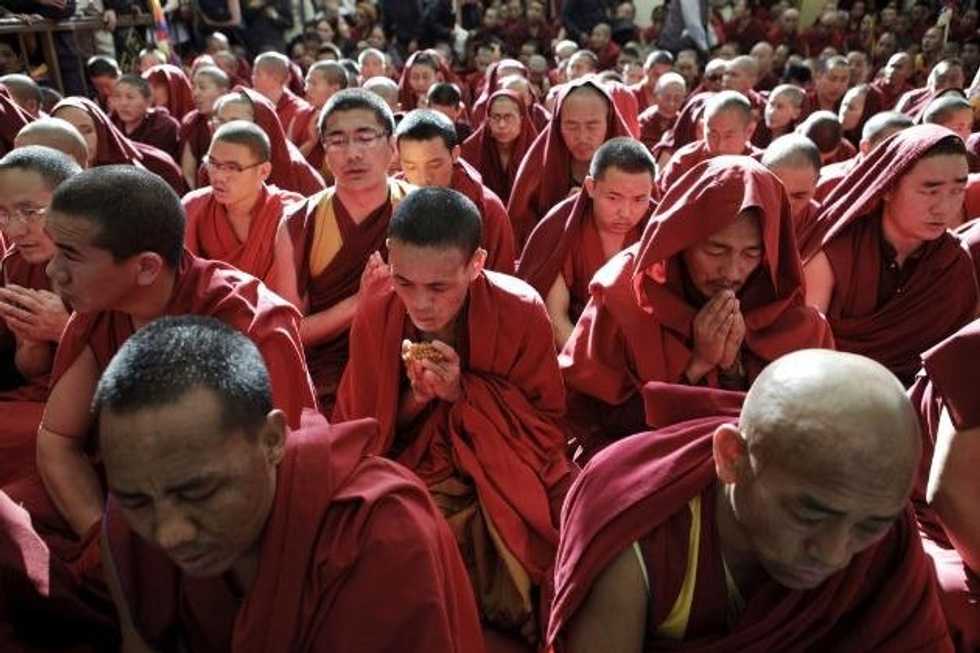
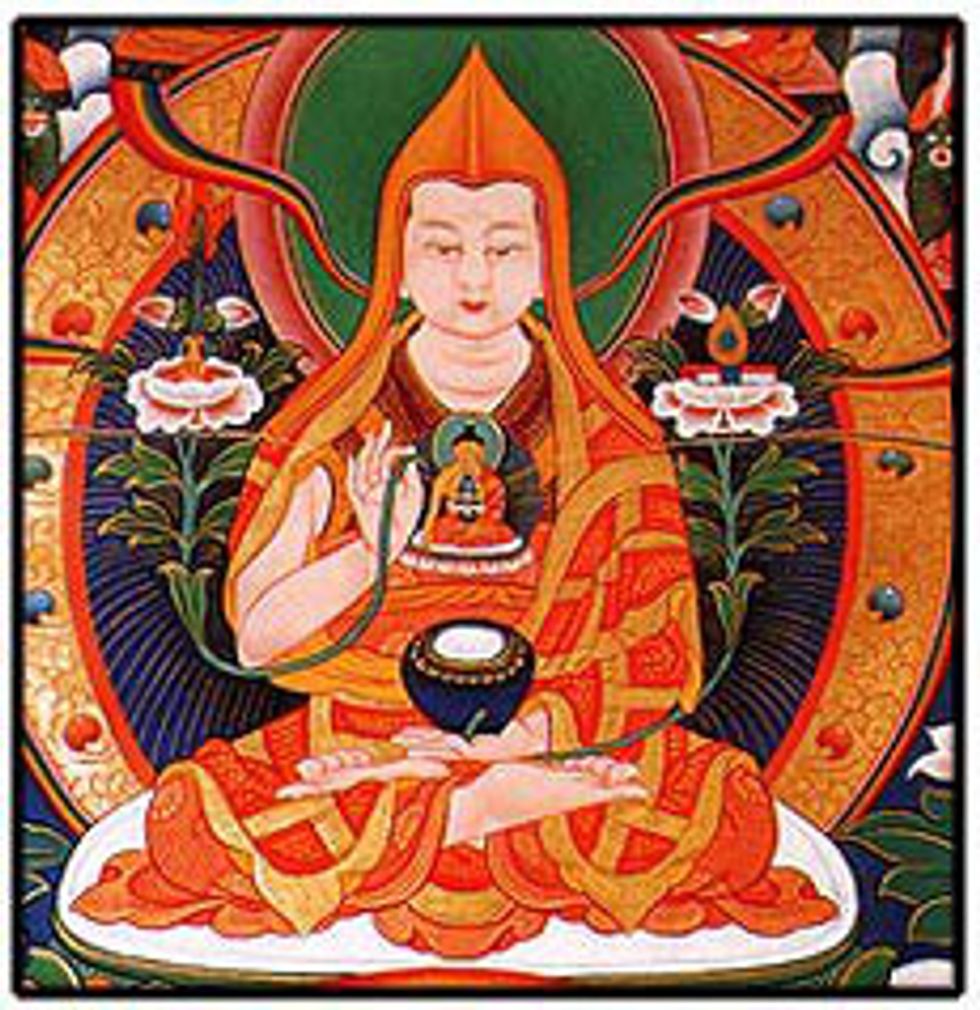
For decades, Tibetans have been living in a sanctioned area called the Tibetan Autonomous Region (TAR) after their country was invaded by the People's Liberation Army of China. After the invasion in 1950, conflict bloomed and classism ensued, deeming the term "ethnic cleansing", which was created by Mao Zedong, China's first communist leader. The secular extremities of the Chinese Communist Party at the time led them to destroy thousands of Buddhist temples, in China some but mostly in Tibet, where the monasteries were the zenith of Tibetan life. After the invasion's condition was exacerbated by the protest of monks and nuns, the People's Liberation Army wished to abduct the highest figure in Tibetan Buddhism, the Dalai Lama, Tenzin Gyatso.
There has been a plenitude of claims that the Chinese Government was taking abhorrent measures to obliterate Tibetan culture and tradition by displacing thousandths of Han Chinese into the area of Tibetan Plateau to coerce a cultural assimilation into the Chinese standard of living. They robbed the traditional Tibetan language and replaced it with Mandarin Chinese, and incentivized secularism through material tactics and compensation.
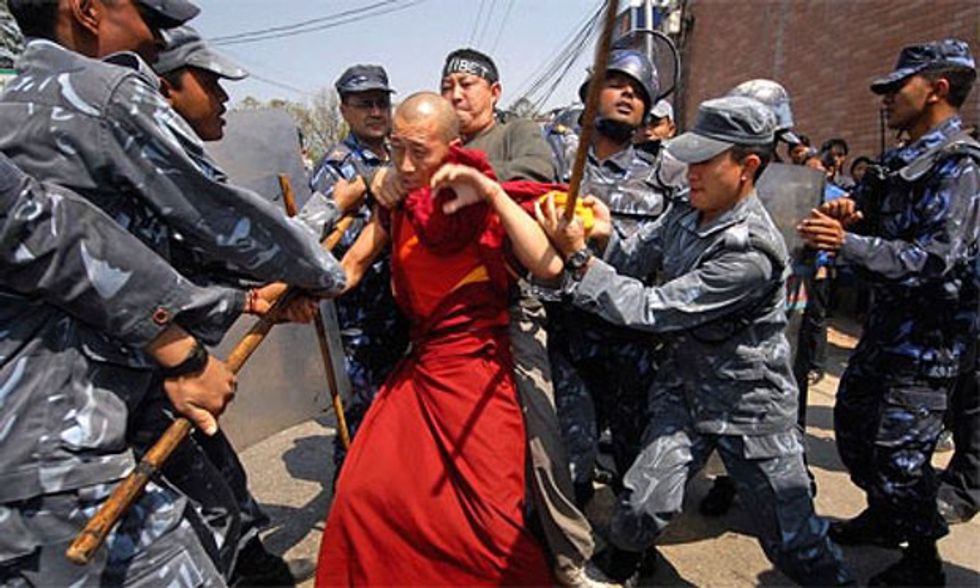
Now the Tibetan government in Exile, located in India, are keen to take back the autonomy of Tibetan life. However, that goal is continuously dismissed by the Chinese Government, who wish not to adhere to the Dalai Lama's demands. The international community, including the U.K. and the U.S., have abandoned their role in ascertaining human rights regulations throughout the modern world in return for better trade deals with the Chinese. What implications does this form of communication have? Can we condone the indifference of cultural genocide by the most powerful and influential nation states?
China recently had an economic stumble and many economists believed that is was due to the excessive amounts of manufacturing costs and the decline in investments. To Tibetans around the world, they appeal to this in favor. I suppose to any marginalized groups of people, this would be crucial in taking back power. However, China's economy will likely never dissipate to the amount that their top tier position in international economy demands and trade will wither away.
The fourteenth Dalai Lama professes a middle way approach for the acquisition of Tibetan culture again. This approach contends that as long as Tibet has internal sovereignty over its domestic affairs and culture, it can relegate international concerns to China. Yet as we have seen throughout China's approach to expanding their dominance past the Tibetan plateau, and Tibet's rivers which provide China water sustenance, it is unlikely that we will see any future negotiations. This is frightening, because after the death of the 14th Dalai Lama, currently 80 years old, what will happen to Tibetan Buddhism?