July marks the month of Pride for the LGBTQ+ community. It's a month where countries and cities around the world celebrate the comfort and happiness in being queer. But where does this tradition of painting our cities with rainbow roads come from?
Pride parades are a way for the queer community to express and show off their comfort with their sexuality all over the world. It's a day, weekend or week filled with laughter, dancing and celebrating. So why exactly do we celebrate pride? It's a pretty unique tradition that gets carried out by just about every major city in the country and attracts millions. Yet, its history is one that isn't quite as known. So here it is: the origin of pride.
The summer of 1969 was an iconic one, especially when it comes to terms of movements towards peace and equality. When most people think of the summer of '69 they think Woodstock, a three day music festival in Bethel, New York to protest the Vietnam war that attracted half a million people. It's an event that goes down in history for making the counterculture and the idea of pacifism in America not only known but taken seriously. Yet just two months earlier an even more important protest took place in the same state.
In the late 60's homosexuality was not only considered a mental illness but it was also punishable by law. This forced people to be closeted for their own protection and good will, being gay was not something you could be proud of due to the fear of being attacked, arrested, or forced into asylums. Yet the desire to be oneself is a lot stronger than the law, so at the time the LGBT+ community would seek refuge in secret mafia owned bars, creating the first gay bars. These were places for people to be comfortable with who they are around their peers without worry of prosecution.
On June 28th, 1969 patrons of the Stonewall Inn in Greenwich Village, New York City were enjoying a night of crossdressing, dancing, and laughing in the secret gay bar when police busted in to raid. Raids were common for gay bars and were often to be expected at one point or another but this raid was different, patrons refused to cooperate with cops, eventually leading to a queen shoving a police officer, and soon a riot began. The large group of transgender men and women, drag queens, and other marginalized subgroups of the LGBT+ community went out in the streets to fight back and barricaded the police into the bar. This drew a huge crowd as hundreds of people came to watch and join in the fight against the police. A black transgender woman named Marsha P. Johnson and a Puerto Rican transgender woman named Silvia Rivera are credited for throwing the first bricks into the Stonewall Inn and starting the riots. Eventually the police were driven out of the neighborhood and the riot stopped.
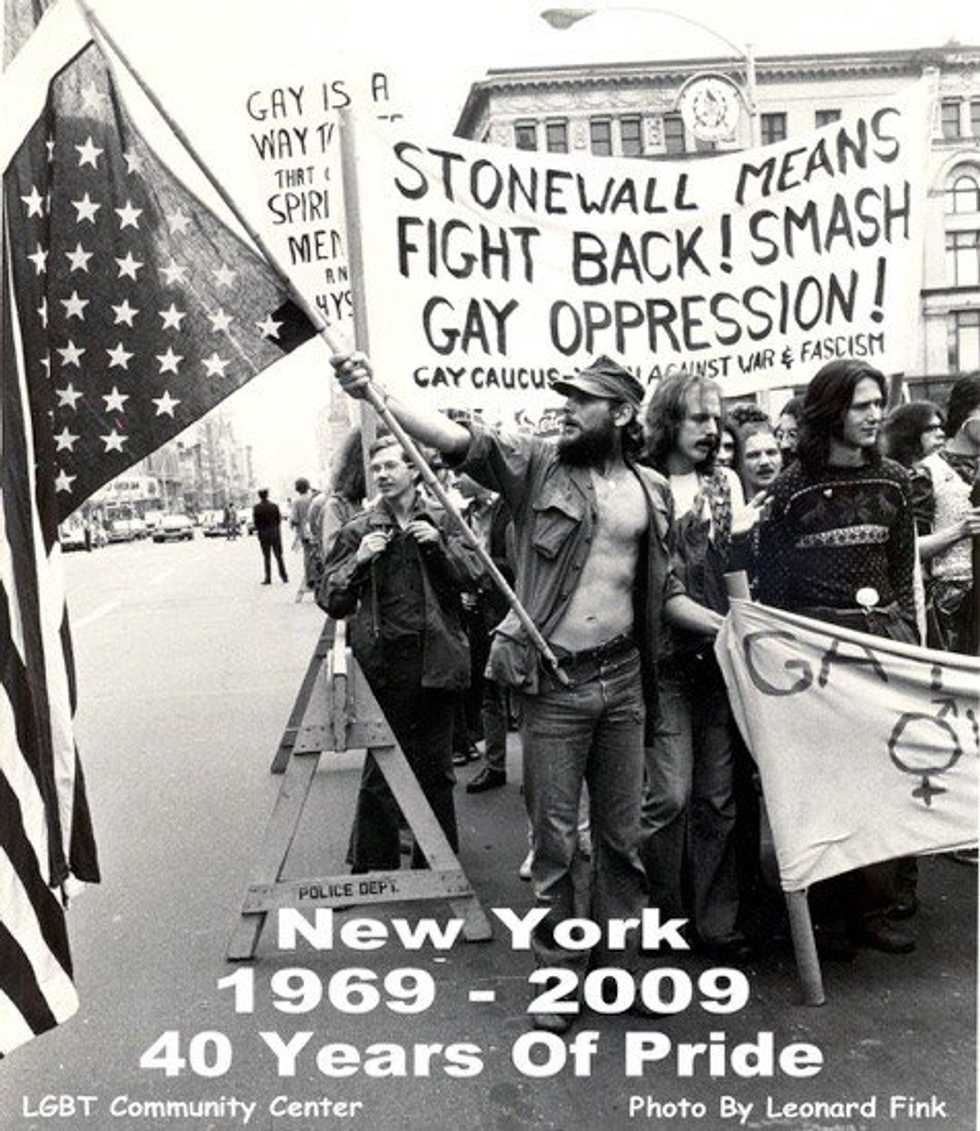
For the next few nights the LGBT+ community took to the streets to continue to riot and be out and proud. For the first time people were able to be themselves in the streets with their peers and be proud. They celebrated who they were without fear. People around the world were inspired by this new happy outlook on something that was normally viewed as a social taboo. A year later on the anniversary of the riots LGBT+ people from all over marched from Stonewall to Central Park to show off who they were to all of New York City. This was our first parade. The tradition spread like wildfire all over the globe and is still celebrated all throughout the month of June around the world.
Almost a decade later it was decided that pride needed a symbol, something that would broadcast our community’s positivity and vibrance. The idea of the rainbow was created by Gilbert Baker, inspired by Judy Garland's “Somewhere Over the Rainbow,” an anthem of the gay rights movement due to Judy being one of the most well-known members of the lesbian community. He assigned each color of the rainbow a meaning, hot pink for sex, red for life, orange for healing, yellow for sun, green for serenity with nature, turquoise for art, indigo for harmony, and violet for spirit. It made its first appearance at the Gay Freedom Day in San Francisco in 1978. Since then the flag has been cut down to six colors instead of eight but the message still holds and can be seen at pride events, and LGBTQ+ friendly shops and homes all over the country.
So this month if you choose to celebrate pride (which I recommend everyone does) think back to why we have our parades the way we do. Thank the incredible queens and others who made it possible for us to be proud of our orientation. Most importantly celebrate and be proud for the millions of our brothers and sisters who couldn't out of fear for their lives. I consider it such a blessing to be apart of the LGBTQ+ community, never will you be able to find such a welcoming and warming place to call home. Everyone in this community has had to struggle with who we are, when you're not proud it can be very easy to fall into a dark place. Remember: love yourself, love your neighbors, and be proud as all hell.