


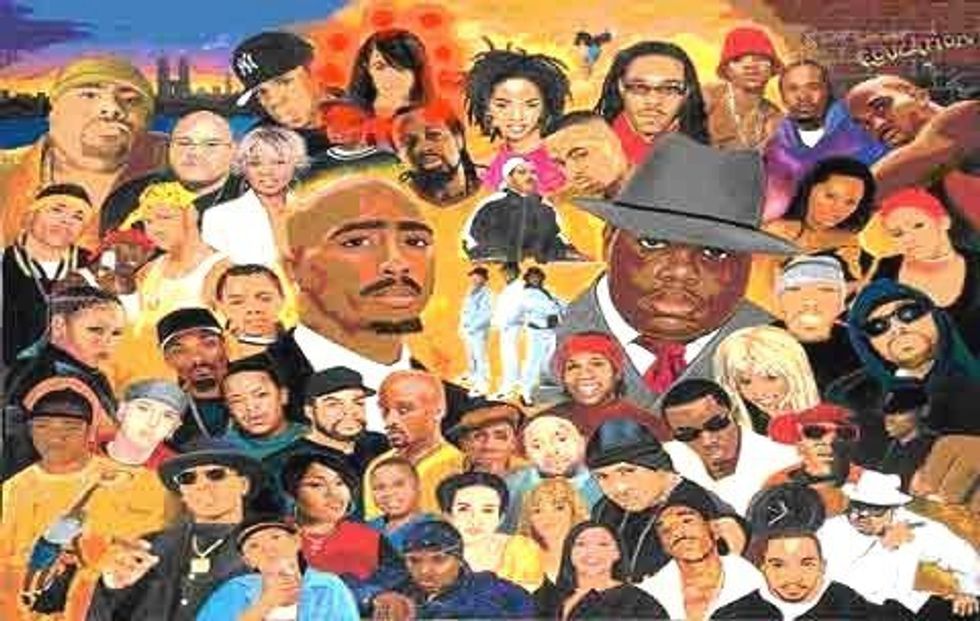
Since the beginnings of hip-hop, there have always been deep divisions in the industry based on geographical location. Who has the right to claim the throne of the hip-hop industry: East Coast, West Coast, or the Dirty South? Each geographical region has contributed to numerous sub-genres and its own distinct vibe to go along with it. The most distinct differences we often see are rhythm and flow. However, tempo, instruments, cultural beliefs, and lyrics play a significant role in contributing to the differences amongst the different regions.

The East Coast is the birthplace of rap, and New York is the heart and soul of rap. New York is responsible for numerous MCs and even the first MCs (appearing in the Bronx and Harlem). These MCs quickly gained the respect for their quick wit, metaphors, and wordplay. Provoking lyrics were written to entertain the audience and were also socially and politically motivated. In 1979, The Sugarhill Gang’s “Rapper's Delight” and The Fatback Band’s “King Tim III (Personality Jock)” were released as the first rap recordings. In the '80s, Afrika Bambaataa introduced a series of genre-defining electro tracks that influenced the development of hip-hop culture.
Also during this time, the industry was introduced to the group Whodini; they are known for cultivating high-profile national following for hip-hop music while making huge breakthroughs through urban radio. The scene continued to develop throughout the '80s as industry godfathers, such as Run-DMC and LL Cool J, succeeded in capturing the audience of hip hop with their free-flowing delivery, multi-syllabic rhymes, and personal attacks on other rappers. Fresh faces in the '90s, such as Puffy and Biggie, began rap wars with the rising of the West Coast industry. After the death of Biggie, the aggressive approach, commonly referred to as "gangsta rap," was reigned in; hit songs were now heavily sampling Jazz and upbeat tempo club tracks for production.

In the summer of 1988, NWA released "Straight Outta Compton" under Ruthless Records, which quickly hit platinum status without radio support, although their group heavily utilized profanity, violent lyrics and threats against Los Angeles Police Department (catching a considerable amount of media attention). During the '90, West Coast rap was dominating airwaves with rolling bass lines, synthesizers, and drum beats. G-funk became the most popular sound, but low-rider and freestyle were no longer underground sounds; they had, instead, become mainstream. NWA gave us hard-hitting lyrics with references to police brutality, drugs, racial profiling, and gang banging. However, Tupac's "California Love," Snoop Dogg's "Gin and Juice," and Dr.Dre's "Nuthin' but a G Thang" were all songs made for a time to enjoy life.
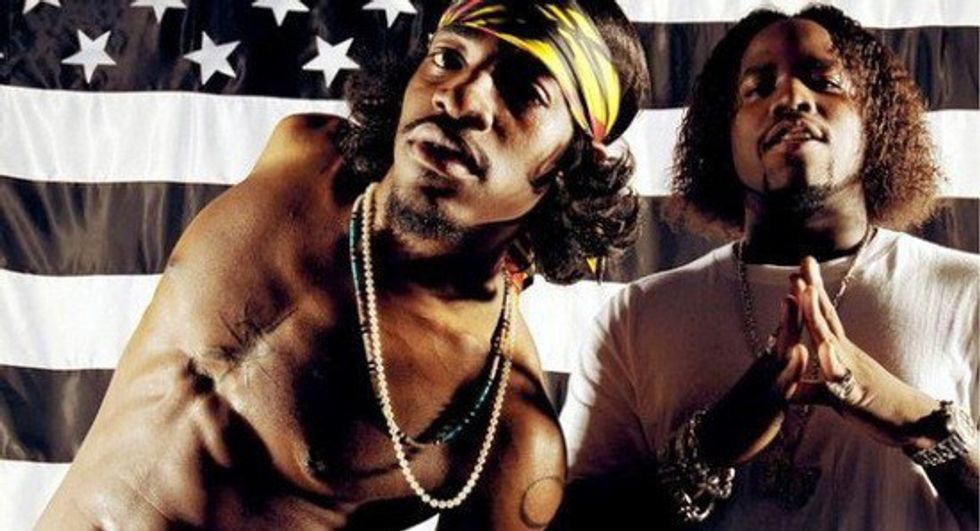
Southern MCs in Atlanta, Memphis, New Orleans, and Miami quietly began creating their own unique style known as the Dirty South as the development of the East and West Coast rap continued. The hip-hop world was then introduced to the unique duo Outkast, and hot new rapper, Masta P. Southern lyrical drawls emphasized the highlights of racism and oppression with party beats that relied on horns and snare rolls. The rise of crunk is also accredited in the south; it features high energy choruses that use repetitive call and response as lyrics mixed with the use of club-oriented beats. Producer Lil Jon is often given credit for originating the era of crunk. Crunk often features heavy beats and growling lyrics that give an aggressive quality, which matched the hard-hitting dance moves.
As long as hip-hop is around, the same question will pop up: the East Coast, the West Coast, or the Dirty South? The debate has contributed to producing some of the best artists in the industry and continues to do so. Some may even go on to say the bickering of different styles of rap is absurd, but it has shaped many of the communities across America. Whether it be the East Coast, West Coast, or the Dirty South hip-hop has and always will be a contributing force to the century we live in today.
















