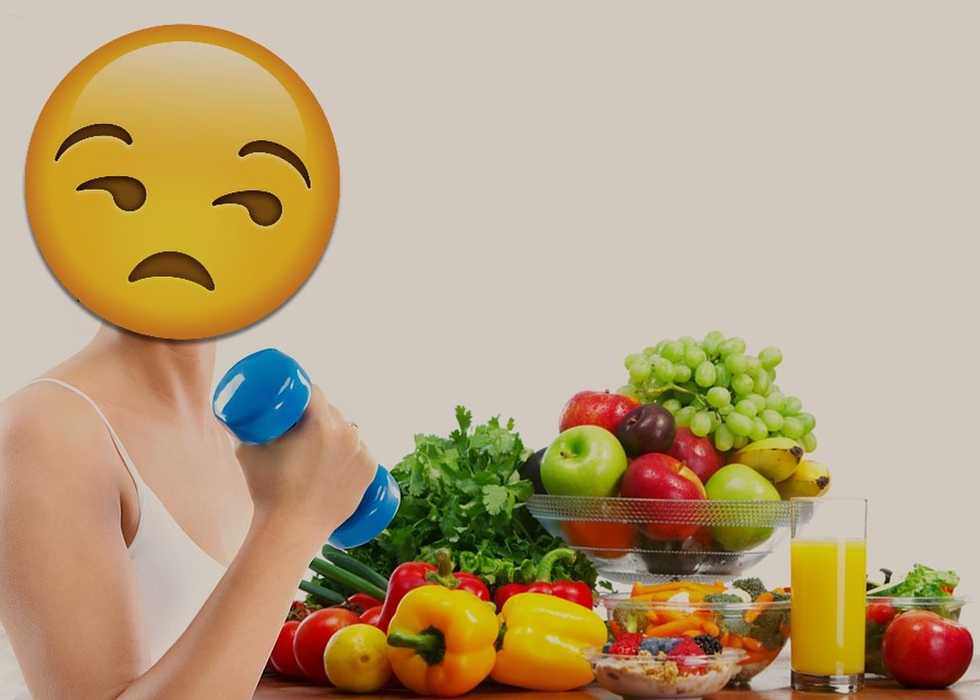
I'll be honest: I'm never going to enjoy being healthy. I don't have the personality for it. I will never feel comfortable in the gym, or spontaneously desire to exercise. My love for a great diversity of carbs is committed and unrepentant. I like my food warm, filling and flavorful; salads just don't live up to that.
While I try to create habits for a healthy lifestyle, I never seem to stop feeling disappointed by these efforts. I don't enjoy the way I feel when my thoughts are focused on my fitness: even with the best intentions, my inner health coach quickly becomes critical and creates greater anxiety than it reduces. My strongest attempts to "get healthy" usually turn food into a source of guilt and cast a shadow over every non-active part of my day. In all honesty, I don't value physical fitness enough to let that go on very long. I would rather be at peace with my body than become a slave to it.
So why am I writing an article about health, if I don't care? Let me clarify: I do care about being healthy. I just see healthiness as a means, not an end. I've learned to see health and fitness as tools to use so I can have a full and enjoyable life. That means finding a balance between complete disregard for health, and complete focus on it. Here are some ways I've tried to take my normal, comfortable life and make it a little more healthy.
1. Don't pursue health out of guilt.

I have gone through fitness phases multiple times in my life, and was usually motivated by insecurity or dislike of my body. With this mindset, I could never really be healthy: even if I lost weight or gained muscle tone, my thoughts would always corrupt this progress. It's also a losing battle: unless you are a miracle of humanity, there will be a time when your body will refuse to conform to your standards of fitness. Age and life experience add lumps and bumps.
The goal, then, of a truly healthy lifestyle is to match your goals and values to the way you eat and exercise. Even though I've thought more about health this year, I've tried to make it less about losing weight and more about how I can feel better on a daily basis.
2. Be realistic about what healthy foods you'll eat.
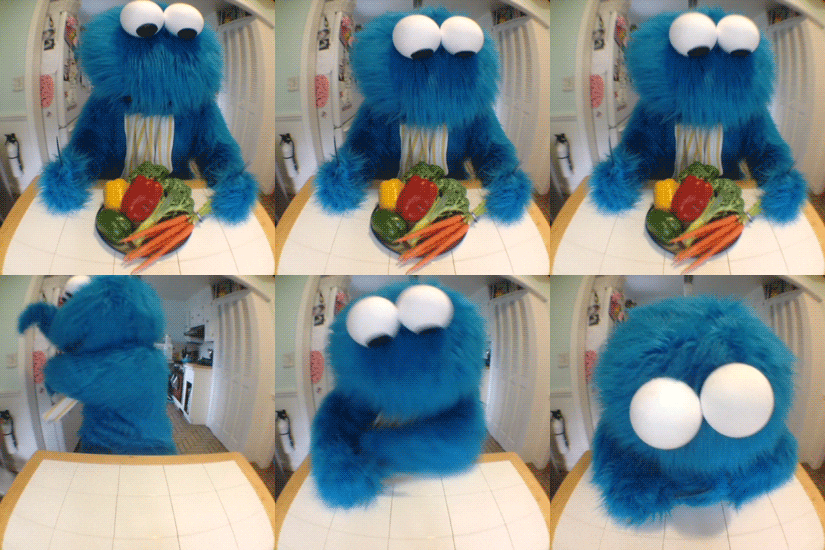
I made the mistake early in my health journey of buying vegetables based on the "good for you" principle, and erroneously believed that if I only bought healthy food, I could force myself into eating it. In reality, I would ignore the vegetables I didn't like until they went bad, and manage to survive on peanut butter and bread because that was the only food available I wanted to eat. Not only is that wasteful and expensive; you can't force yourself into a complete diet revolution in a week. This year, I've been adjusting my diet slowly, introducing new, healthy foods slowly, and not at the sacrifice of other foods I enjoy. Not only has this produced more lasting change; I've also found it fun to experiment with new foods and ways of cooking.
I learned this year that a lot of vegetables taste better to me baked. I've even gotten to the point where I *gasp* crave certain veggies. my go-to's are brussels sprouts and carrots: both of which are delicious baked with olive oil and spices (I used salt/pepper for the sprouts and paprika/chili powder for the carrots). It takes me about 15-20 minutes to make a full bowl of veggies this way, and they are incredibly warm and satisfying. I've also learned that certain cold veggies, such as spinach and tomatoes, can become tasty and refreshing with a little balsamic vinegar. As long as I have enough veggies I like, I don't have to force broccoli or mushrooms on myself - nor do I have to go through "diet shock" in an attempt to fix my eating habits.
3. Don't (always) reduce food; replace it.

Okay, let me start off by acknowledging that reducing portion sizes is a huge part of being healthier - especially in America where portion sizes are crazy. BUT our bodies also need fuel. From my experience, over-limiting my food intake actually increases my likelihood of eating unhealthily later. When I'm really hungry, I tend to crave fatty, carb-loaded foods. Of course, I always enjoy these foods - but my willpower to resist that craving goes way down when I'm starving.
By eating more frequently, I can stop my hunger from justifying a bad food choice (Bruin Den tater tots, I'm lookin' at you). Replacing my usual snack foods with healthier alternatives makes 24/7 snacking more reasonable. For example, I've found that cinnamon-flavored rice cakes satisfy my sweet tooth and have great crunch; I will buy these to eat on my way to class, or at night when I'd really enjoy a bowl of ice cream. My husband and got a huge bag of brown rice at Costco, and cook big batches of it so we can heat it up for lunch - and its way more filling than white rice. Like I mentioned above, baked carrots are amazingly delicious, and can replace starchy potatoes. For me, healthy eating is a process of slowly finding good substitutes for foods I loved based on taste, texture, and temperature.
4. Connect exercise to something else you enjoy.

I may never understand the "joy" of exercising, but I have no problem exerting energy when doing something I enjoy. For me, exercise is like celery: I can tolerate it as long as there's peanut butter. If you see me at the gym, it will be with a book or Netflix playing on my phone. My friend Lizzy and I go aqua-jogging together weekly, and having her to talk to really helps the time fly by. It may not be the most intense workout ever, but if there's one thing I've learned about health its that any effort counts; even a daily walk can make a difference.
5. Keep your own goals in perspective.

People have so many different reasons for pursuing health and fitness, and even different ideas of what that looks like. Some people really enjoy working out to gain muscle and endurance; others just want their bodies to feel clean and healthy. That is why comparison is unfair: the people we compare ourselves to may have completely different goals, motivations, and sources of satisfaction. I used to think I could never achieve fitness, because I was comparing myself to people who had completely different values and goals than me.
It can be hard to establish health goals without relying on other people, but it isn't impossible: think about what kind of activities you want to be able to do, and what things in life bring you satisfaction. One of my primary health goals is to reduce the muscle and head aches associated with student life (long hours of sitting, bad posture, etc.). To meet this goal, I am trying to stretch daily, take more walks and eat a more balanced diet that will boost my vitamin intake. None of those things require hours in the gym or a grapefruit diet. This goal may seem fairly basic, but if there's anything this unhealthy person has learned about fitness, it's that small steps are still progress.
So, what are your health goals? They might be more ambitious than mine - and that's great! Fitness may be a strong motivator for you. Or, you may be more like me, and depend on other motivations to encourage healthy habits. Wherever you fall, don't let self-criticism or guilt rule your relationship with fitness. Remember, a healthy lifestyle needs to be healthy mentally and physically.