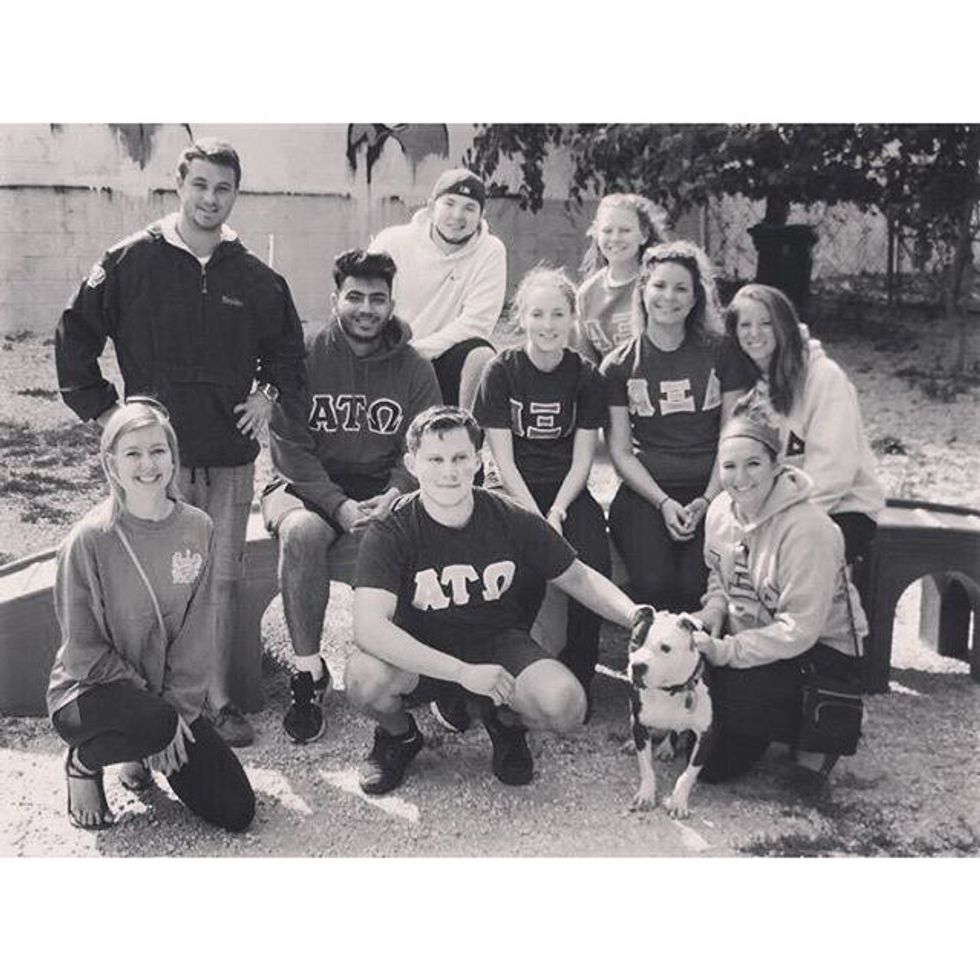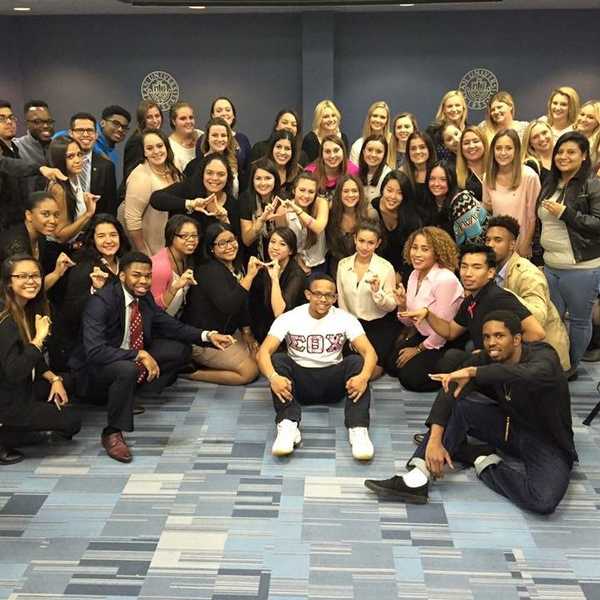
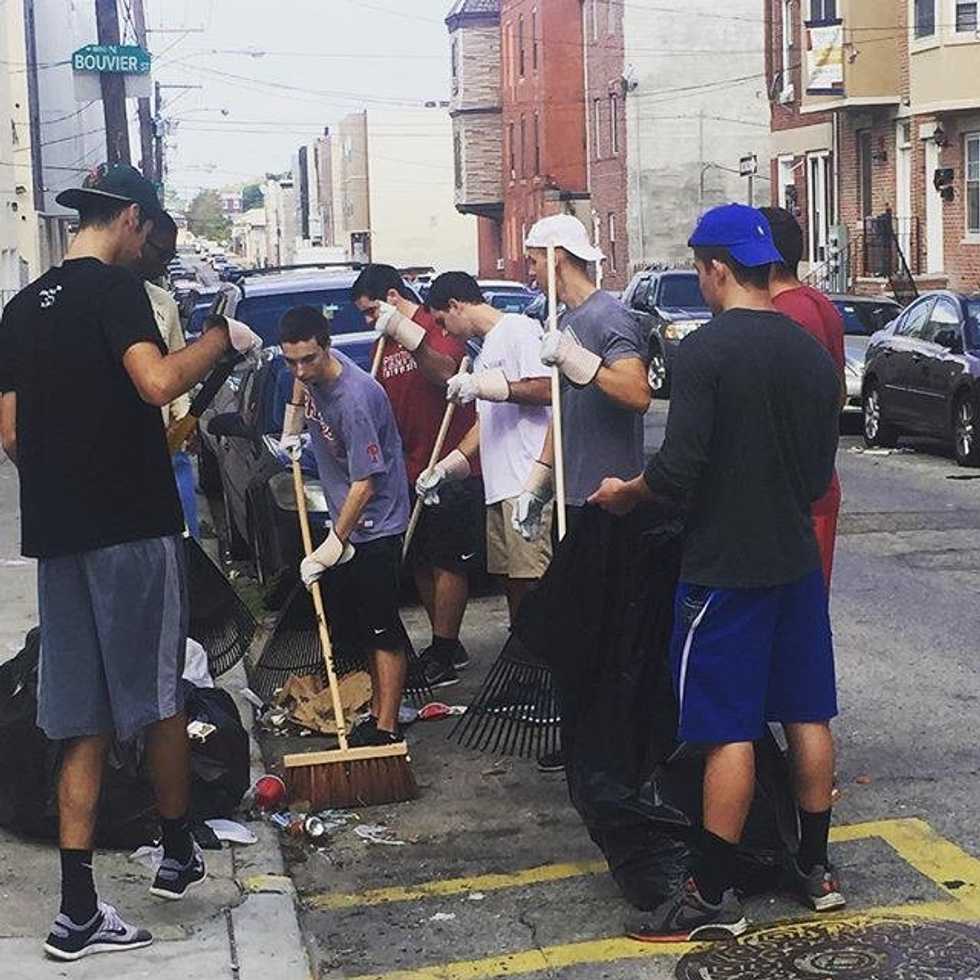

Hazing: a topic that fills college media and surrounds Greek life around the nation at every turn. But when reporters write stories on hazing, they're not writing about how hazing is an issue; they're writing about how fraternities are an issue. Having the majority of my friends in Greek life, these stories do two things: they instill fear and hate within the non-Greek community and they label all Greeks as being cruel members of society, unable to do anything remotely good to the community. What many people don't know is that Greek life is not about hazing, and it never has been. But if you think this article is going to contribute more to negative, generalized, and biased media, you are very, very mistaken.
I was a freshman when I decided to invest my life and soul into Greek Life. I was a scared, shy freshman, who lived every day in the same routine. I was content with the same; I was content with boring. Like most freshmen, we stumbled upon something so awesome, there are movies written about it. And when I decided to commit to Greek life, I changed as a person. I didn't become different, though, I became better. A better version of myself. I gave up the person I was trying to be for the person I truly was. And just as I did this, I've come to find that everyone else has done this, too.
When hazing stories come out in the media, we get pegged as incompetent members of society. We all get pegged as incompetent members of society, when in reality, the majority of us have never done anything related or associated with what those stories report. When this happens, attention flees from our accomplishments in the community, our philanthropies, our ideals, and our reputations. But as people get to know Greek life and what it's truly about, most come to find that Greek life is not at all how it is portrayed in the news. Assuming makes an a$$ out of you and me.
Stories like Huffington Post's "8 Stories of Fraternities Doing Awesome, Selfless Things and Helping Others" don't ever make national news. In fact, I had to Google "fraternity philanthropy stories" to even find this. Instead, how many times have we seen national news portray Greek life like they just walked off the set of "Neighbors?" I find myself arguing with naysayers saying, "Really! They're good guys!" before getting dismissed for me saying that "because I'm already in Greek life." The bottom line is that at the end of the day, I'm still a woman and a human being with pretty good common sense and almost four years of undergrad education under my belt. Regardless of being in Greek life, if I thought the men I was surrounding myself with were bad people, I wouldn't be writing this.
Now, I'm not saying every fraternity man has made impeccable decisions, much like I wouldn't say all Americans have made impeccable decisions. However, bad eggs should not determine a generalization. In America, we learn that generalizations of a population shouldn't be based on few, very terrible, situations. Yet, with fraternities, it's OK.
I have heard numerous people call fraternities "rapists." One thing that gets under my skin more than people talking over me when I'm speaking, is people calling men in fraternities "rapists." Rape is undoubtedly terrible and horrific, and as a woman, no part of my being will ever be able to understand why human beings do this to other human beings. Yes, there are rape cases involving members in fraternities, much like there are rape cases involving student athletes and martial couples, that are equally terrible and horrific. But, accusing someone or an organization of rape when they did not commit rape is a crime under the eyes of the law, yet, when society makes these accusations against fraternity members, it's completely acceptable -- so acceptable, that there are articles written about it.
When these labels circle around fraternities, people are instantly drawn in, which is half the reason why people pay attention to these stories more than the really amazing ones. The title of this article? Probably drew you in to click on it, right? And about three paragraphs ago, probably told yourself "oh God, I'm reading about how good fraternities are." But you and I both know that I'm right in what I say in this article. If you disagree, you may have your own personal situations that hit close to home, but one man does not make all.
The good, it's never on a pedestal in the media, even away from stories about Greek life. The real and true representation of Greek life is hardly ever brought to the surface. But today, I do this article for them in the hope that this representation of Greek life will catch fire someday.
I interviewed four men from Temple University, all in different, nationally recognized fraternities, who give different insights into what they think about these stereotypes: Justin Diaz, brother of Sigma Alpha Mu, national philanthropy of the Alzheimer's Association; Cole Audesirk, brother of Alpha Kappa Lambda, national philanthropy of "These Hands Don't Hurt" and local Philadelphia women's shelters; Tennyson Coleman, brother of Kappa Sigma and Temple's Interfraternity Council President, national philanthropy for Military Heroes; and Marco Prado, brother of Alpha Tau Omega, philanthropy of Women Organized Against Rape.
Q: What are your reactions to the incidents of hazing in the United States in past year?
Diaz: "It's extremely unfortunate to see hazing issues in the Greek community. We're supposed to build people up in our organizations, not break them down. I believe the issue is limited to a very small percentage of fraternities and sororities, but the media will of course cover the negative stories any chance they get."
Audesirk: "It's really a mixed bag of emotions [for me] when it comes to the hazing incidents that have become public in the U.S. There have been occasions in which national-related traditions are apprehended by school authorities, which makes actives cringe. There is also the story that comes out every six or eight months that one bad egg goes overboard and seriously injures a new member."
Coleman: "Hazing is a real issue not just for fraternities but many student groups; however it is something that has become synonymous with Fraternities in the media."
Prado: "It's unfortunate to hear that hazing incidents nowadays are being reflected negatively towards fraternities and/or Greek life as a whole. It saddens me to find out that these institutions and Greek organizations feel the need to engage in these sort of activities in order to initiate their new members."
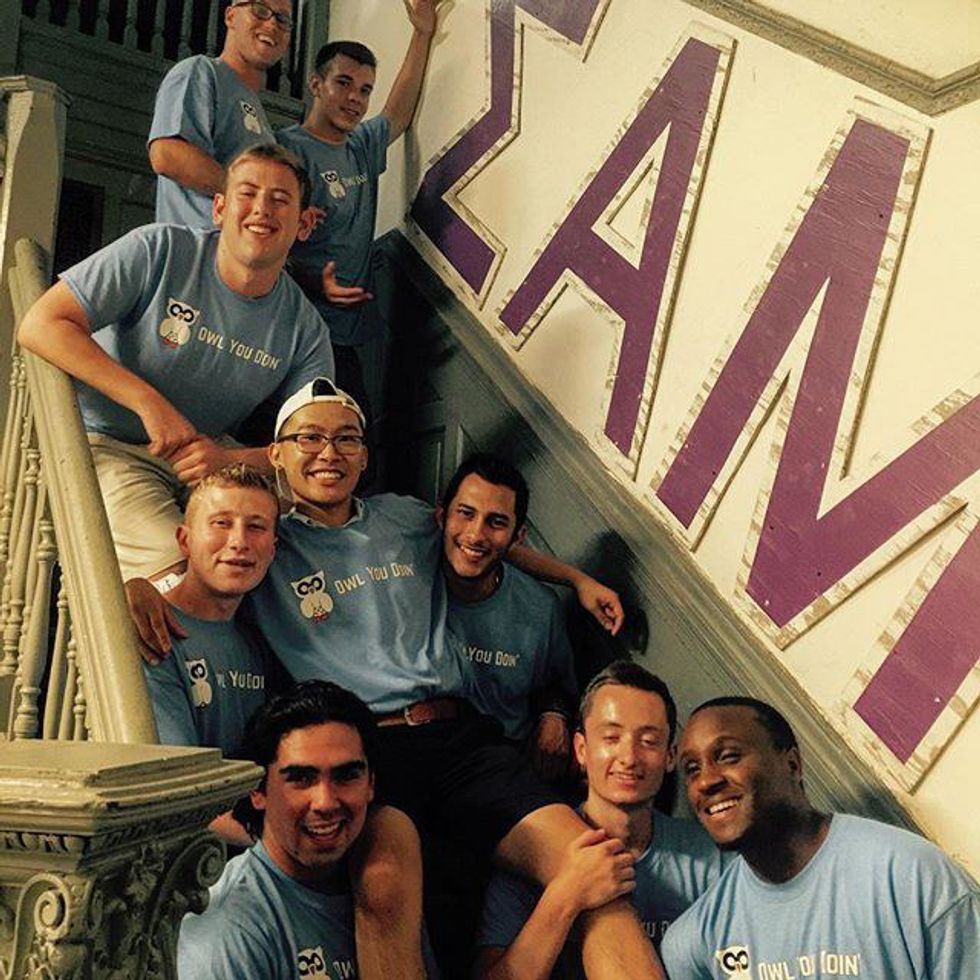
Q: How can we make sure fraternities are presented in the best light?
Diaz: "I think the most important thing Greeks can do is not concern themselves with what the media wants to report; perceptions are different from reality and as long as we provide a fulfilling experience to our members, and we do as best we can to promote the good in Greek life through our actions, that's all that we can control."
Audesirk: "It's hard to present ourselves in a positive light when there are a few chapters within different organizations that commit a major crime. The best way to gain positive PR is following the golden rule to everyone around you."
Coleman: "We can buck this trend and make sure Greek life is being presented in the right light, by doing just that, continuing to present ourselves in the best manner possible. For we know that the actions of a few foolish are not the actions of the many just."
Prado: "I believe that we can present ourselves in the best light possible by becoming aware of these issues around us and understanding that we should not be following in those footsteps, instead we should engage in more community service events, become more involved with the community, and having the media exhibit these positive deeds to our society. I feel as though fraternities establish a bad reputation for themselves from the exposure by the media, which to me is disappointing because this sets a preconceived notion that deviates away from what our mission really is. Our mission being to establish a brotherhood that is willing to contribute to society to make the world a healthier and better place by the end of the day, while at the same time holding true to our values and morals."
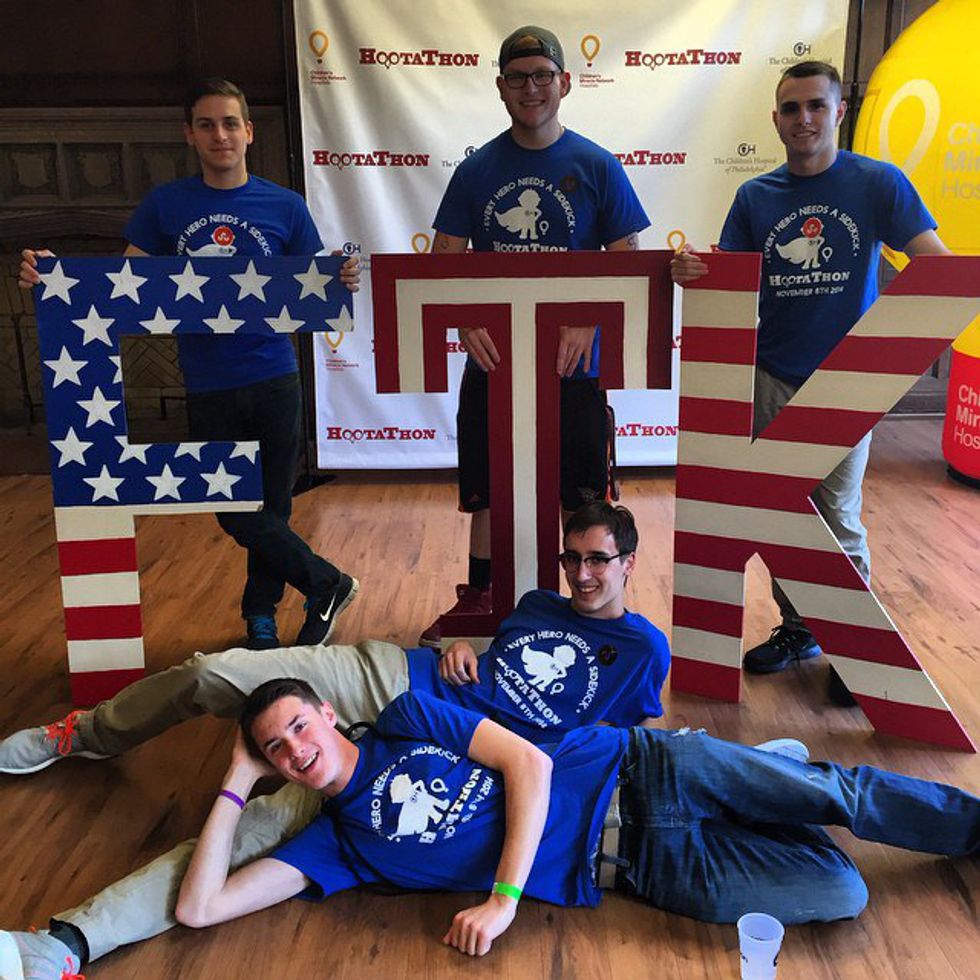
Q: Hazing issues have come up, but what are some issues that should be presented instead?
Diaz: "Beyond just hazing, the perception that our organizations are glorified drinking clubs bothers me, but again all we can do is prove that perception wrong by being upstanding men and women of character."
Coleman: "Hazing comes in many forms and I think the more education there is the better."
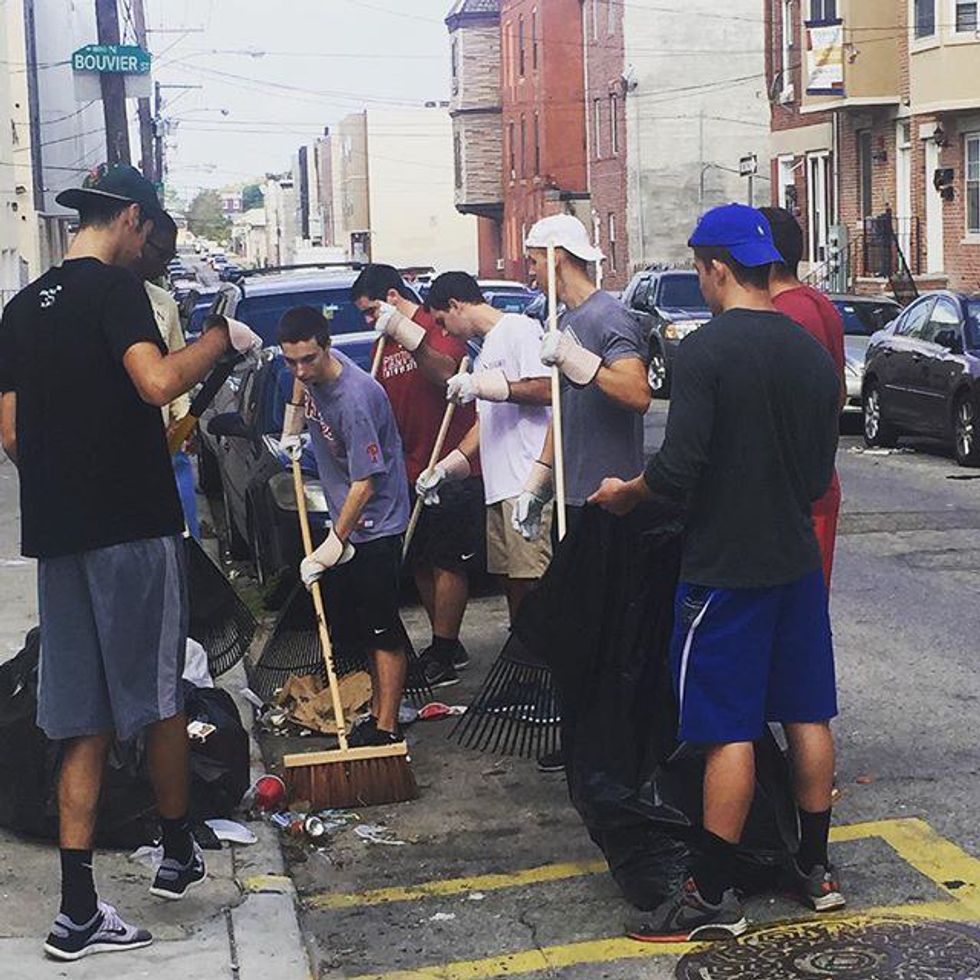
Q: What are your brotherhood ideals, missions, and philanthropy?
Diaz: "Sammy's ideals are simple; we want to provide a family away from home for our brothers, and make the community around us a better place. We know the good we do, and whether or not the media wants to report on it won't affect our devotion to being positive members of both the Temple and North Philly communities."
Audesirk: "Our five ideals are Judeo-Christian Principles, Leadership, Scholarship, Loyalty, and Self-Support. All of those tie into following the golden rule, in my opinion; treat others how you would want to be treated."
Coleman: "Our Philanthropic endeavors mainly benefit Military Heroes. Our tenets are based on Diligence and Commitment and that is exemplified by those who serve to protect us all. Our Pillars are Fellowship, Scholarship, Leadership, and Service."
Prado: "At Alpha Tau Omega we pride ourselves in helping our brothers develop into more refined men, by providing them with leadership roles. Our philanthropy event is Woman Organized Against Rape which helps to combat the troubling acceptance that our culture has towards rape. By taking a stand, we hope to show the world that fraternities are just as equally capable of understanding what is expected of a good person."