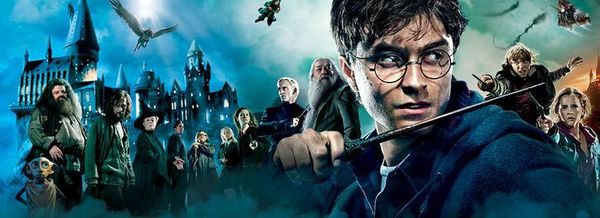
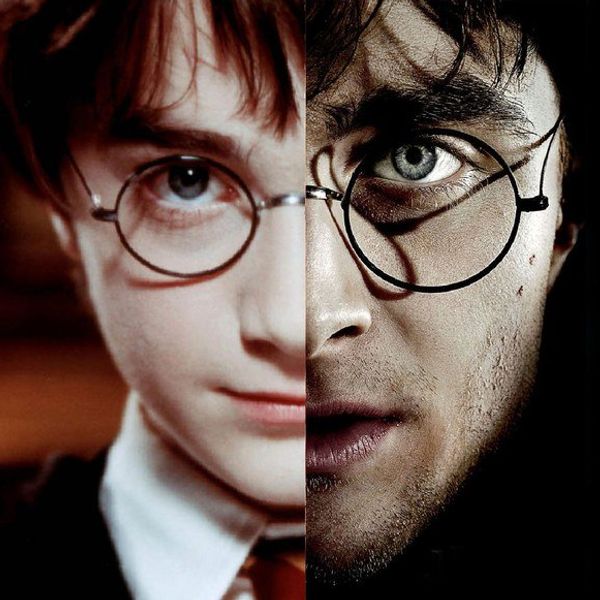
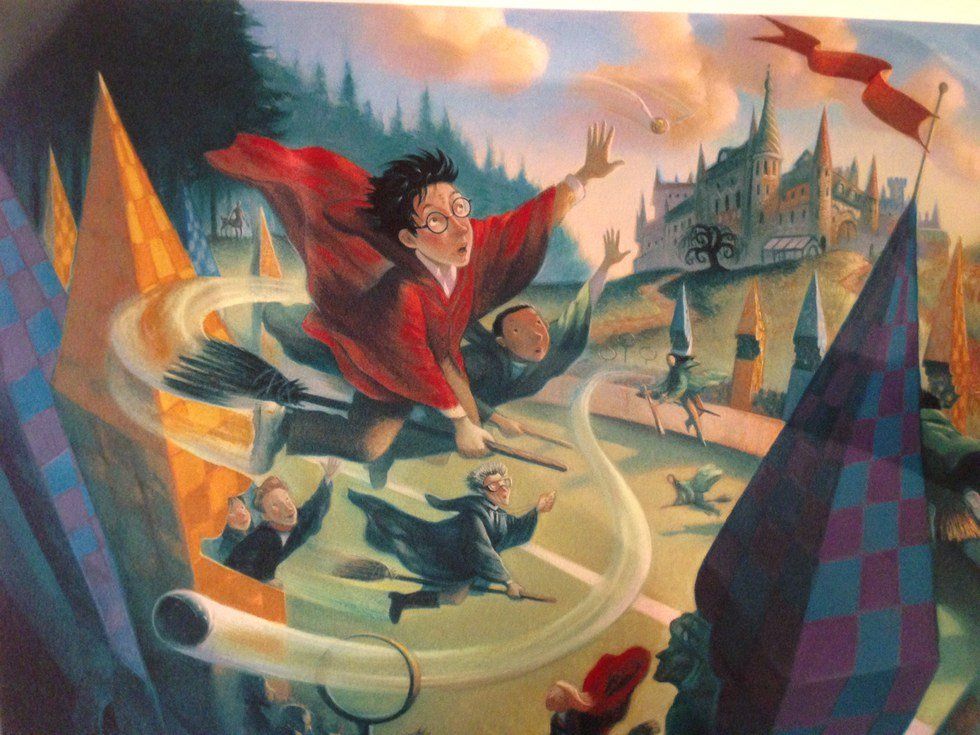
Harry Potter, the boy who lived, celebrated turning thirty-five on July 31st. His birthday was accompanied by the release of the play “The Cursed Child” co-written by J.K. Rowling, Jack Thorne, and John Tiffany which prompted a resurgence of love for the acclaimed book series. The eighth and final (so she says) installment of the Harry Potter series has been met with some criticism by fans. Spoilers released in early July followed by the script being leaked online (for free) created a sense of shock and horror at how much has changed for the Golden Trio since the conclusion of The Deathly Hallows.
We should not focus on what was wrong with the play, if you want to do that, read it for yourself. Instead we should appreciate just how much J.K. Rowling’s works have changed our lives – and I think you would agree with me that Harry Potter changed your life. How many other books reached such international acclaim? Even if you have never read one of the books, or only seen one and a half of the movies, Harry Potter has had an impact on who you are.
I am one of those children that grew up on the books. The Sorcerer’s Stone was released shortly after I was born. Harry Potter was my bedtime story. With every book, Harry got a little older and so did I. As I developed the idea that there was cruelty in the world, so did Harry. When Cedric Diggory died, it marked a turning point for me. It was one thing to hear about the atrocities that Voldemort committed. It was another thing to have a character that was selfless and brave be shot down. Harry Potter introduced me to the idea that the good die young and for no reason other than someone else’s wants.
There are many lessons to be taken from the book series, many of which Rowling stated in her talks, others discovered by fans. The dementors and the patronus charm were metaphors for depression and overcoming those dark feelings with a single happy thought. Remus Lupin and the ostracism he received for being a werewolf was representative of the AIDS epidemic. The thestrals taught us that even though something might be dark and scary looking, it doesn’t mean that it wants to hurt you. I could go on.
The characters themselves were examples of what to look up to. Each was given a flaw, one that they worked hard to overcome. But in my mind one of the biggest take-aways was Harry’s ability to forgive. Harry, a child of abuse who never had anything to call his own until he turned eleven, sympathized with his foil Draco Malfoy, Professor Snape, and even the man who killed his parents. He saw kindness in a world that did nothing but harm him. He didn’t have to trust them, but he took the time to understand his enemies and in doing so it gave him the power to defeat them.
So to return to the new material, the reason that “The Cursed Child” is getting such poor reactions from the readers is because these themes are not present. Harry, Ron, Hermione, and even Draco were given such wonderful character development that allowed the reader to believe the future would be better because these kids would not make the same mistakes as the adults in their life. We were lead to believe that maybe something could go right for once in the wizarding world, but “The Cursed Child” is just a repeat of the bigotry and mistrust that haunted Harry Potter’s childhood. Not only that, but Harry himself is the one carrying out the misdeeds. That isn’t something we want our kids to read, is it?