

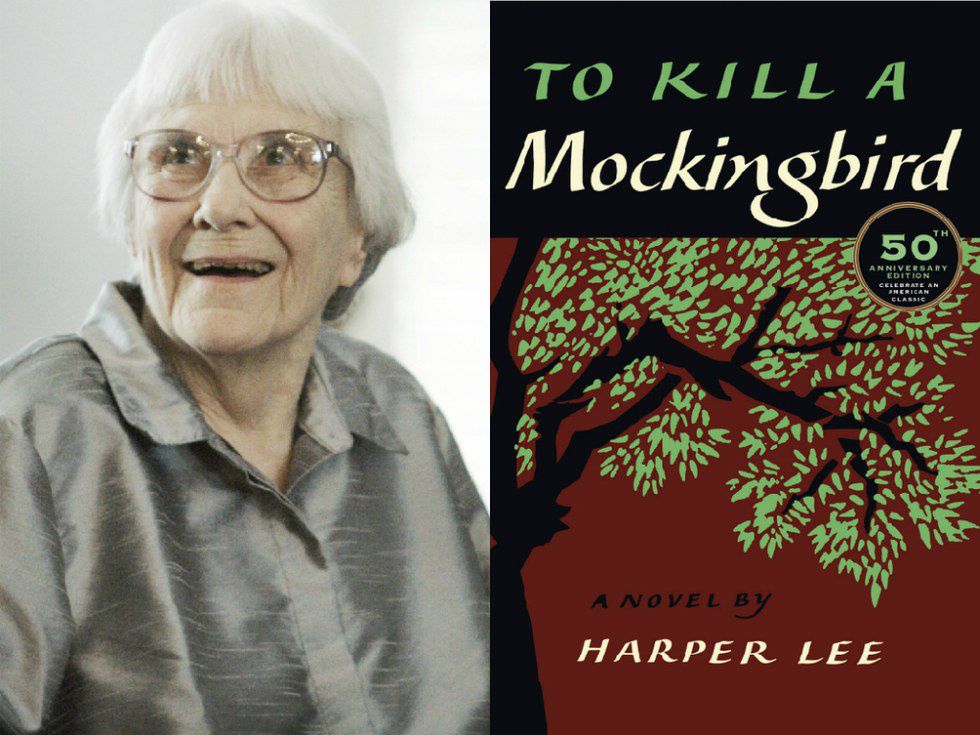
Harper Lee, native of Monroeville, Ala., is known for her Pulitzer prize-winning novel, "To Kill a Mockingbird." This novel, which addresses issues of race, sexual assault, gender roles, and classism in the South, is one of the most read books of all time, and is studied in high schools all over the country. The story is based on experiences from Lee's own childhood, and she based the young protagonist, Jean Louise "Scout" Finch, on herself. The novel was published in 1960 and was followed by a film of the same name, in 1962, starring Gregory Peck as Atticus Finch. This is Lee's only published novel.
Or it was, until now.
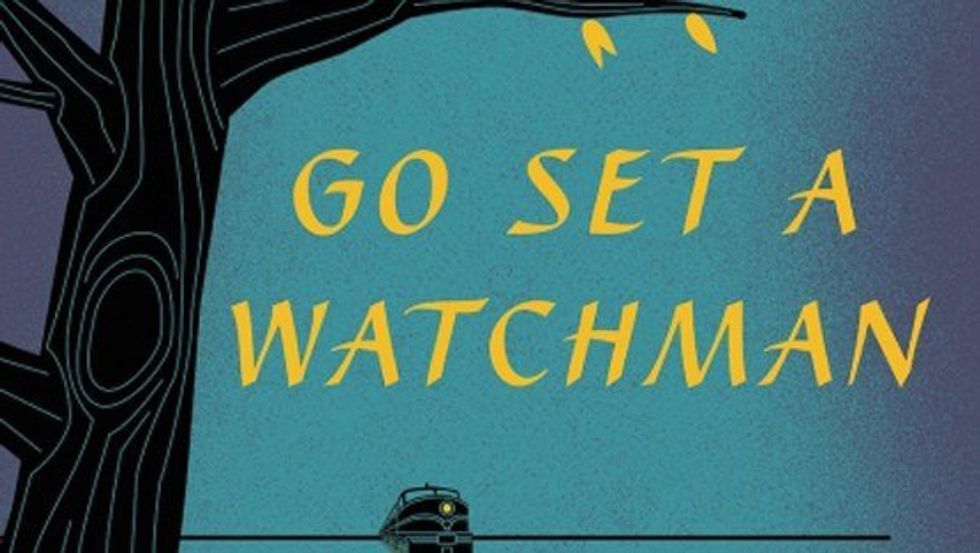
On Tuesday, July 14, Harper Lee's second novel, "Go Set a Watchman," a sequel to "To Kill a Mockingbird," will finally be published. Although this book, which follows Scout to New York, 20 years after the events of "Mockingbird," is characterized as a sequel, Lee wrote it in the mid-1950s, prior to her first published novel.
Lee is known for her difficulty in taking criticism, and the back and forth she had with publishers and her editor. When her editor pushed her to publish more work from the perspective of young Scout, Lee put "Watchman" away, where the manuscript was lost until its rediscovery in the fall of 2014.
After the announcement was made that a second novel would be published, there was some controversy. Lee, 89, has had severely declining health in recent years. She has always been thought of as something of a hermit, as she lives in Monroeville and rarely agrees to meet with fans of her first novel. She has also claimed, for decades, that she would never publish another novel due to the struggles she faced in earlier years. For years, she lived with her sister, who played the role of caretaker for Lee, until her sister's death two months before the announcement of Lee's second novel was made. Due to Lee's poor health and recent loss, many were worried that she was being taken advantage of, and that it was possible that she was not able to give consent for publication. After much suspicion and debate, investigators for the state of Alabama were sent to interview Lee to determine whether this may have been a case of elder abuse. Luckily, Lee was cleared and proved her ability to give consent for the publication of the novel.
Fans of "Mockingbird," rejoice as they thought they never would see the day that another of Lee's works would sit upon their bookshelves. This novel, titled after Isaiah 21:6 (KJV), which states, "For thus hath the Lord said unto me, Go, set a watchman, let him declare what he seeth," is monumental for lovers of literature and Alabamians. Finally, the story of Scout, who is a strong image of a woman, pursuer of equality, and lover of people -- even at a young age -- continues her journey into adulthood.