
Imagine this: You’re walking to your school’s main library. It’s about one o’clock and you’re trying to snag that special section of seats before the rush. You have all the notes, chargers, and snacks to camp out for a few hours. Your memory and cognition class has a test coming up and you want to be 100% prepared. You’re guessing there won’t be many people since it’s early enough that most people are still in class. Ah… but you forgot your never-reliably quiet campus library is ~always~ packed, no matter what time of day.

As you’re heading back to your dorm/apartment, you cross your fingers, hoping no one will be back so you can go all out in studying. But then you face 2 classic college scenarios. THIS IS HOW YOU BEAT COLLEGE STUDYING.
Look at you! There are 3 days before the test and you are mentally prepared to study little by little, ‘cause you’re not trying to drown in the sorrows of all-nighters. Here are a few tips to get yourself started and on your way to passing:
1. Time management.Most college students have a hard time grasping this adulty word, but it will legit save your life. Or at least your college career. Using spacing, (aka actually start studying early) you will significantly improve your short memory on whatever material you’re covering. As long as you stay consistent day by day until the exam, you’re GOLDEN.
2. Look at the syllabus (that paper you’re supposed to be following throughout the semester) and read the highlighted passages within the assigned chapters.

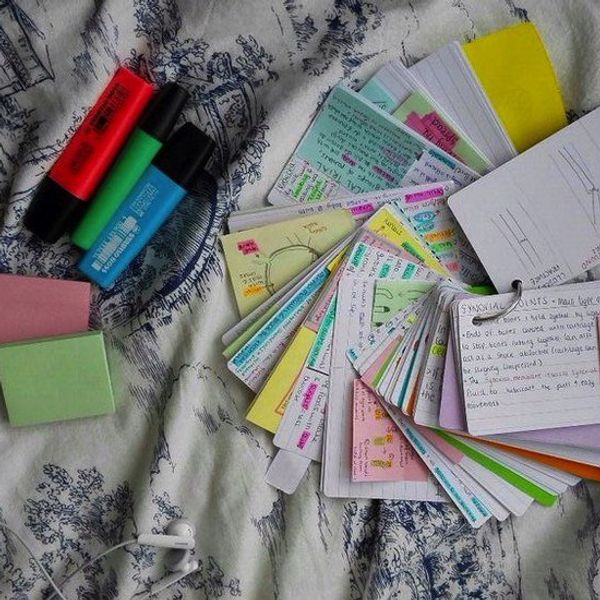
3. Grab all your notes and make sure to snag some noise-cancelling headphones. You’re in for the long haul. Take the time to rewrite all your notes, making emphasis on anything that seems purposefully important.
4. By re-reading the chapters (wait, we were supposed to read them already?¿?) and copying notes, you’re using some type of processing to encode the information into your long term memory. Between semantic processing and elaboration rehearsal, you are unraveling the meaning of what you are reading/writing, giving yourself a better chance to retrieve the information when it matters the most.

Okayyy… it’s the day before the test. You’re not sure where the time went. Things were fine a few days ago, but now you’re perpetually sweating and your stomach hurts. But it’s alright. So you’ve fallen to your old habits. They die hard, I know, which is why you’ll just have to settle for cramming. Go ahead and use the tips above, but here are a few more that can help with your anxious studying:
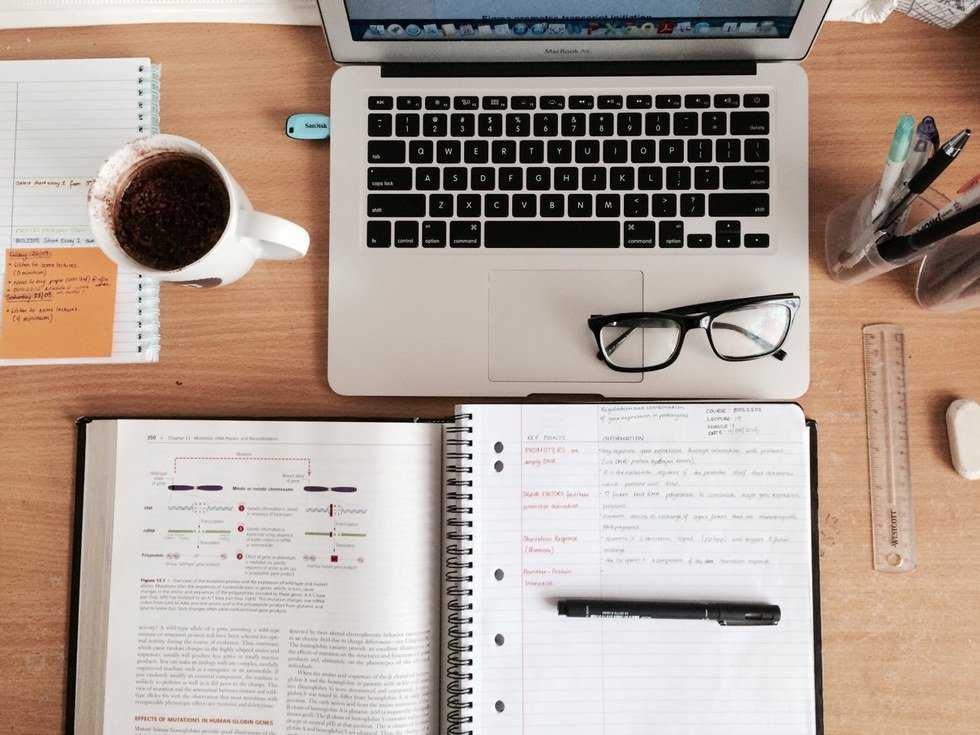
1. Assuming your classroom is either bLaZing hOt or frigidly cold (you know there’s no in between) with seats crammed side by side, you should recreate that atmosphere while studying. Turn off the Spotify, get down from your bed, and prep your desk space so it feels like an exam room. This is better known as encoding specificity, or putting yourself in the position where your memories will be most easily accessible, by mimicking the same situation. This way, your mind can retrieve the memory better since you’re playing out the typical test-taking scenario.

2. All the info you’re perpetually shoving in last minute is likely to stay within your short term memory, temporarily helping you out. Maintenance rehearsal is the proper term to explain how cramming will stay in your working/short term memory, but will never be fully processed for your long term memory. But who cares right? You just need to know this ASAP. So go ahead and walk with your study guide in hand, repeating the same line, confidently.
Whether you’re a procrastinator or a day-to-day studier, there’s always ways to improve your study techniques and habits. No matter what:
1. Go into the test knowing you aren’t perfect. Don’t put yourself down thinking you’ll fail, but most definitely don’t go in knowing you can’t do anything wrong (otherwise known as hindsight bias).
2. Put your phone away, you’re not missing anything on Insta besides another grainy selfie. Clean your desk enough that you won’t procrastinate by doing it later, get that ice caramel macchiato from Starbucks, or whatever it is you need to do to prevent multi tasking. In more psyc terms, it will limit your divided attention.

3. Divided attention is the equivalent of walking across the road to your next class, while responding to a text. You end up either A. typing something that doesn’t make sense or B. almost getting hit by a car/bike. It won’t work so just don’t do it.
By tapping into effective memory methods, you should have all the tools possible to sit at your desk, comfortably knowing you’ve done all that you can to prepare.