
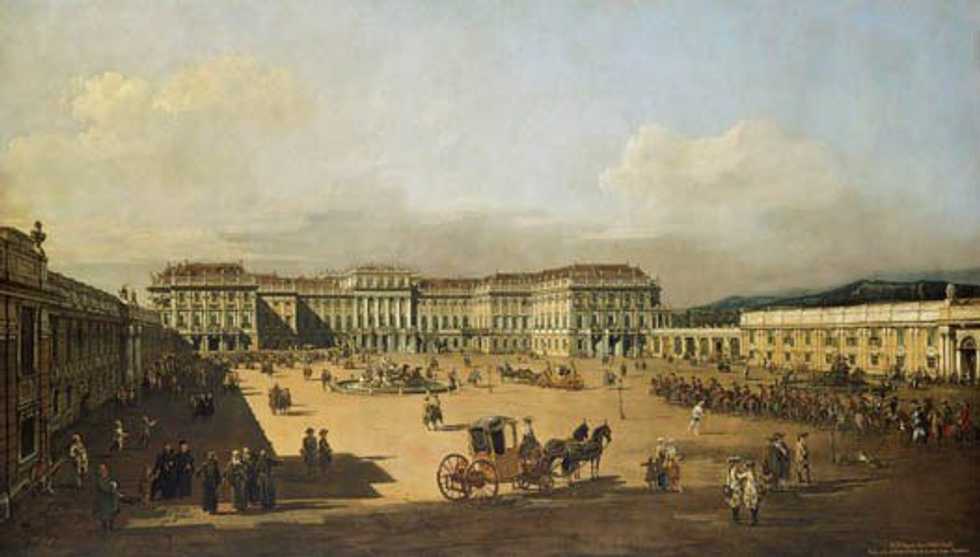
The streets of Vienna, Austria were once filled with gold-encrusted chariots and royal court members draped in pearls. The Habsburg family ruled a composite state composed of territories within and outside the Holy Roman Empire. Their rule and riches is incredible. Their love for lavish objects and rare paintings was recently displayed in a traveling exhibition at the High Museum of Art in Atlanta, Georgia.
This large exhibit displayed from October to January was visiting from the Kunsthistorisches Museum in Vienna and most of the pieces had never before left Europe.
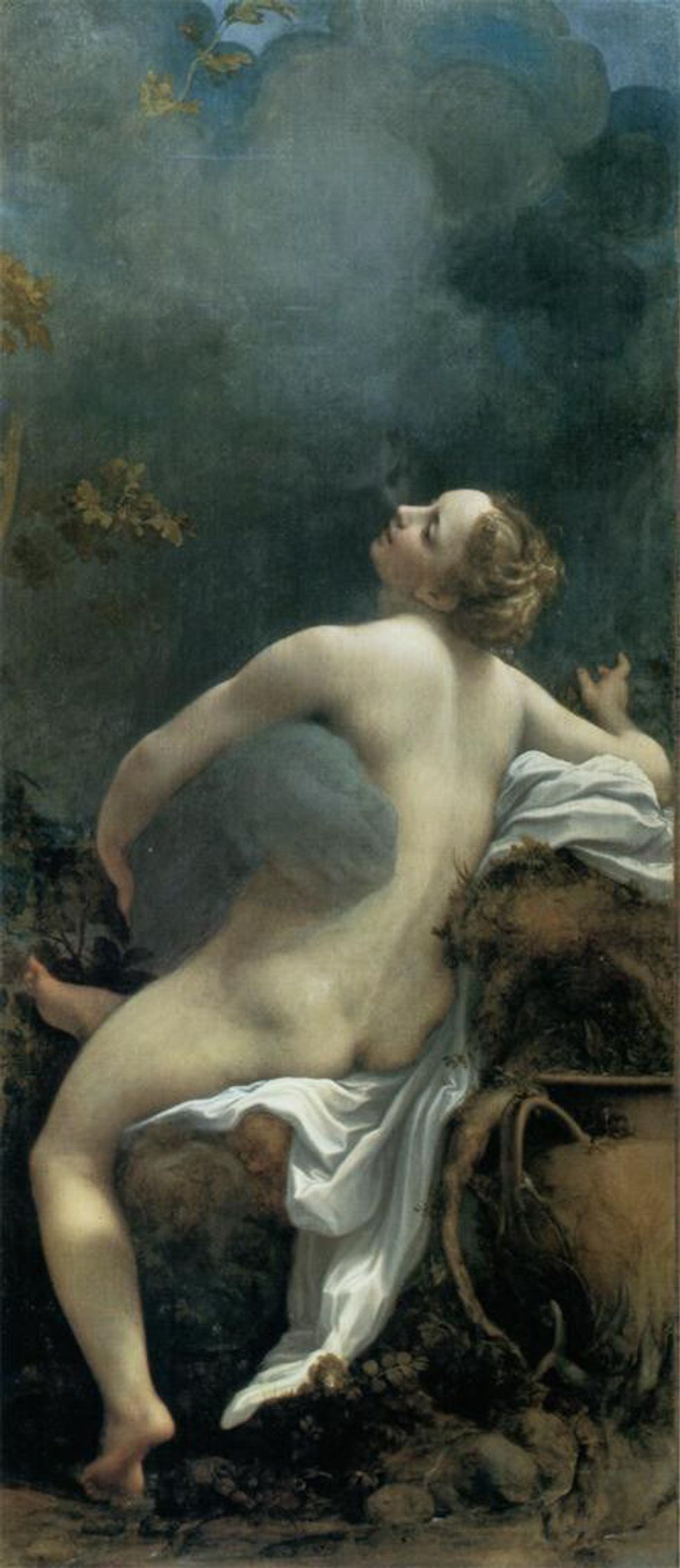
“It was a tremendous opportunity to see this imperial collection in the states,” said Dr. Tanja Jones, professor of art history at the University of Alabama. “To see Titian’s 'Isabella d’Este' and Correggio’s 'Jupiter and Io,' staples of the Renaissance and Baroque cannon, in the Southeast was a rare experience.”
The collection is comprised of many rare paintings, antiques, tapestries, clothing, armor and much more. It perfectly displays the absolute power the Habsburg family had during that time. The pure use of large gemstones and gold, as well as oil painting by some of the best Renaissance masters, shows the appreciation the Habsburg family had towards rare and unique items.
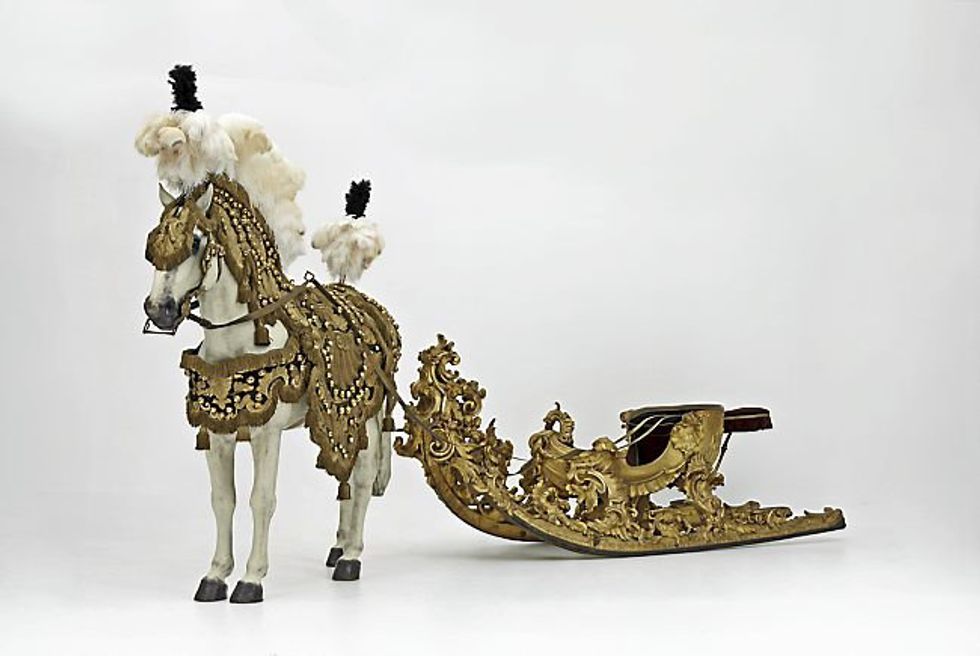
Image Source: www.twincities.com
“Everything once belonged to the Habsburgs, the dynasty that from the Middle Ages until the early 20th century exerted power across Europe (and beyond) as Holy Roman Emperors, kings, archdukes, grand dukes, kaisers and other permutations of hereditary privilege,” The Wall Street Journal reports. “'Habsburg Splendor’ focuses on the Austrian branch of the family, specifically as patrons of arts.”
When you walk into the exhibit, it begins to showcase the early emperors from the 15th century, as you are immediately greeted but intimidated by two large horses and men in full armor. They also have large jousting sticks that seem to move toward each other, clearly ready to battle.
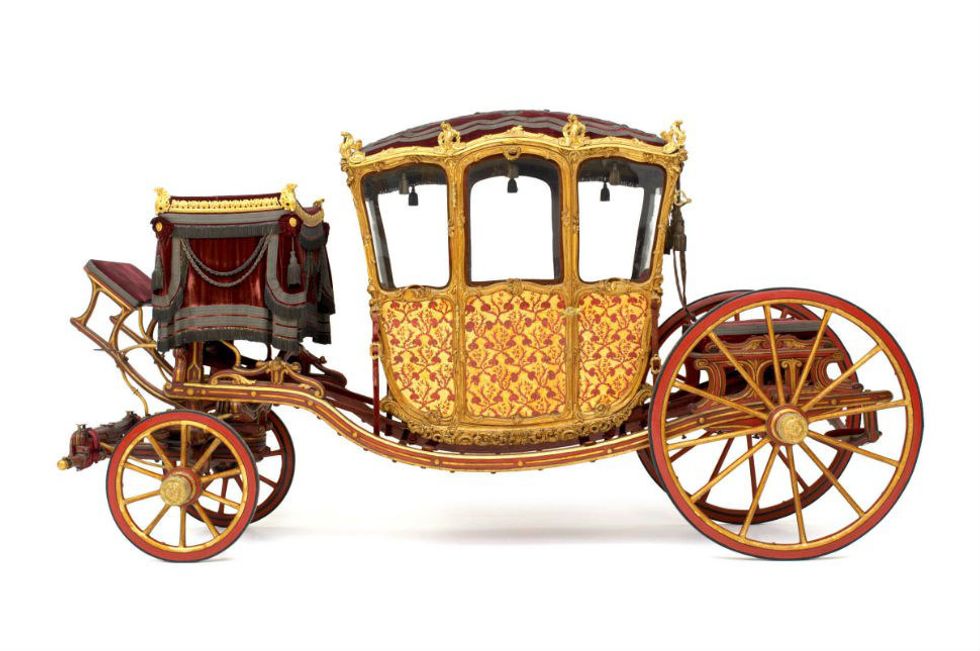
Image Source: www.blouinartinfo.com
Walking forward, you move through time as you are met with 16th and 17th-century objects inlaid with many types of rare stones. This area includes curious containers used for serving food and used during ceremonial events. Many are covered in coral, pearls, emeralds and gold among other animal and plant parts.
If you are a Correggio fan, you will be delighted to see "Jupiter and Io" on display as you turn the corner. It is a masterpiece of oil on canvas and is one of the most daring paintings created during the 16th century. This is one of Correggio’s four canvases representing Jupiter’s loves from Ovid’s Metamorphoses. Jupiter could often morph into different animals and smoke to seduce women.
“The imperial collections span hundreds of years,” Jones said. “The heads of states and families were not constrained by money. They purchased the finest examples of art, sculpture, armor and gold. It is truly a microcosm of the finest works in Europe from around 1450-1800.”