


Campus sustainability is becoming an integral part of college campuses aiming to reduce our students' impact on the environment, climate change, and our finances. Fortunately, there are so many choices and methods that you can use to achieve this goal, mostly with little effort and a slight change of habit. Keep in mind, these tips apply to both commuters and residents. Sustainability has a place regardless of where you live.
The goal of this article is not to provide the ultimate standard list on how to be eco-friendly. It is intended to show that we do have choices and the strategies available to reduce our impact on our only home in the universe. The littlest changes have enormous savings when so many students are participating in the art of sustainability.
1. Reduce your demand for paper products

If you are allowed to take notes using your computer, consider doing this to save yourself from purchasing unnecessary notebooks. Google Docs, Microsoft OneNote, and multiple other programs provide a great organized substitute for paper notes.
Physical copies of assignment papers and notes can sometimes be important to help you stay organized. There are many who prefer to always have physical copies of everything. However for others, when it comes to printing out 50-slide powerpoint presentations, lengthy articles, or other course content, try to save that for when you're actually required to bring printed materials to class. Print wisely.
2. Switch to reusable water bottles
Contrary to popular belief, bottled water is not the green way to go. Only a small fraction of plastic bottles actually get recycled, and you will be spending much more on bottles of water than the water coming from the tap. Another misconception is that bottled water is inherently safer than tap water, also not necessarily true in most areas of the United States where bottled water and tap water come from the same source. The EPA must provide you with information on your public water health, whereas the public are not entitled to the same information on chemical contaminants within bottled water.
Keeping a Brita filter or container in your dorm or house is a one-time purchase for years worth of saving your dollars and plastic waste. After all, you're already paying to use the water on campus in your tuition. All it takes is a little habit of sticking to one reusable bottle instead of dozens per week. Check the EPA's waterway search page to find out the quality of your local public water source. A simple Google search of your local water quality report will point you in the direction of your college area's water sources.
Note: Emergency situations, major pollution events, and natural disasters may compromise the water systems and could make bottled water a necessity.
3. Shop smart
It is definitely advised to carry a few reusable bags for grocery shopping. Plastic bags from your supermarket cannot be recycled by the traditional method. Additionally, it is always best to reduce the demand for them in the first place. Recycling centers specifically for plastic bags are available here.
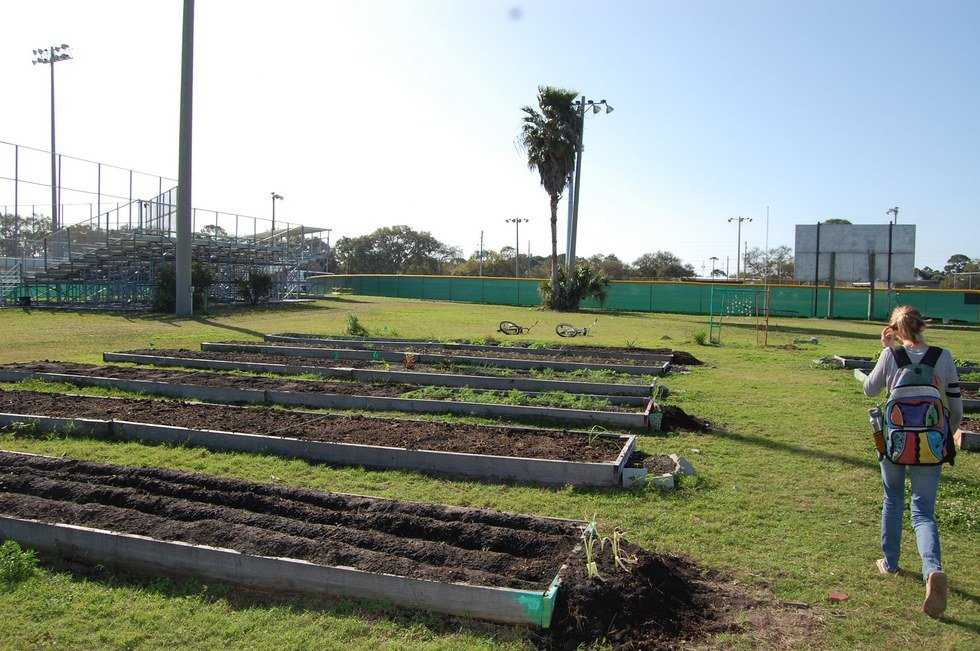
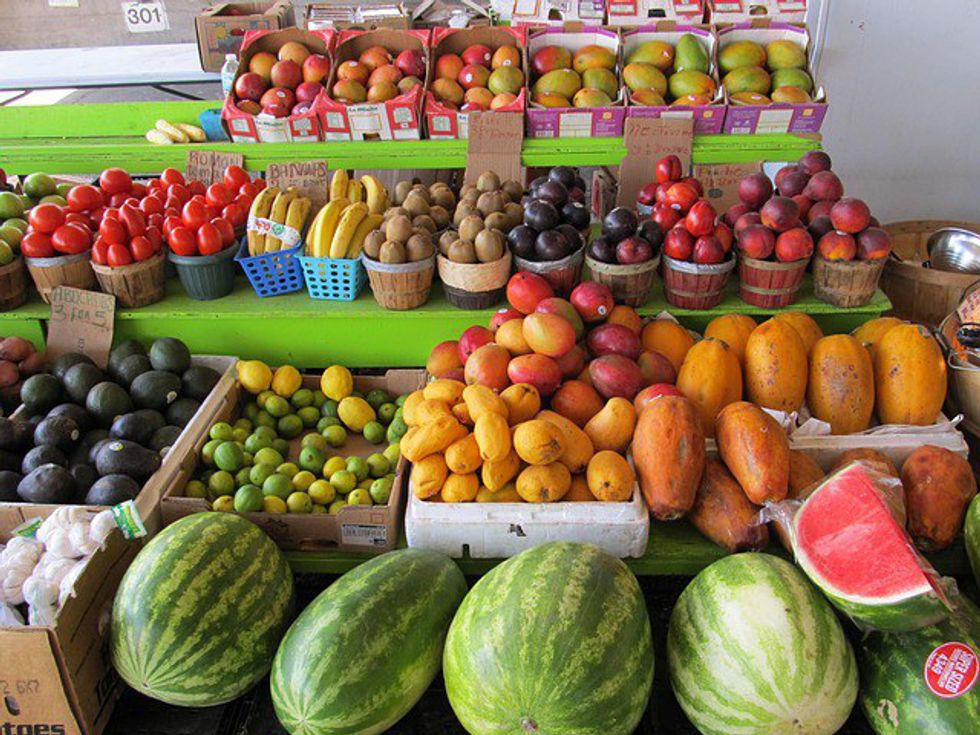
Shopping smart also means buying local, and in season products. If a fruit or vegetable is not in season, it is likely to come from far away. We must consider where our products are coming from and how much energy it really takes to get out-of-season produce from across the country, even from another continent. Colleges in all areas, urban, suburban, or rural, should be fairly close to a farmer's market. Your campus may even have a sustainable garden for students to harvest the freshest and most local produce. Can you even grow your own garden at home? Learn the benefits of shopping for local and organic from nutrition.gov.
Prior to purchasing a product, consider whether or not you actually need it, or if you need to buy it new. Can you buy a used product online, at a garage sale, or craigslist? Instead of throwing things away, can you give them away? Freecycling products is just as important as recycling when dealing with reducing demand from Earth's resources.
4. Becoming energy efficient

This part is definitely focused on both commuters and residents. We all know the basics of turning off the lights when you leave the room, shutting down your electronics, unplugging what you are not using, and keeping heat and air conditioning at your level of comfort. However, we can save a lot more energy by putting on a sweater in the winter to use less heat, or using fans while keeping our air conditioner low. You won't notice the change in a few degrees, but the Earth will over time.
The smallest changes such as energy-efficient lights will make a difference. I've had the same light in my room for about 5 years, and it's still burning strong despite using it every day. If you're feeling particularly energetic, take the stairs instead of the elevator and use the door that says "push" or "pull" rather than the automatic one.
5. Fuel efficiency

Many commuters have a lengthy drive to campus, sometimes all five days in the school week. Although we must use a lot of fuel while driving, we can cut back in other ways. Drive close to the speed limit, go easy on the brakes and acceleration, or consider walking and biking to destinations less than a mile away from you when weather permits. Those little trips add up, so you'll want to make each trip worth starting up your car for.
Many commuters like to hang out or sleep in their cars as well, using a bunch of fuel particularly for those with hour-long gaps between classes. This fuel cost will show when paying at the gas pump, and with greenhouse gases in the atmosphere while your car is not going anywhere at all. Consider switching to a lounge. If you'd like to see the effects of these changes, record what you are currently spending on fuel, and then record the change at the end of the month.
Does your campus encourage carpooling? If not, network with your fellow commuters to see if anyone is willing to set up a carpool for days where you have a compatible schedule. Take turns driving.
6. Eating less meat

I am a vegetarian who would never tell anyone that they must become a vegetarian. The more practical approach is to eat less meat and to consider the shopping tips in #3 of this article. The meat and dairy industry use an incredible amount of energy and resources, which has a significant impact on our carbon footprint. Try out some veggie alternatives for a meal or two a day rather than consuming meat for 3-4 meals per day. Even having one meatless day per week is enough to have a real reduction of your impact. Saying this as a picky eater, the options are out there, and they are just as delicious and satisfying.
If you find yourself able to become a full vegetarian or vegan, that is fantastic. However, you will discover that practicing sustainability is full of options. This is the main goal of the article after all. Know where your meat comes from, how it is produced, and what impact this has on your carbon footprint. Whatever decisions or lifestyles we choose, they must inarguably be educated ones. Even different kinds of meats produce a greater carbon footprint than others.
Additional Resources
Ramapo Green of Ramapo College
How to Weatherize Your Home (U.S. Dept. of Energy)















