

Cuban cinema (meaning actual, authentic Cuban cinema, not Dirty Dancing: Havana Nights) is, unfortunately, limited, for a number of reasons that are likely obvious. Intermittently over the past few decades, some films that have slipped through the proverbial cracks have revealed the island to be full of artistic talent and cinematic deftness.
Retrato de Teresa
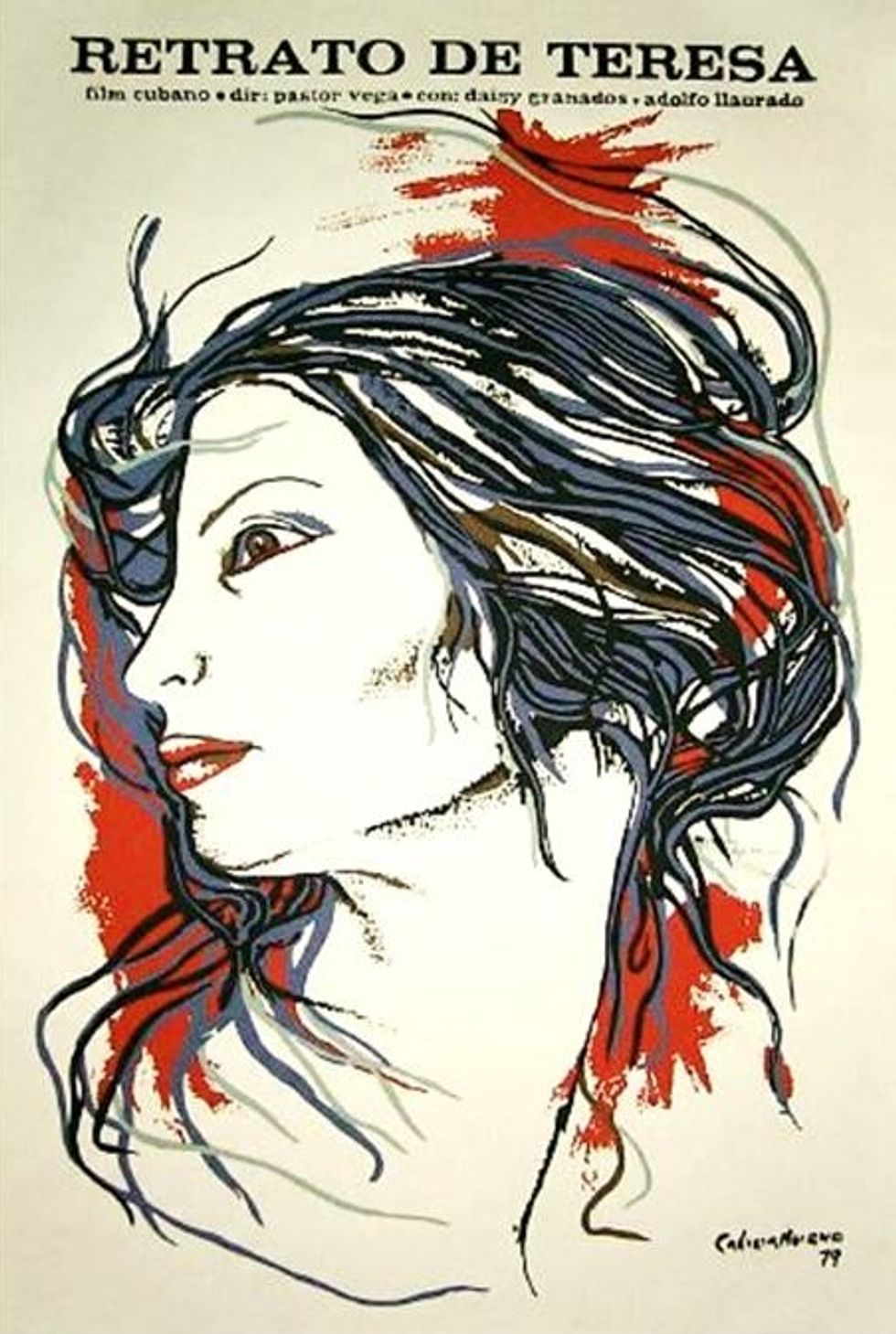
Teresa, a strong-willed, hard-working woman in late 70’s Cuba, takes a stand against her chauvinist husband and his traditionalist beliefs and fights for respect at home and in her workplace. Pastor Vega’s film, astonishingly ahead of its time both in its message and its cinematic techniques, stands today as a strong example of feminist cinema.
Juan de los Muertos
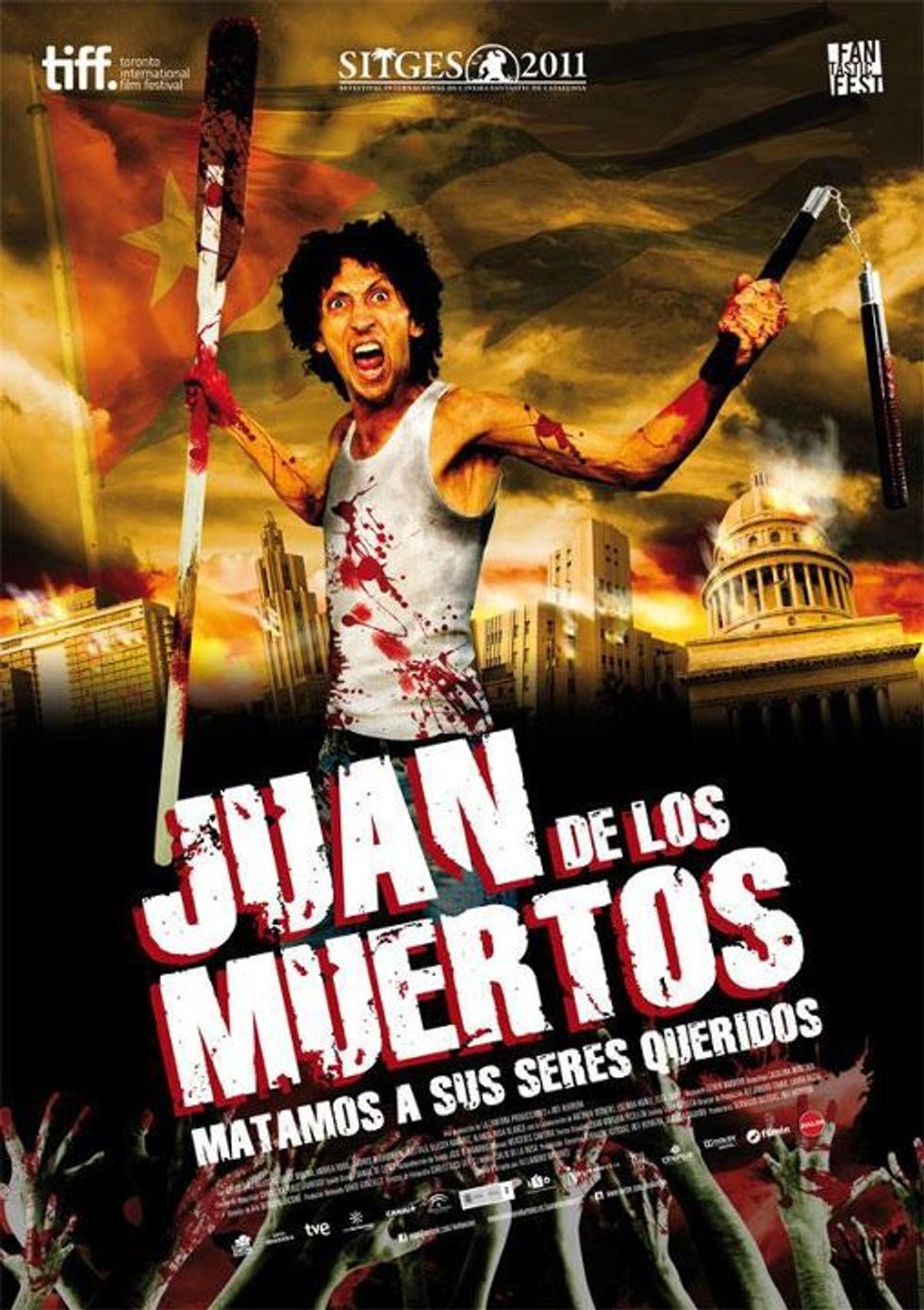 Essentially the Caribbean Shaun of the Dead (the title literally translates to Juan of the Dead), this irreverent zom-com emulates American comedy movie tropes to great effect. It’s full of belly laugh moments, great one-liners, Tom Savini-esque gore (it is a zombie film, after all) and even thinly veiled political allegory. And it’s on YouTube!
Soy Cuba
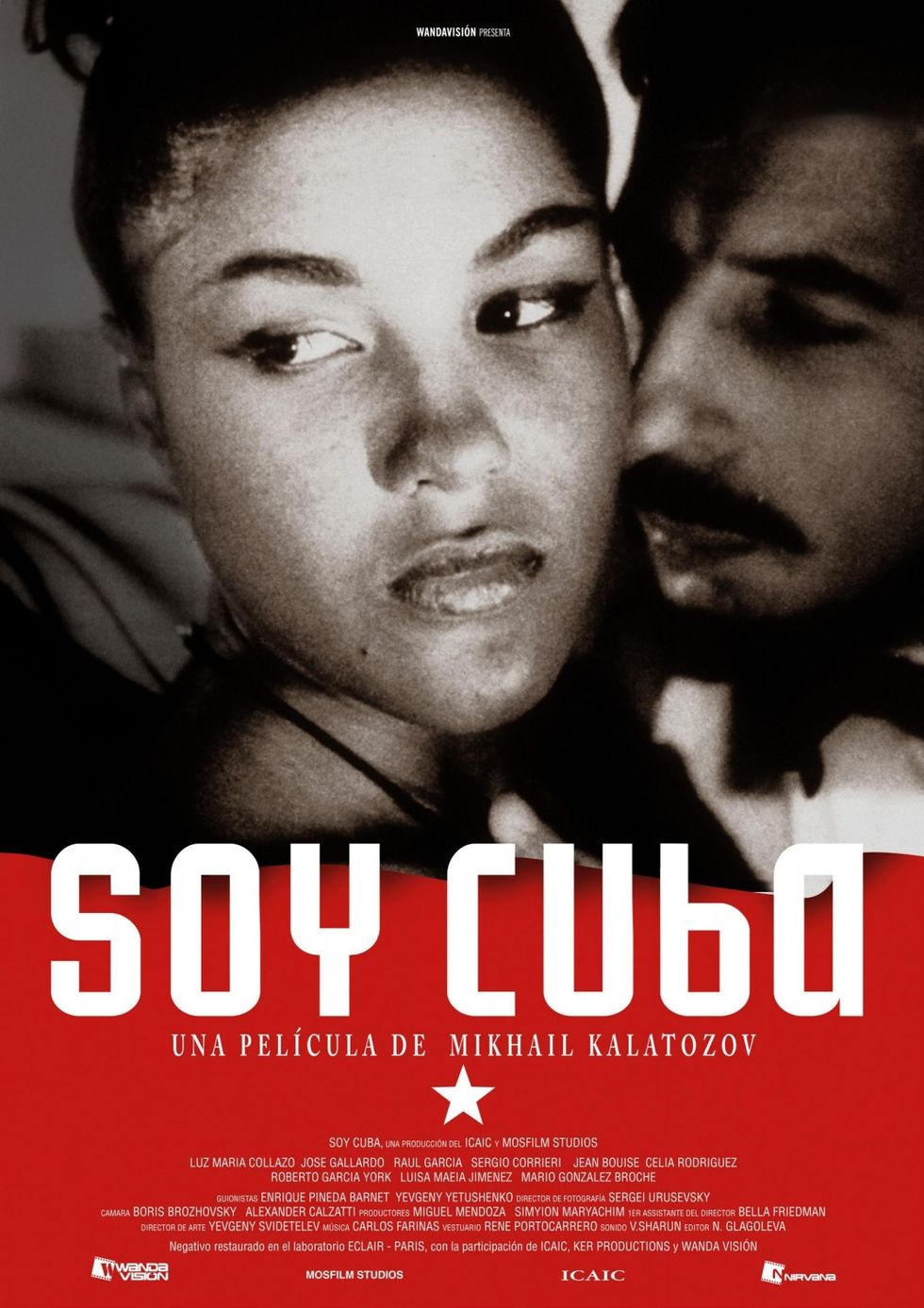 Mikhail Kalatozov’s 1964 film is, despite its background and ulterior motive, a classic of Cuban cinema. Equal parts arthouse film and propaganda (much like Sergei Eisenstein’s seminal The Battleship Potemkin, produced by the same film studio), it’s an anthology, consisting of a series of four stories that depict Cubans and their struggles. These stories are meant to show the poor quality of life under dictator Fulgencio Batista’s reign and the need for Castro’s communist regime. Throughout the film, a female narrator, personifying a world-weary and protective Cuba, airs her numerous grievances with Americans and their interference with the island.
This film was a Soviet-Cuban co-production, filmed and released five years after the revolution. It was lost and forgotten for decades before resurfacing at a film festival and being lauded by directors Martin Scorsese and Francis Ford Coppola, and remains appreciated today.
Memorias del Subdesarrollo
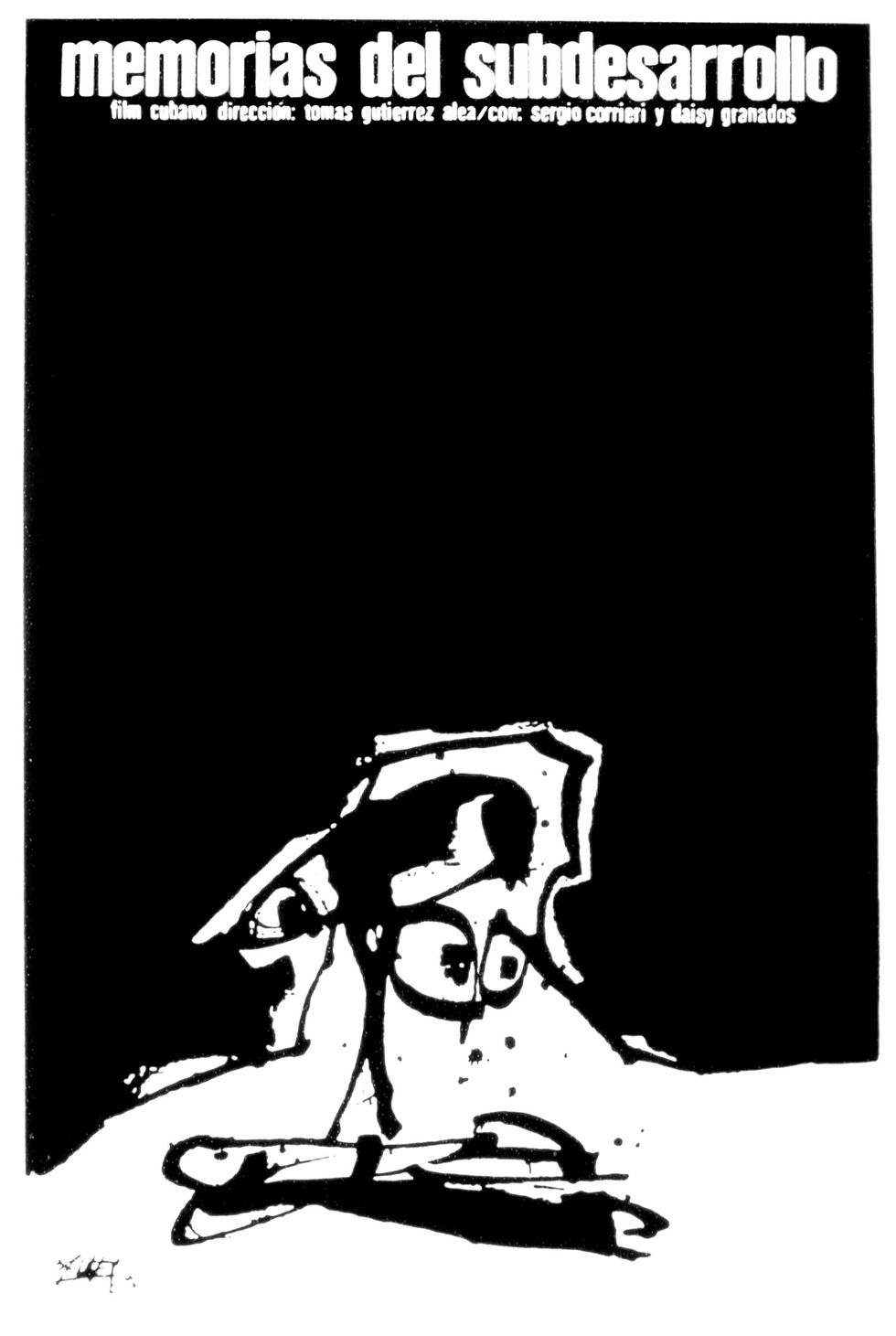 Obviously influenced by Jean-Luc Godard and the French new wave, Tomás Gutiérrez Alea’s 1968 film explores the feelings and role of the typical Cuban man in post-Revolution Havana. The protagonist, Sergio (played by Sergio Corrieri) displays throughout the film a dissatisfaction with and a detachment from the city and the culture that surround him, and an uncertainty of how to act. Great if you dig À bout de souffle, Le Samouraï, etc.
Una Noche
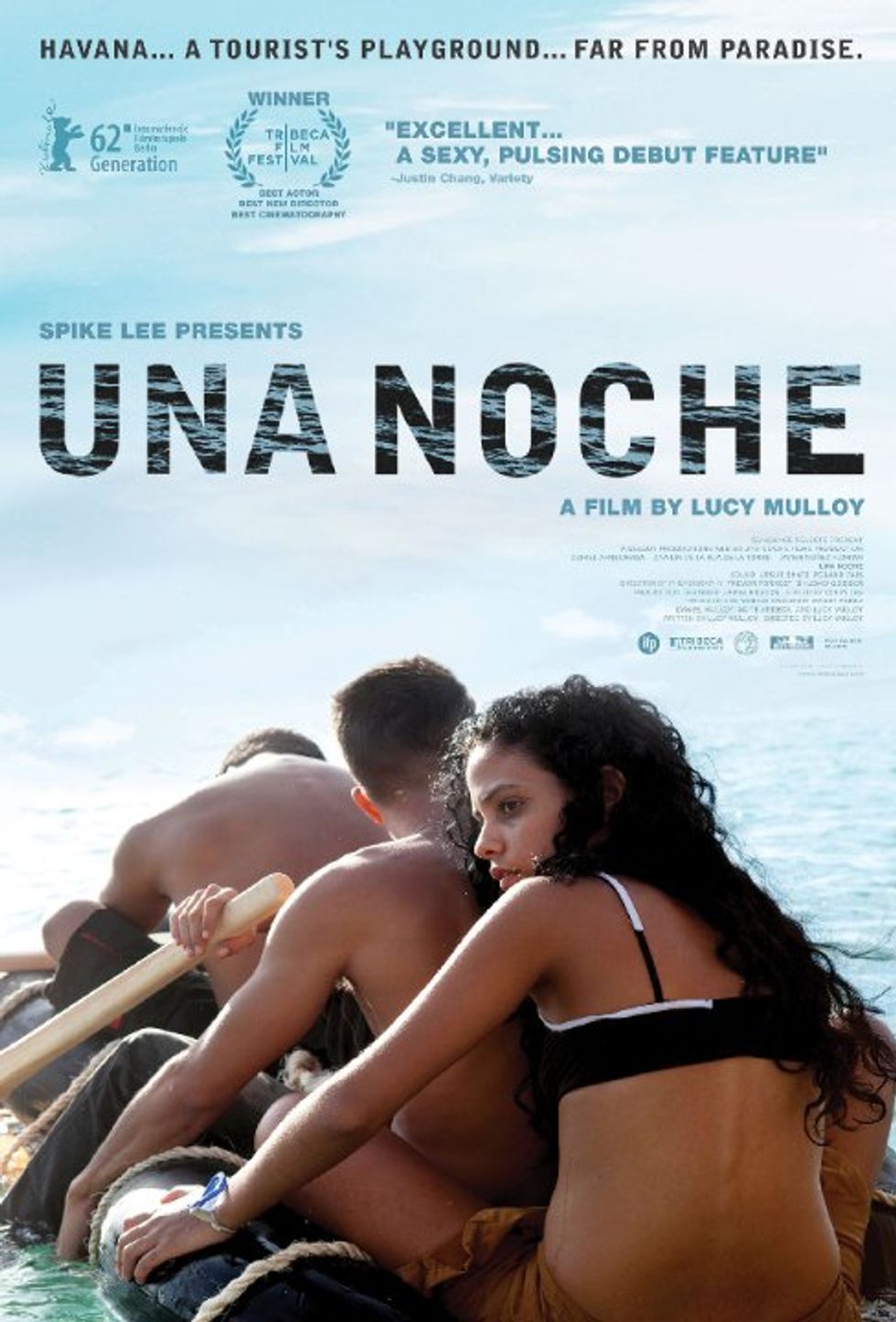
The Cuban government doesn’t tolerate any domestic criticism of its regime whatsoever; it’s amazing, then, that this film was even made. Lucy Mulloy, an American director from New York City, filmed this (presumably covertly) in Havana with amateur actors - the film tells the story of a day in the life of a few Cuban teenagers who, dissatisfied with their conditions, attempt to flee to America via raft. It’s a depressing look at the reality in which Cuban citizens live.