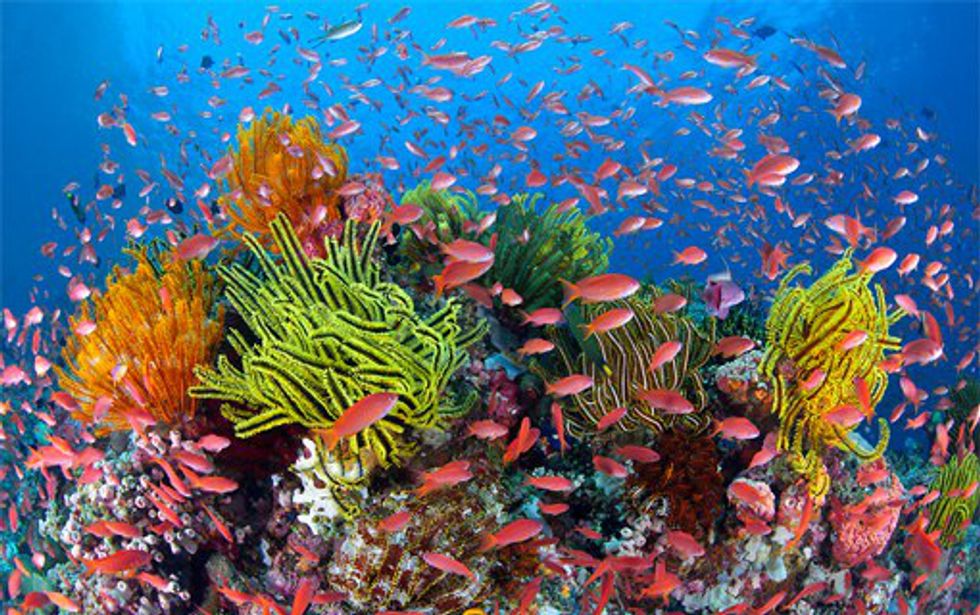
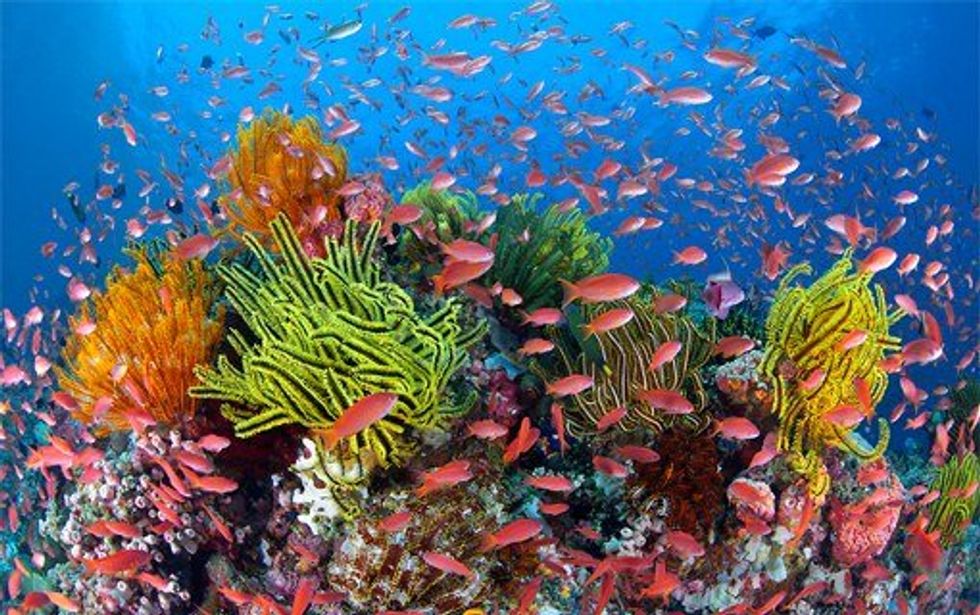
The Great Barrier Reef, located off the coast of northern Australia in Queensland, is the largest on earth and is so big that it can even be seen from outer space.
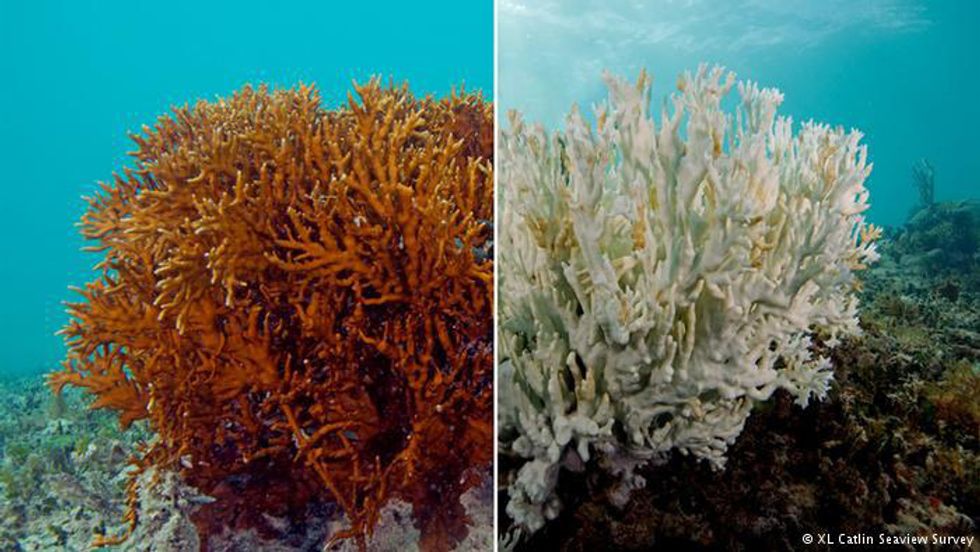
The massive system is composed of over 2,900 individual reefs and 900 islands that stretch for over 1,400 miles. Billions of coral polyps make up, support and house thousands of individual organisms and hundreds of species, including 6 species of turtles, 215 species of birds, 17 species of sea snakes and more than 1,500 species of fish.Although the reef is home to an abundant amount of species, it is diminishing due to the effects of global warming. With rising water temperatures comes one of the greatest dilemmas the reef has had to face in almost 15 years: bleaching. Yes, the coral that supports and makes up the entire reef system is losing its vibrancy and becoming white.
When a coral becomes white, it does not mean that it is dead; however, it does mean that it is under massive amounts of stress and are in an extremely vulnerable state. Although coral do have chances at surviving coral bleaching, mortality is very common.
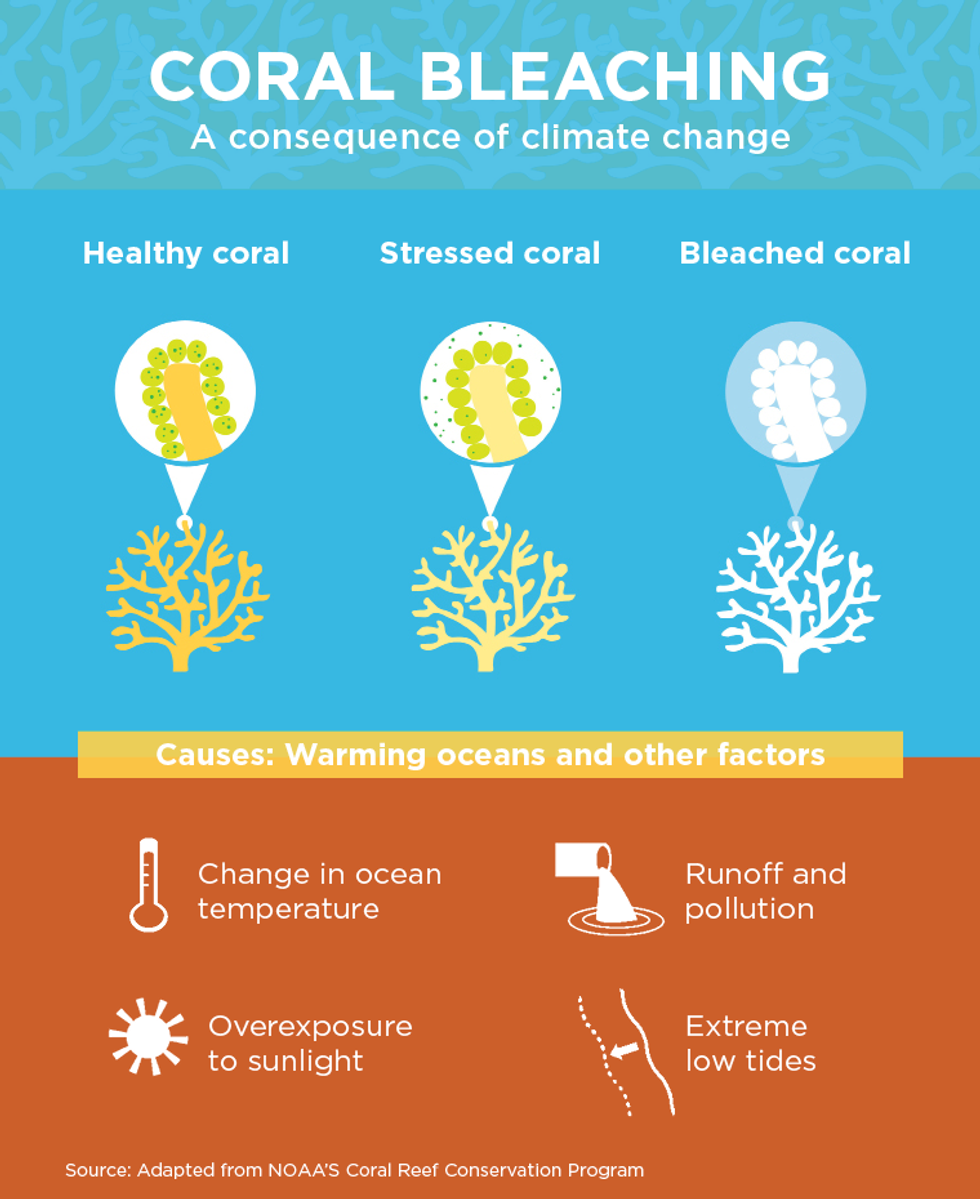
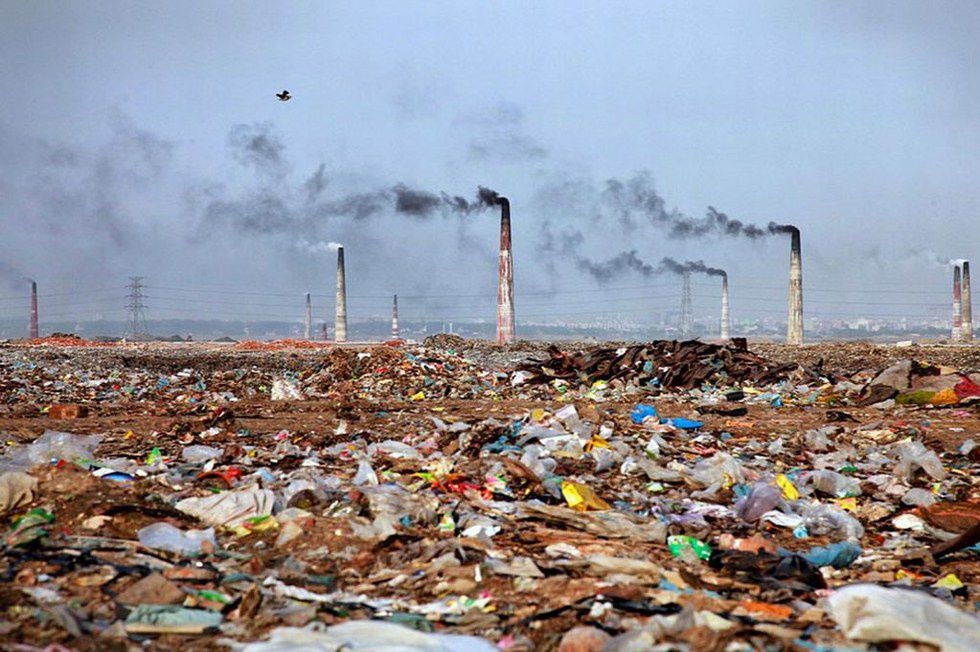
Aside from warm waters, coral bleaching is a consequence of pollution as well. The obvious effects of pollution, that we all know, is that it results in dirty and unhealthy waters. However, when looked at more closely, detrimental effects that are not visible to the naked eye are seen.
Pollution leads to excessive algae growth on the reefs, which effect the coral by over crowding them. The pollution also causes oxygen levels within the water to decrease, which degrades the ecosystem.
However, one of the most detrimental effects that pollution poses for coral within the reefs are the sediment deposits that smoothen coral texture. The chaffing by the sediments takes away the natural texture of the coral, preventing it from being able to feed and reproduce.
Each of these effects stress out the coral and cause them to lose their natural coloring. The tiny algae that live within the coral live in harmony and help coral live and flourish. The two share a mutual relationship and without one, the other dies. Therefore, when the coral is under stress, so is the algae.
Aside from the coral itself being endangered, the bleaching poses a risk for all the species that live within it. For example, the vibrant colors of the coral protect the species by using a camouflage effect. Without the color, fish and other species are at risk for being predated.
Despite these detrimental effects, they can be prevented. End pollution. We as humans have to learn to respect the fellow species around us. We are not the only species on the earth. We were also not the first. Therefore, we cannot live a life that endangers the mortality of fellow living things around us. If we do not grasp a better grip on pollution control, the Great Barrier Reef will be completely gone by the year 2030. Yes, completely gone after a 20,000,000 year life, and it will be on us, human nature.
If we want to keep this,