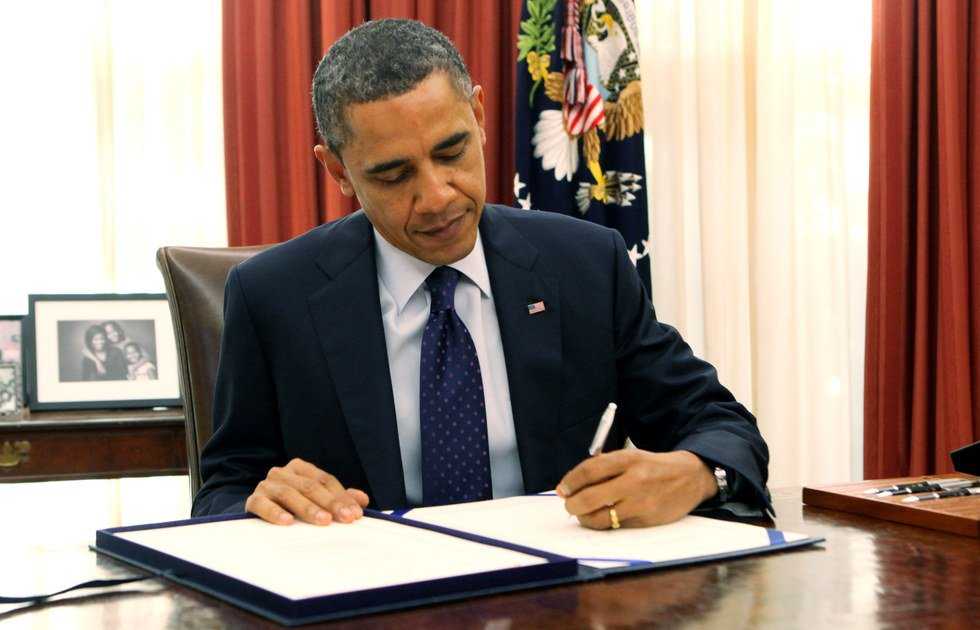
On Friday morning, President Obama signed a $1.8 trillion spending bill to fund the government until September 30, 2016. This bill prevents another government shutdown, which would be disastrous for families across the country. Though necessary to keep the government running, this spending and tax plan have faced conservative criticism as it increases the national deficit by billions of dollars.
The bill passed the senate with a split republican opinion, yet managed to gain the democratic support it needed to pass. Majority Leader Mitch McConnell describes the spending and tax bill as a success and specifically good for the middle class: “This legislation helps our economy, helps our national security, and strikes more blows to a partisan health law that hurts the middle class.” Though this plan passed the senate 65-33, Obama is not completely thrilled; the president says he is “not wild about everything in it” though that he is “sure that’s true for everybody.”
Several presidential candidates currently serving in the senate are unhappy with much of the compromise this bill requires. Senator Bernie Sanders (D-Vermont), Senator Ted Cruz (R-Texas), and Rand Paul (R-Kentucky) voted against it while Senator Lindsey Graham (R-South Carolina) voted for the bill to pass. Senator Marco Rubio (R-Florida) gave the bill something of a pocket veto as he was not present to vote on the bill, though he says: “in essence, not voting for it is a vote against it.” To pass the bill and avoid a government shutdown, Minority Leader Nancy Pelosi appealed to the democrats to overlook the lifted ban on U.S. oil exports that the bill includes, and focus on bipartisan compromise.

One compromise the democrats would not include in the spending bill is the limitation on executive power. In response to his initiatives limiting greenhouse gas, as well as his plan to settle 10,000 Syrian refugees in the U.S., republicans aimed to reel in President Obama’s executive power. The provisions that would deal major blows to the president’s power were not agreed on and were abandoned to vote the bill into law. Though the G.O.P. lost the executive power battle, they secured a spending increase for the military and lifted the aforementioned ban on U.S. oil exports.
A wonderful provision of this bill permanently funds a health care program for the responders, and their families, of 9/11. Other measures include giving Obama the power to require closer inspection of visitors through the Visa Waiver Program that had recently been to Syria or Iraq. Even the hard cider industry is included in this bill! Senator Chuck Schumer (D-New York) proposed a provision that will classify an 8.5% alcohol content as opposed to the current 7 percent. This tweak comes from the higher taxation ciders with alcohol contents above 7% would face when compared to those that had 7 percent alcohol. Schumer proposed this measure in hopes that the lower taxation on higher content ciders will encourage a spike in cider production to stimulate the economy.
Though many issues are addressed in this spending bill, Puerto Rico’s debt is not. Puerto Rico Gov. Alejandro García Padilla reacted to the lack of aid by saying: "By not acting now, Congress has opted for the U.S. commonwealth to default on its obligations and unfold into chaos,...Once again Wall Street has demonstrated its control over Congress; Wall Street rules Congress."
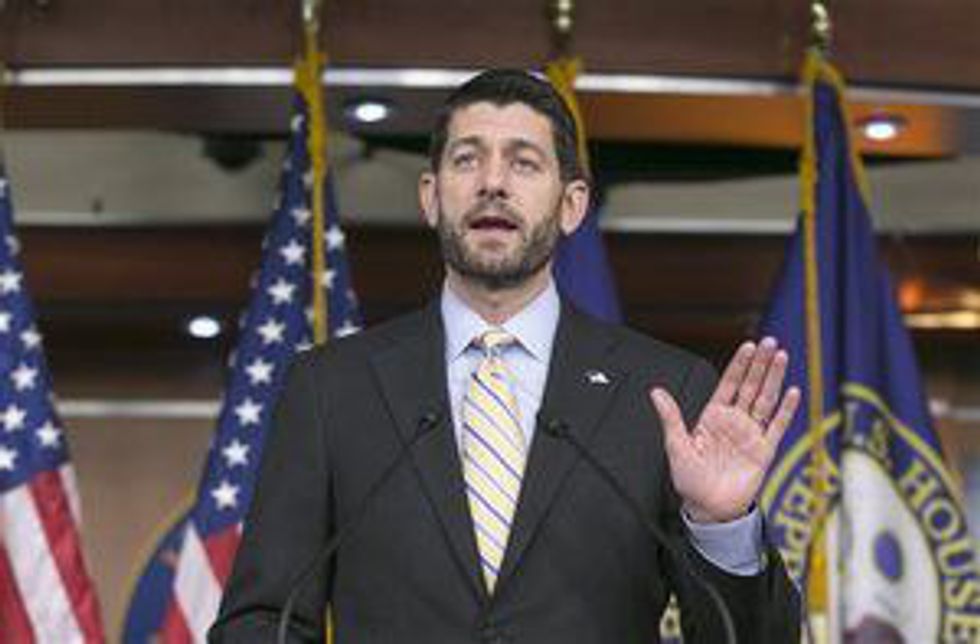
Passing this bill has been considered the test of Speaker of the House Paul Ryan. Though he managed to avoid another government shutdown, Ryan is not pleased with the urgency it was created under. This narrow success is too reminiscent of the shutdown under former Speaker John Boehner. Ryan has already lined up appropriation bills for 2016 in hopes of addressing what was ignored by this bill, or winning some unsavory compromises the republicans made. Ryan expects to return to session in 2016 and address the government’s economy head on.