


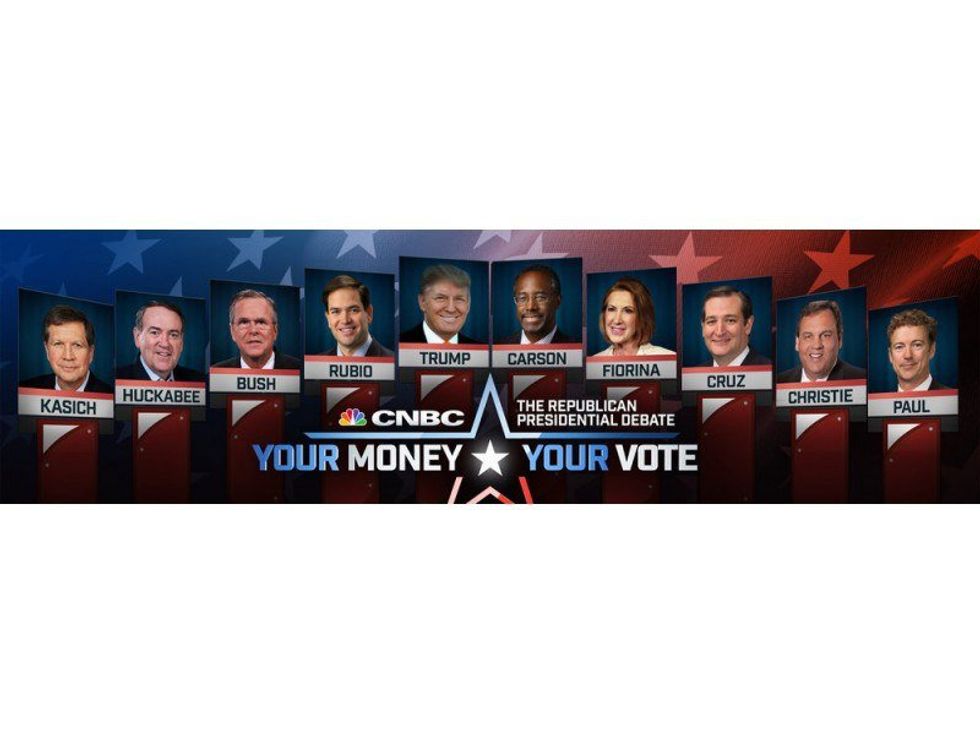
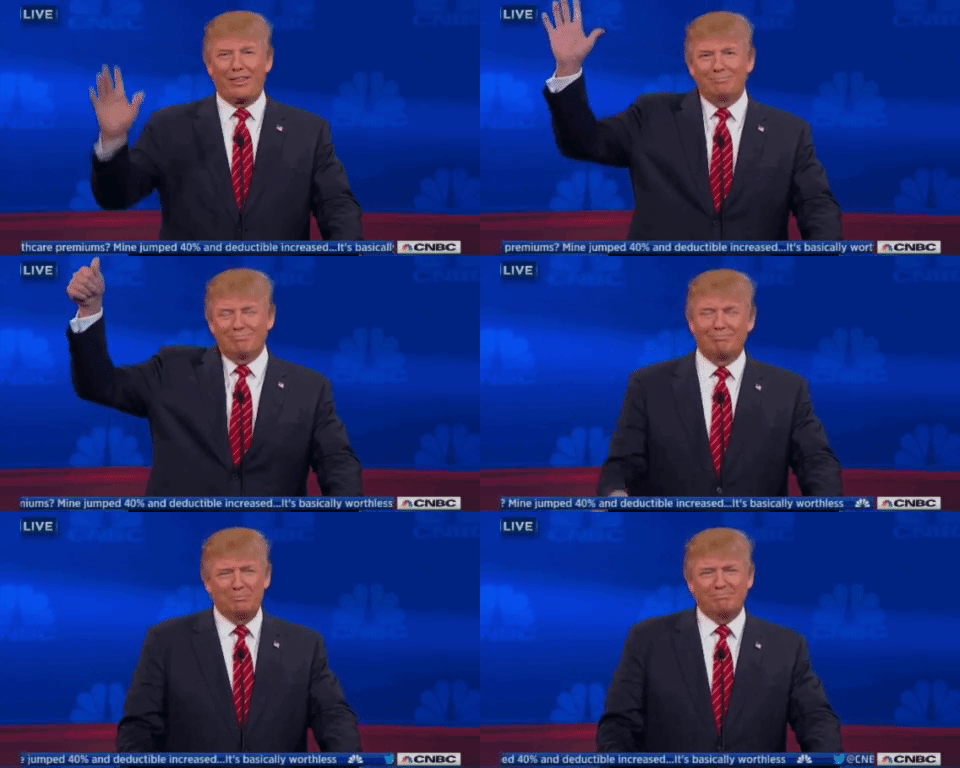
Now that we’ve gotten the obligatory Donald Trump gif out of the way, let’s break last week's Republican debate down. I’ll be honest, I don’t think there was any candidate that was legitimately a loser, but there were definitely a couple big winners. No one had any real gaffes or atrocious slip-ups and a lot of actual ideas were discussed. There were, however, some long-term losers and most of them seem to fall on the left side of the aisle.
Winners
1. Marco Rubio
The big issue for Marco Rubio was his Senate voting record. Not only did he handle the question with ease, he hit it out of the park. The only thing missing was the epic bat flip.

(Don’t worry, I added it for you, Senator).
Throughout the debate, Rubio looked comfortable, answered every question thoughtfully and passionately and generally looked very presidential. The best example was when he pivoted easily and cleanly away from a question about his personal debts while still answering the question. Also, he tore apart the liberal media throughout the debate which always goes well with Republican voters. Rubio made a credible claim to be the moderate answer to the fiery Trump. His numbers are definitely going to get a big bounce as a result.
2. John Kasich
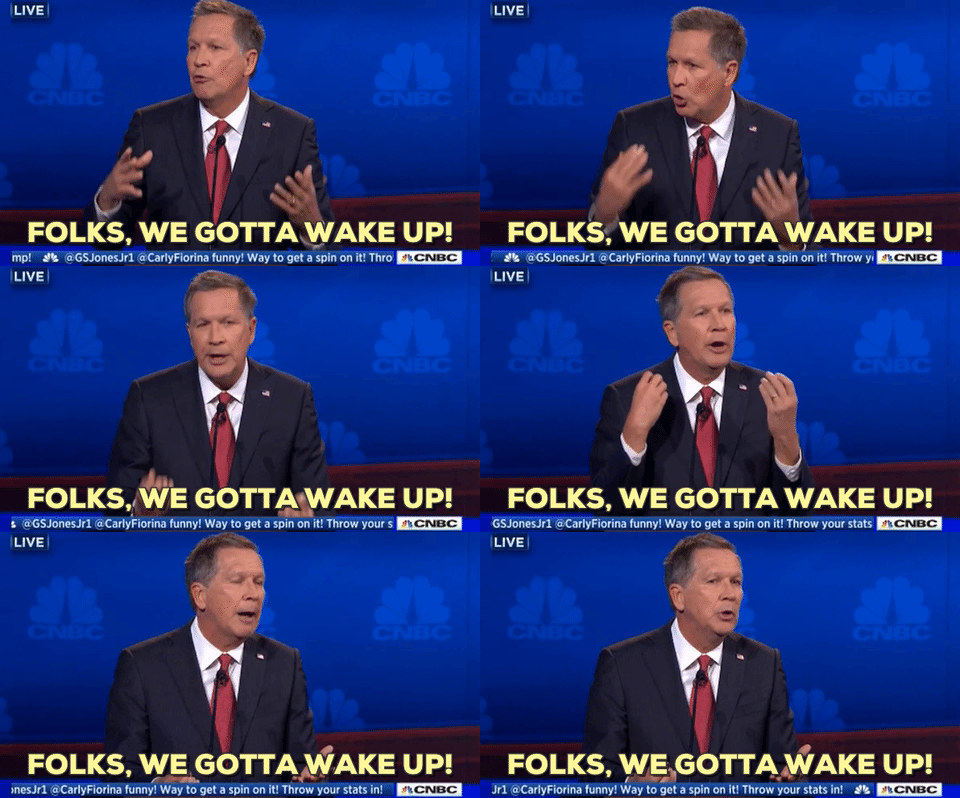
We saw an angry John Kasich last week. His signature moments came in his opening and closing statements. (See above) He came out firing and called for logic and reason in the debates. He looked like a real leader and was supremely popular in Ohio. He resonated well with a lot of voters and has certainly set himself up for the long haul.
Republican Voters
Even if you disagree with what was proposed, there was a clear, optimistic vision for this country. That’s in contrast to the Democratic debate a few weeks ago: “who could move furthest left.” Republicans need to run on their ideas and make sure that they articulate them with dignity and respect. When they ask citizens to vote for them on those principles, they tend to do well across the board, even in liberal states (ask Charlie Baker how being a Republican in liberal Massachusetts worked out).
Losers
1. CNBC
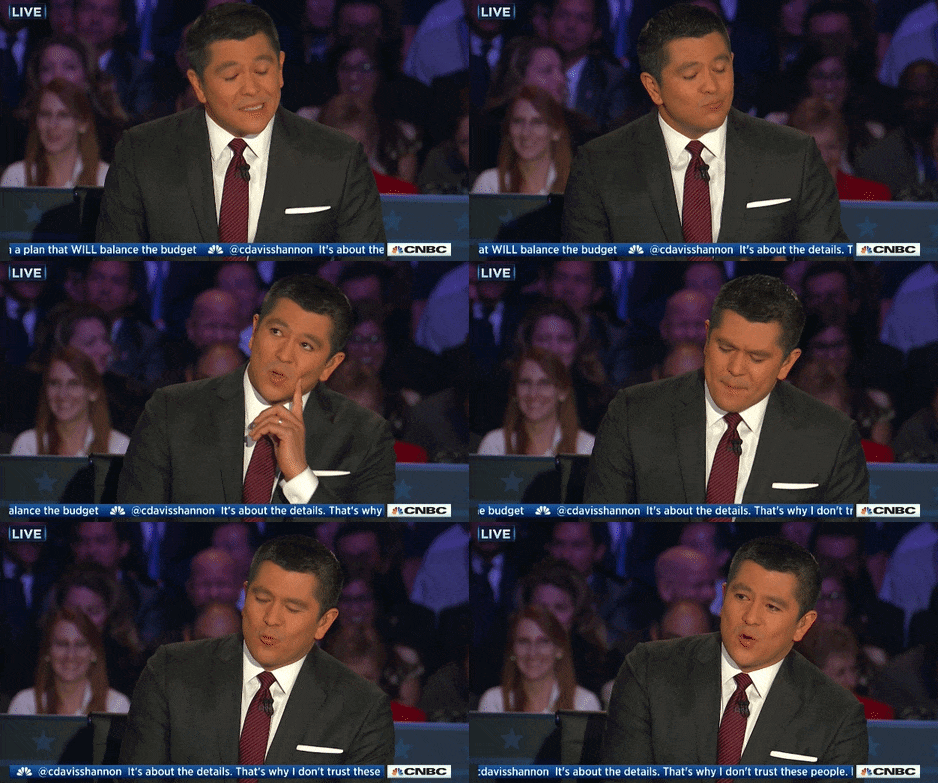
Dear CNBC: good luck ever hosting a debate again. The moderators were disgustingly bad and were criticized by viewers on both sides of the aisle. A debate should be between the candidates, not between the candidates and the moderators. They made their own biases and opinions very clear and got in the way of good policy-oriented discussions between candidates. Personally, I think every debate from now on should be hosted by Anderson Cooper and the CNN crew. They did a solid job last time and at least try to operate under the cloud of nonpartisanship.
2. DNC
DNC Chairwoman, Debbie Wasserman-Schulz, in a shameless display of her own preference for the nominee, forcibly limited the Democratic primary to six debates. The shortened primary process and clear favoritism kept potential candidates on the sidelines and left voters with few options. The Democratic debate was a farce, according to Ted Cruz, “fawning questions from the media.” A Democratic primary that’s essentially a procedural coronation for Hillary Clinton is going to haunt them in the general election when Bernie Sanders' supporters, disillusioned by an unfair primary process, are going to decide to stay home instead of voting in. The Republican Primary undoubtedly makes the DNC look distinctly undemocratic.
In comparison, the RNC opened the Republican primaries up. We’re already coming up on our fourth debate and have a full primary that started with 16 candidates. Essentially, Republicans left picking a candidate up to the voters and the eventual winner is going to be better for it. The winner is going to be a strong conservative who will have to convince the entire party to support them through a heavily contested primary.
3. Hillary Clinton
Last week's Republican debate came off the heels of a strong two-week stretch for Clinton, but this debate hurts her in the long run. For far too long, she was able to simply sit back and snipe at the “dysfunction” of the Republican Party. However, we finally saw the beginnings of a much more substantive Republican primary that at several points saw the candidates unite against the insanity that was the CNBC moderators and their questions. At one point, Cruz defended Jeb Bush and literally clapped for Chris Christie. Rubio called out the mainstream media for being the “ultimate Super PAC” for Democrats. A united Republican party, despite a contested primary, is her worst nightmare in terms of elections and infrastructure throughout the general election.
Overall, it was a great debate and I'm pumped for the next one!

















