“Tender-headedness doesn’t discriminate.”
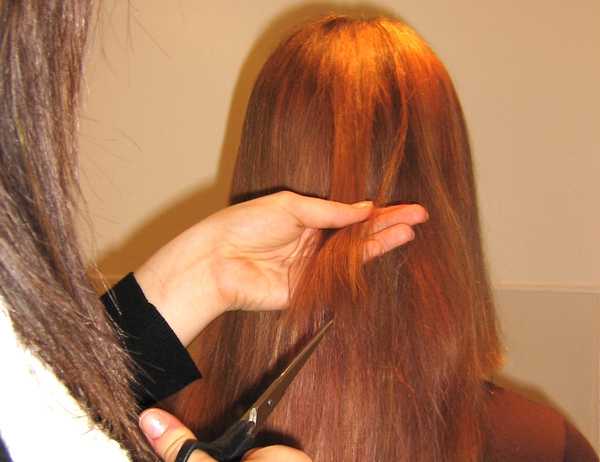
The plank. Old school. No need for a booster seat, no high chairs required. Little boys, backs too short to extend past the back of the barber’s chair knew it well. The sharp click and buzz of the clippers easily filled small ears. The lingering smell of the Wintergreen rubbing alcohol dancing past the nose. And then? The pain.
Growing up tender-headed was no laughing matter. No, most of us didn’t have to sit through the hot combs and braids, but the raking of our scalps was a different type of pain. And when our eyes spilled over with hot tears it was common knowledge to wipe them away. Flinching was a no. Lest you end up with bald patches in your head and jagged tapelines. And crying out loud was a taboo, known well. Because being a crybaby…nobody likes a crybaby.
All in the name of good hair.
We often acknowledge the struggles that Black women go through to maintain their hair. Risking permanent damage with chemicals and lengthy procedures (I have full respect for a skilled braider) all for the sake of good hair. And rightfully so. Black women’s strife and struggles often times go unnoticed.
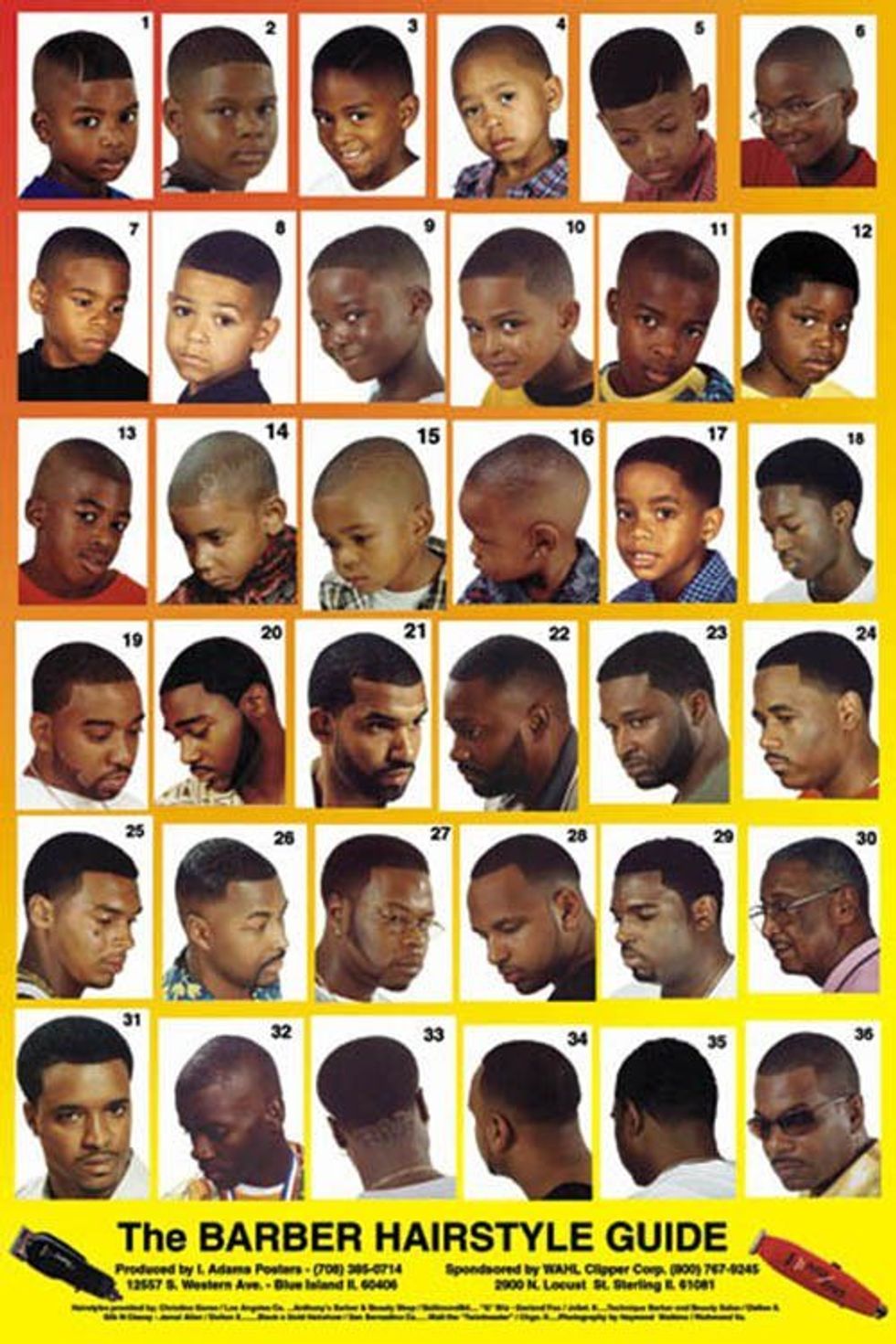
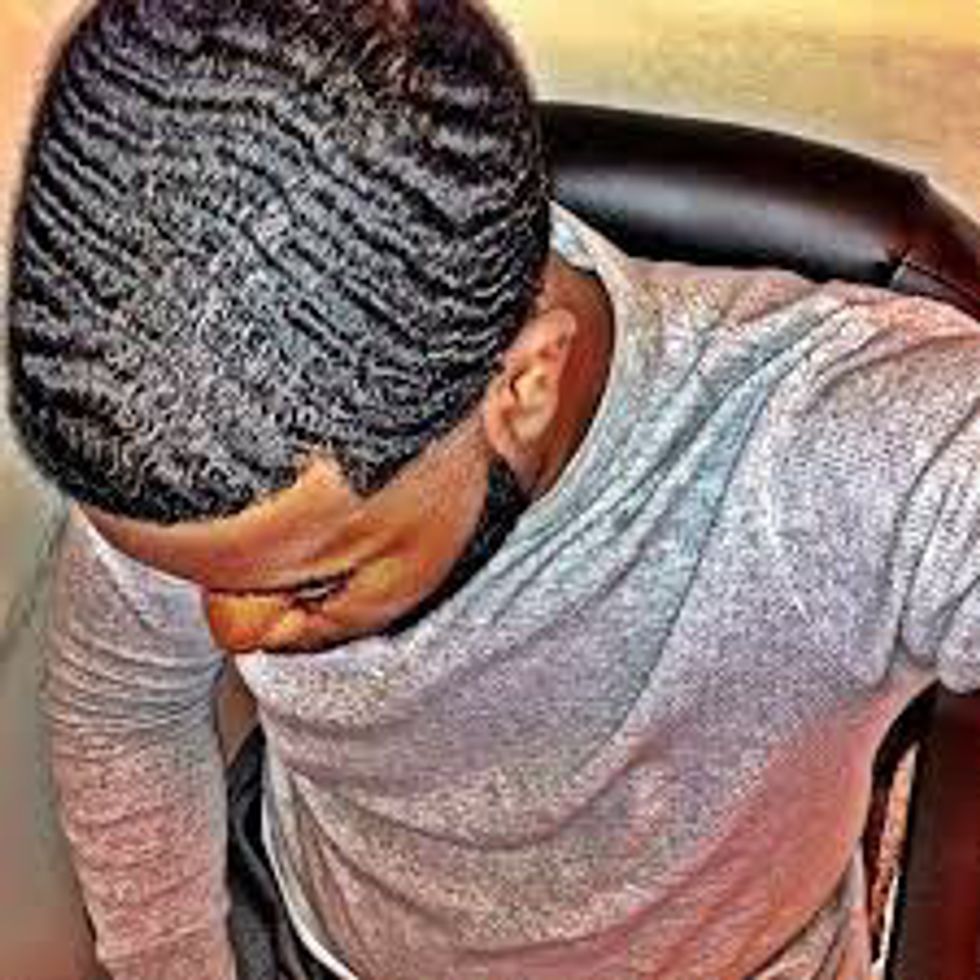
But in acknowledging the burdens upon Black women, in some instances beauty standards for Black men go unnoticed. I mean…not everyone can have “Low cut ceasars with the deep waves”. You know…the ones that Beyoncé likes? (See “Soldier” by Destiny’s Child). And there’s a long, trying road to a decent set of cornrows.
Even so, some hairstyles amongst Black men are stigmatized. Dreadlocks being the main go-to. Even within the corporate world, anything but low-cut hairstyles amongst Black men is discouraged. There is no room for personal exploration. No room for creativity. We can’t even have fun with our own bodies without getting sideways glances. It’s as if an invisible voice tells Black men, “your hair cannot extend past 1/8th of an inch if you want to be taken seriously”. Indeed, young Black men aspiring for success find that many business and marketing internships have low-cut hairstyles as a requirement, especially those catering to Black men in particular.

But when we think about the policing of bodies, we often think of body weight/shape and women’s wardrobes and hair. Let there be no confusion. Let there be no hesitation in acknowledging that Black men are also caged. In a volatile mix of racist undertones, classism, and respectability politics our hair is still policed.
Despite the phenomenal tune brought to us by India.Arie featuring Akon, we still aren’t free to explore ourselves and entertain our imaginations. No, I am not my hair, but my hair isn’t up to me. What does progress look like? It looks like CEOs, marketing executives, artists, designers, cinematographers, congressmen and presidents unapologetically donning the plaits, cornrows, dreadlocks, low cut ceasars, bald heads, and (Lord, forgive me…) jerry curls. And let us no longer fear a nappy head. That’s how our hair grows out of our heads. It can’t possibly be wrong. And I refuse to be ashamed.
Edit: Actually, the jerry curls can’t come back. We need to leave those alone.