For most of my life, I have been an incredibly picky eater. I had trained myself to fake-hate food, a term introduced to me by one of my friends, Akudo. To fake-hate a food means that you may have never tried it, or only tried it once and immediately declared a hatred for that food. I fake-hated most fruits and vegetables, blaming my hatred on texture, wetness or taste. And when I did work up the occasional courage to try something, my low expectations created a mental block, only allowing me to take one bite before confirming my fake hatred.
This past year, as I’ve started to focus more on mental health and the connection between eating well and feeling good, I started to pay more attention to caring about what I put in my body. It began with trying a new food, that I previously fake-hated, as often as possible, and letting my taste buds get accustomed to new flavors or textures.
As I started to look more into health, I read and watched documentaries about how consuming animal products really isn’t healthy. Then came the environmental aspects of veganism after watching the documentary “Conspiracy.” Growing up in Massachusetts and regularly attending a traditional sleep-away camp in Vermont, I had a strong appreciation for nature. Camp focused on things like composting and appreciating what we had instead of mindlessly harming the environment.
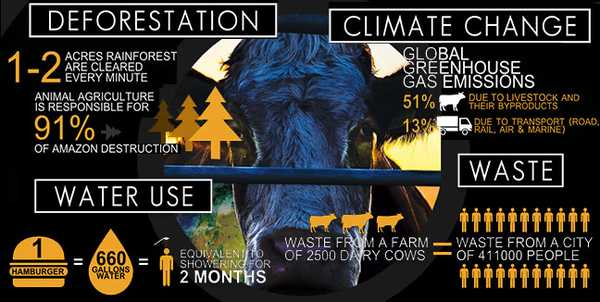
The animal factory farming industry is one of the largest contributors to global warming and world hunger. After having witnessed some of the practices in factory farming in the documentary “Vegucated,” I became increasingly interested in giving up animal products. I started to transition in February, only buying vegan grocery products but allowing myself to consume dairy or meat when I went out to eat. Then, I visited family in Morocco where I had meat and dairy every day. Upon my return at the very end of March, I went fully vegan and have not regretted it.
For me, one of the most important things is not to penalize myself. With an upcoming study abroad in Paris, I know my circumstances could change and I might have to be more flexible, in which case I’d have to adapt to a vegetarian diet. A misconception about veganism is that it is wildly expensive, and while accessibility and affordability are huge issues, that doesn’t mean that only super wealthy people can afford to be vegan. I have plenty of friends who spend more than I do on food who are not vegan. Though, as a political science major and an intersectional feminist, I do notice and take issue with some white vegans who compare the consumption of animal products to slavery, sexual abuse and attempt to convince every single marginalized person who actually can’t afford to be vegan that they can be.
So far, one of my favorite things about switching is my newfound interest in becoming more active in Chicago. I’ve begun to look into community gardening, composting, and more sustainable ways of living. Another thing is mindfulness, thinking about what I eat instead of carelessly choosing to contribute to a corrupt industry and harming my body.
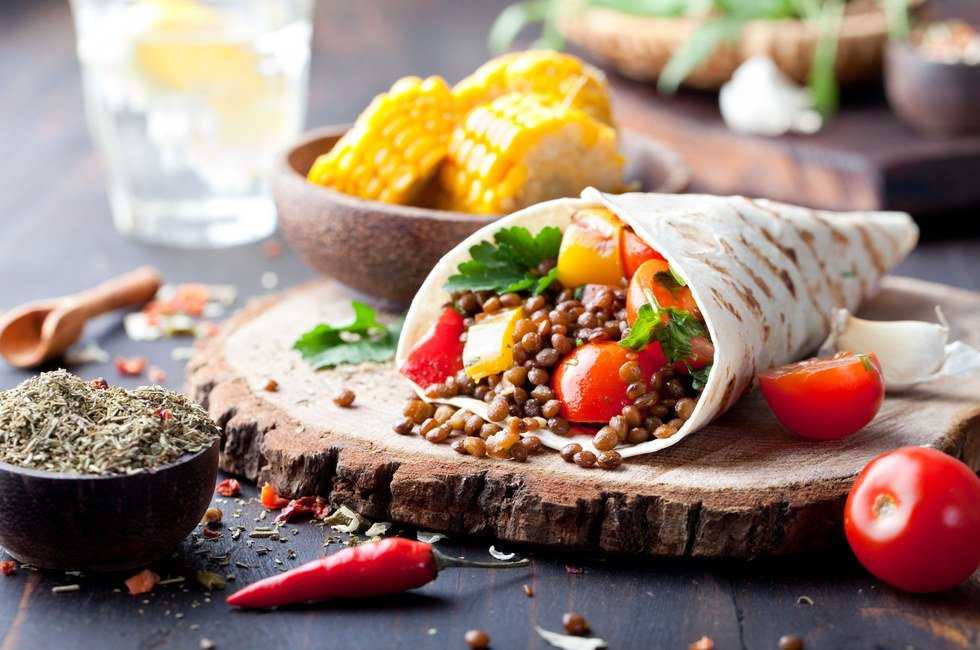
If there is anyone who has even considered making the switch, I recommend you do more research. There are a ton of great documentaries available. Check out "Vegucated," "Forks Over Knives," "Cowspiracy," and "Fat, Sick, and Nearly Dead" to begin. Then try looking into basic grocery lists, meals and replacers like almond milk, vegan cheese, tofu and other basics. There are so many reasons to make the switch to veganism but for me, it came down to helping the environment, improving health and stopping animal abuse caused by factory farming.