It is probably very well known that I happen to enjoy consuming food. Strike that, I LOVE consuming food. Honestly, I even eat sometimes when I am not hungry. But, during my mindless eating, I have a tendency to waste food. If I am sitting at home popping a bag of popcorn, I will pour it into a bowl and eat probably half. After a while, it gets cold and no longer appeals to me. Sometimes I even pick through the popcorn and take only the good looking pieces, definitely not the burned ones. Now, this is a rather large waste of food. That popcorn could have fed someone who was hungry and could not provide themselves with something to eat. Do I not have an obligation to feed the hungry and decrease the amount of consumable products I waste?
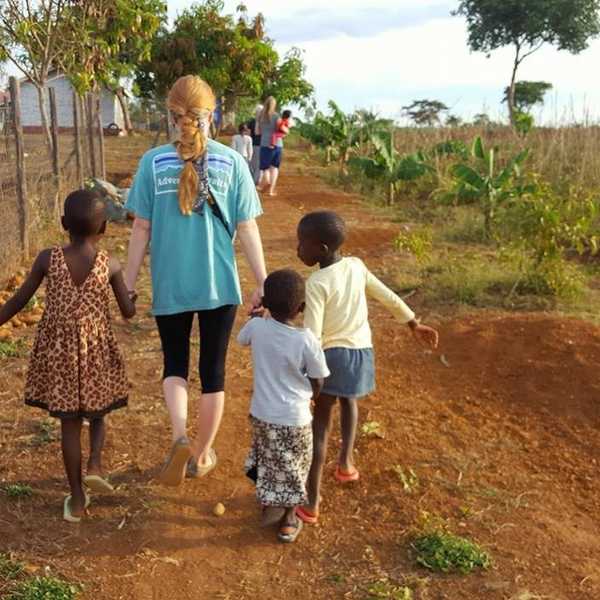
When my family travels to Ecuador to volunteer, there is one thing we never do. We do not waste food.We pay in our portioned owed to received a bagged lunch while on the work site. These lunches come with a lot of food, a lot more than anything that my father and I usually can consume. Sometimes it is even full of foods we do not recognize and would prefer not to try. It should be made known that little kids love to follow the volunteers around and will always be near the site we are working at, and it should also be stated that Ecuador is still a developing country. So, my father and I will eat a sandwich and maybe one or two other things that we are given, but then we save the rest of our meal. After we finish eating, we go around and see if anyone else has something they do not particularly want and then we venture outside.
I think the most touching thing I have ever seen is the smile a child gave me just for giving him a chocolate bar.
At the very beginning of our trip, my dad and I go to a grocery store and buy candies for the kids because while it is not the healthiest thing they can eat, the kids loves to munch on them. Their smiles while they are eating are so bright, it parallels to a kid opening a present on Christmas from Santa.
These communities we go to are poor. Drinkable water is not even available to them. But when we finish projects, they throw us amble feasts. In a community where they cannot feed themselves; rather, they are feeding the people who can afford their own food. We are given meals first; they serve us. We are provided luxury foods in their culture, and they eat the remaining foods that are just “extra."
If these people can barely feed themselves but are trying to stuff us volunteers full of food, do we not have a duty to feed them? Those who have less are always willing to give more. But those who have more are the ones who need to give more. We, as more capable citizens with resources, time, and money need to make a change. A revolution. Out with waste, and in with only making what we can actually finish.
Through all of this, I guess you could say that I believe that affluent nations should be assisting developing nations. Did you know that you can take undrinkable water and turn it into water without bacteria that will make you sick? Take a sheet of corrugated steel, a clear plastic water bottle, and the polluted water. Put the bottle full of water on the steel for 24 hours if it is continuously sunny (74 if it is cloudy), and you will have drinkable water. A process like this is inexpensive and just one small way to feed the hungry. We take drinkable water for granted. We take a lot of things for granted. Sharing knowledge like this could save lives. Reasons like these ones are why I believe we need to assist developing countries.
As an individual, I believe I have made it very clear that I believe I have a moral obligation to feed the hungry. As a child, I would raise money for a charity my dad worked with. Our goal was to raise money to build wells and buy goats and cows for people in Uganda. By building a well in a village, many people would be able to have access to something to drink. By raising money for goats and cows, families could have milk and breed their animals. By breeding animals, they could provide a source of food or a source of income for their families.
These people would give you their only cow if you assisted their village, provided their children with a chance for an education. So, how can it not be my personal duty to feed them?
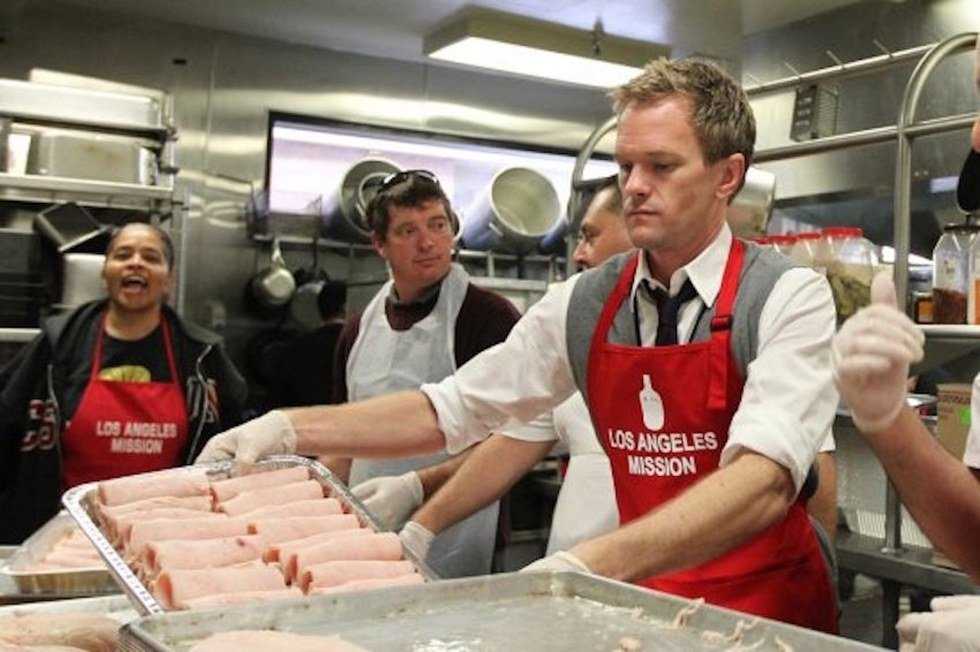
I do not believe that I make a distinction between people who are close by versus people who live far away. I do a lot of charity outside of the United States, but I also do some within. My family and I donate food to the food pantry for every holiday and I have assisted in putting together care packages with food in them for “midnight runs.“ Our activism is greater outside of the country because there are countries where is it almost exclusively poverty and the United States has a lower rate of poverty and hungry people.
I believe that a problem in the United States with people being hungry is that healthy and filling can be quite expensive. The only foods that are lower in costs happen to be junk food. If people in the United States can only afford food like this, they are going to be hungry. Maybe the first change we make to feed people within our own country is making healthy and substantial food cheaper.
If life were like my popcorn bowl and people were the popcorn, which ones are the burnt kernels I am throwing away? Maybe instead of discarding those who are in need, we do not throw them away. We assist them and help to sustain them.