
Just the other day, I saw a video clip that a few of my Facebook “friends” had shared that really sparked an interest for me, concerning the upcoming election, political debates, propositions, and new laws. Ideals, beliefs, and values are continually changing and that is evident in the way we vote politically. Most of these initiatives are negative campaigns (also known more colloquially as "mudslinging," is trying to win an advantage by referring to negative aspects of an opponent rather than emphasizing one's own positive attributes or preferred policies) and more times than not the negativity is regarding old ways of thinking that are not up-to-date with the current generation’s.
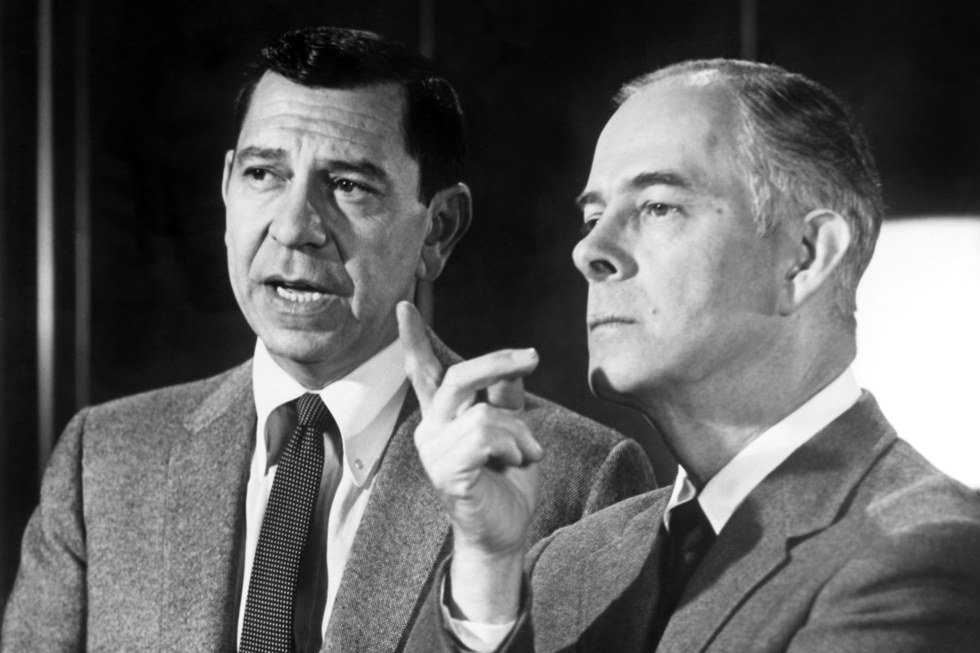
The following quotations are from a from Dragnet (also known as Badge 714) Episode 42 - "The Big Departure" (aired March 7, 1968).
To watch the full scene, click here. P.S. I recommend watching it, as it is only three minutes long.
MOBLEY: You just don't understand.
FRIDAY: Maybe we do, son. Don't think you have a corner on all the virtue vision in the country or that everyone else is fat and selfish and yours is the first generation to come along that's felt dissatisfied—they all have, you know, about different things; and most of them didn't have the opportunity and freedoms that you have.
GANNON: We've done quite a bit of fighting all around the world. Whether you think it was moral or not a lot of people are free to make their own mistakes today because of it. And that may just include you.
With every new generation we think we know better and are better than the generation before us. We believe that somehow they can’t possibly understand the change and progress that our generation is fighting for, because we view them as old-fashioned, hard-headed, sticks-in-the-mud. Each generation has historically been gung-ho for different injustices at the time, our current situation is not the most revolutionary, just different from those before us. The difficulty is also that each change it is difficult to predict all of the positive and negative outcomes of the future. It is a chain reaction. For instance, communication has improved from snail mail to smartphones. This is a positive change as far as instant connection goes but a negative change since we are addicted to our mobile phones.
FRIDAY: I don't know; maybe part of it's the fact that you're in a hurry. You've grown up on instant orange juice. Flip a dial—instant entertainment. Dial seven digits—instant communication. Turn a key—push a pedal-instant transportation. Flash a card—instant money. Shove in a problem—push a few buttons—instant answers.
But some problems you can't get quick answers for, no matter how much you want them.
Although these examples are over 40 years old, this quotation speaks to the issue of instant gratification and impatience that plague our generation today. When there is a problem, we seek an instant solution, and if one is not found quickly, we soon forget there even was a problem in the first place--until the passion is initiated again by another related occurrence. We become uninterested because of our short attention span. There are more situations that do not have a quick end-all-be-all answer than those that do.
GANNON: Don't think we're telling you to lose your ideals or your sense of outrage. They're the only way things ever get done. And there's a lot more that still needs doing. And we hope you'll tackle it.
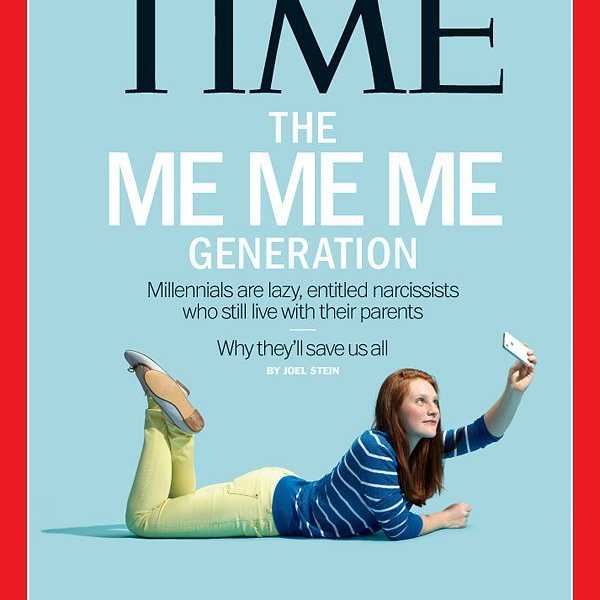
Our passion for justice and longing for morality are not bad things, in fact they are what make us human. The world is not perfect, but we’ve made progress. There is still evil and injustice; we aren’t the first to fight for human rights and equality. Past generations wanted to better humanity as a whole, whereas we seek to better the lives of individuals; Their motivation was to better it for us, for our generation. Now, we accept all of those betterments becoming narcissists and spoiled by privileges that we consider the norm. We feel that these things are owed to us disregarding the fighting our parents did to get us to this point. At the very least, consider them instead of just dissing them.
We have advantages that they weren’t given at the time, are we using them wisely? Back then, inventions were for impacting and bettering the welfare of society, but now our inventions are for comfort and luxury.