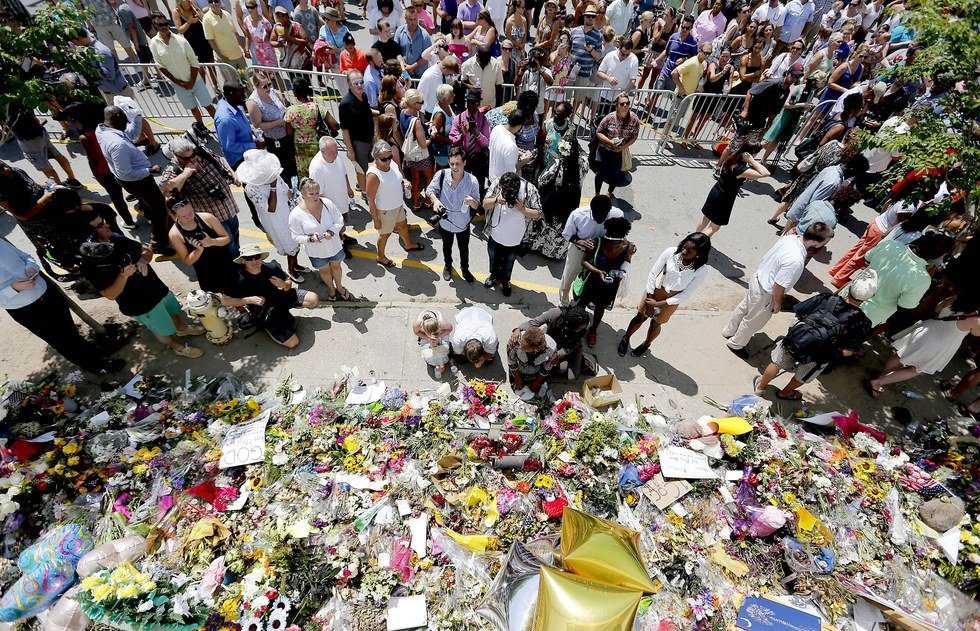
On the evening of June 17, 2015, 12 individuals gathered for a weekly prayer service and bible study at the historic Mother Emmanuel AME. This 200-year-old church serves as a home to many and has greatly contributed to the history of South Carolina, particularly during the Slavery and Civil Rights era. Mother Emmanuel represents a place of safety, comfort, reassurance and family to the many people that walk through its doors… similarly to many places of worship throughout the country.
Each individual walked into Mother Emmanuel that evening had different stories. They were from diverse backgrounds, ages,careers and uniquely different lives. Amongst the group was someone who stood out. Physically, he did not look the same as anyone else in the predominantly black church. He was a young white man who was unaffiliated with the church. Although this man was not known by the others, he was fully embraced and welcomed into participating in the bible study. The church members joyfully proceeded in their Bible study and prayer service in the presence of their visitor. The amount of love shown to this unfamiliar face was strong, so strong that he reconsidered his thoroughly planned intention as to why he walked into the church doors that evening. As heads were bowed for prayer, 21-year-old Dylann Roof stood up and removed his .45 caliber pistol from his fanny pack, then proceeded to take the lives of nine parishioners. Two others survived the shooting by pretending to be dead, and one was spared by the young murderer so that she could later describe what happened. This shooting is documented as one of the largest shooting in a place of worship. Roof’s purpose behind his massacre was clear, he desired to ignite a race war. What happened on June 17, 2015 was a hate crime.
As the daughter of a pastor, my church served various functions. It was where I ate breakfast on Sunday mornings. It was where I did my homework many days of the week. It was rehearsal space for youth choir and praise dancers. Finally, it was home to bible studies. Many church buildings are often unlocked, open areas for anyone from the family who’s been attending for 20 years, to the person visiting just simply in need of prayer. For some churches, this openness displayed often reflects hospitality and welcoming to anyone.
As someone who has attended church regularly my entire life, I never imagined the church as a scene of violence. However, during my lifetime, casual facilities such as malls, movie theaters, night clubs and educational settings all designed for peaceful purposes have been transformed into chaotic crime scenes with mass deaths due to the acts of anger and hate of someone who has somehow obtained a gun.
For many people, a tragic event such as the shooting at Mother Emmanuel, results in personal prayer and reflection. For others, these horrific matters lead them to adopt symbols that express their sadness and outrage. We’ve seen it all over Facebook, the abundance of loving sentiments from the hashtags to the temporary profile picture changes. These acts bring many people a feeling of comfort and unity during the days following a tragedy. Many people who are uninvolved take these steps to express feelings of sorrow before returning to their everyday lives. In addition, a variety of views on gun control are shared over social media. Eventually, we slowly stop discussing the issue on a regular basis. This cycle repeats itself during every mass shooting. I’ve noticed, via Facebook, that generally the opinions shared by people remain the same. Yet, here we are as a country, a year after the hate crime at Mother Emmanuel and mass deaths from obscene gun violence continues.
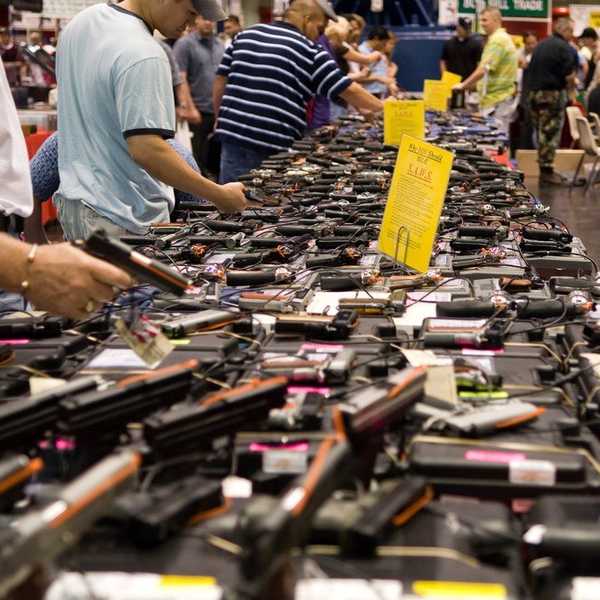
According to MSN, America has had more than 550 mass shooting deaths in the past year since the shooting at Mother Emmanuel. That averages to more than one mass violent incident per day. Over the past year, not much has changed to the ways guns are treated in America. No legislation has been passed by congress that addresses gun control and possession. Views on gun control remain very divided as many on the left believe that stricter gun control is the answer while those on the right fight to “defend the Second Amendment” and their perception that it gives them the right to own any kind of weaponry they deem fit. This division makes it difficult as a country to try to prevent mass shootings, much less even discuss such prevention particularly in the wake of the Orlando shooting at Pulse night club which resulted in 50 people dead and 53 injured.
Presidential candidate Donald Trump has repeatedly suggested that our problem is not guns, but the people who use them. Of course by “people,” he means Muslims. Even the National Rifle Association’s executive vice president Wayne LaPierre stated that the organization would not change its stance on gun control. He went as far as to recommended that Americans actually buy more guns, because terrorists are “on the verge of overwhelming us.” However, when looking closely at mass shootings, very little of the shootings involved radicalized Muslims. With Trump trending in the 2016 election, his supporters are inflating the idea that Muslim Americans are the problem, not the lack of gun control laws.
It’s fair to suggest that what happened on June 17, 2015 in Charleston could have been prevented with a mental health background check prior to Roof’s gun purchase, although such checks are currently not a requirement under federal law. At this critical time in the life of our country, Americans would really do well to engage in serious and formal community-wide discussions on what has occurred as such could help us to develop an impactful solution to end senseless gun violence. While prayer is important to many, now is the time for us to show courage and boldness in talking with our neighbors about controlling access to guns, and how we may resolve tension and conflict through non-violent means. Despite the restrictive and dismissive attitudes and votes of certain elected officials, candidates, parties and citizens, I believe we are strong enough and mature enough as a people to engage in creative dialogue with our neighbors. After all, given the rates of mass murder our nation is experiencing, our lives may very well depend on it.
550 Mass shooting deaths and counting. Will we see an end to this in our lifetime?