With all the presidential election debates, there have been a lot of talks about the possibility of a free college education, or one that is at least debt-free. And quite a few people are happy about it, the thought of a free college experience, permanently eliminating the term "broke college student." So conversations arose between my friends and me, and while at first glance this might seem like a good idea, if one really thinks about it, is it really beneficial?
While the average college student views this as all positives, when you actually analyze it, it could have negative repercussions in the future, like financial responsibility. Yes, we would leave college with no loans on our back or a depleted bank account, but we might have some other consequences. For example, talk to any adult about paying bills and budgeting, and they'll tell you that they learned everything they know about everything money-wise at a university. From figuring out their book prices to paying for a meal plan, an "all-inclusive plan" would just eliminate the self-sufficiency that you can't learn in the classroom.
Responsibility isn't just setting your alarm in the morning, or turning your essay in on time. It's understanding that something valuable comes at a price, and that education has a cost. There's also the argument that to really earn something, you have to pay for it. We all know the saying: there's no such thing as a free lunch. So why should people go to college just because it is financially available? Yes, there's still an acceptance rate, but we all know that some universities are easier to get into than others, and I'm a firm believer that not everybody is mature enough to handle college. Maybe it's not for everybody.
Also, in the midst of having discussions with friends and coworkers came a good point: what encourages students to keep up their grades, besides the obvious first job, is scholarships. GPA coincides with money for a lot of students, and if you take away the need for money, the motivation for good scores also diminishes.
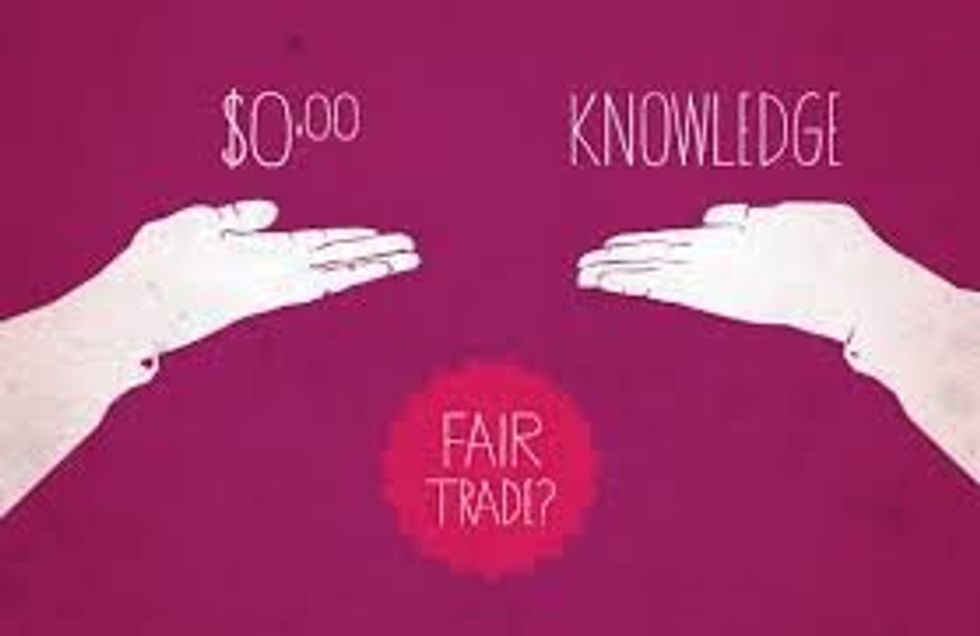
Another argument brought up was the payment of teachers and upkeep of the university. How would our professors do research and teach us without getting taken advantage of? They would be handing out valuable information while not really getting anything in return. College life would also be non-existent, because with no funds to back up the clubs and events, universities really wouldn't thrive outside of lecture halls.
But on the other side may lay the strongest argument: letting us have a free education may inspire a new generation of people who never had that option to begin with. Kids who couldn't afford college because of the cost will now have the opportunity to bless the world and especially the U.S. with their skills and knowledge. And that right there is priceless.
No matter what side you're on, it all comes down to a matter of perspective, weighing the pros with the cons. It could go either way, really, relying on the individual responsibility of the person, who could spin this to their benefit, and really help the United States move forward.
Will this potential new law give Millennials an opportunity to change the world, or just take advantage and waste a free education? It all depends on the person; will they move the nation forward or deplete funds? If college is so easy to obtain, does it make it more valuable or less so? These are all questions that no one has the answers to, but only with time and trial will we figure out if this will give us whiplash or reward us with the world's greatest and most inspiring new minds of this generation and the next.