
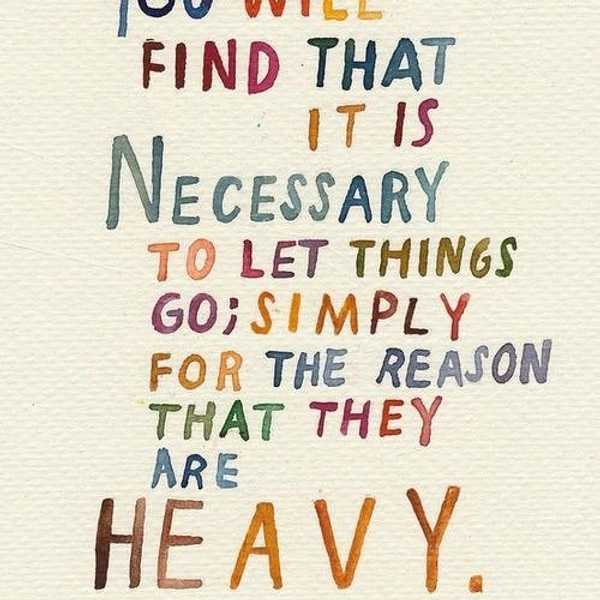


While I was growing up, I constantly felt that the world was against me. It’s not like I had the easiest childhood but in reality, who has had an easy childhood? Some have it worse than others but is all affects us differently, anyways. That’s off topic, though.
I found myself blaming multiple people in my life so that I have a place to direct my anger. With each new event that kept spiraling towards me, there was another person being blamed. I had a lot of pent up anger, and I would take it out on anyone around me.
For the longest time, I blamed my mother and father. I blamed my father for leaving, and my mother for not being well enough to take care of me. I blamed my family for being enablers rather than supporters, but most of all I blamed myself for being too young to change any of my circumstances. Sure, I could scream, cry, claw my eyes out, but that wouldn’t have changed a thing.
There was one time on my 12th birthday that I broke down in front of my mother and blamed her for everything. I blamed her for her past, and I blamed her for breaking our family apart. I blamed her for leaving me alone, and I blamed her for all the pain that was in me. Eventually, all I did was take that blame and then pushed it upon myself: If only I had said something, or if I had helped her more, then maybe we would still be a family. Maybe it all would have been OK. Quick note to all of you: No matter what the situation is, never blame yourself.
As I got older, though, I realized she wasn’t to blame. In fact, no one was to blame, not my mother, not my father, not my grandparents, not my uncles, and most of all, not myself. It took a long time to realize that nothing came out of blaming yourself and others.
Over time, I learned not only how to forgive all those I blamed, but I figured out how to forgive myself; over time, I realized that there was no one to blame and that I should just forgive and move on. Making that decision sure helped get rid of that panda-eye look I was rocking for a few years.
Whenever we’re faced with a drastic situation that we’re not sure how to face, our first course of action is to blame the other—especially when we’re not actually ready to face the situation head on. We would rather absolve all blame and direct all of our anger, frustration and sadness onto another person. Some of us move on, but others hold onto that grudge for years.
What a lot of us don’t do is stop and realize that there is no need to harbor those negative emotions for years; there’s no need to blame someone else for a situation that in a few years may not even matter. Forgiveness is not only for the other person, or people but for yourself as well. When you forgive someone, you give them a chance to move on, but you also give yourself a chance to move on. No one is saying to forgive and forget, but you can forgive and take it all as a lesson.
When you take the time to forgive someone, you wonder why you were even mad in the first place? Was it even worth it to be mad for so long? Chances are, you’ll answer with no. You learn to take those negative emotions and turn it into something positive. You gain courage and realize that no, not everyone is a horrible person, and you won’t feel this lingering urge to expect nothing but the worst from new people you meet.
And at the end, always remember to forgive yourself. Nothing is worse than carrying the burden of a situation you may not have full control over. Sometimes you make bad decisions, and that’s OK. Sadly, blaming yourself won’t change the decision made or the outcome. But forgiving yourself and learning from your mistakes will definitely help you avoid making the same mistake again.
I would say another word, but situations happen in life. How you choose to handle the situation is totally up to you, but wouldn’t you rather leave a situation happy or with the best scenario possible? Anger isn’t just bad for your health, but your skin as well.
Life goes on, and so should you.

















