

Over the summer, I had a rather short-lived (and uneventful) internship at a small company that makes its business selling essential oils. Surprisingly, as an unpaid intern, my job was not to run back and forth to get coffee for the other employees, but rather to edit a slideshow. This particular slideshow consisted of over one hundred slides. The slides themselves were long and written in Traditional Chinese--all of them had to be transposed into Simplified Chinese. As I worked through the slides, I noticed a disturbing trend: the claims expressed on them were slowly but surely becoming more and more ludicrous. As the presentation progressed, essential oils went from being able to treat slight headaches to being able to prevent (and even cure) cancer.
What are essential oils? They are, in essence, oils made by extraction or distillation from certain plants. They are known as “essential” not because they are important, but because they are made from the "essence" of a plant. They have many different uses, including perfumes, flavoring, soap, and most importantly, medicine.
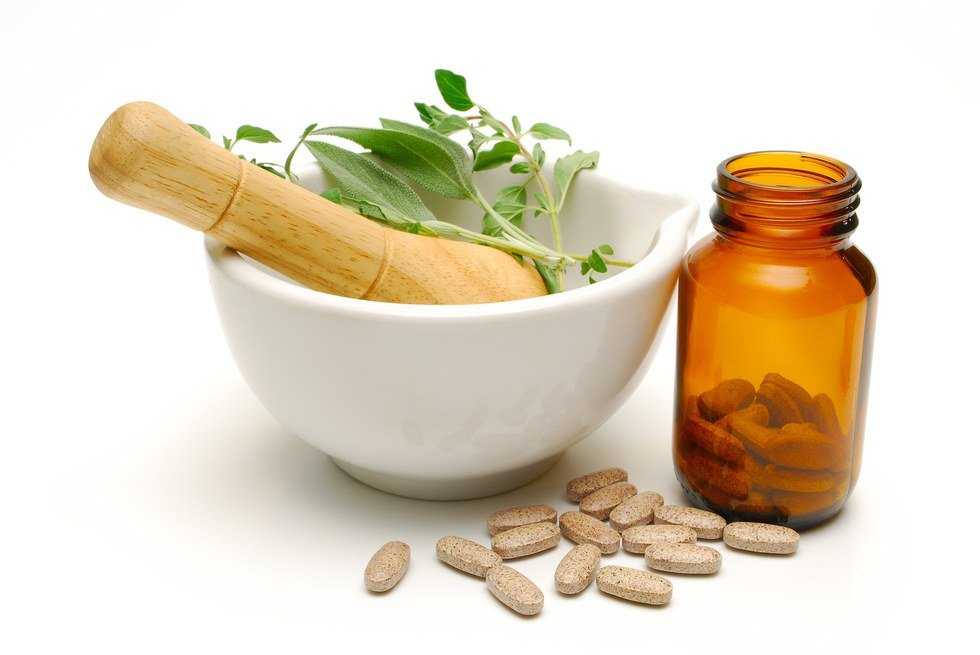
Taken as medicine, an essential oil may be inhaled, injected or placed on the skin. Essential oils are believed to possess certain curative properties, aiding in sicknesses such as stomach flu, migraines, colds, wounds and cancer. Despite what many may believe, however, there is very little substantive scientific evidence for the effectiveness of essential oils. All justifications for its effectiveness can be found in historical accounts. In other words, it remains a pseudoscience alternative medicine.
It may be hard to believe, but there was a time when people didn’t believe in germs. Of course, it was also in those days that people thought it was okay to drop a couple of worms onto themselves or stick dog poop into their wounds. It took centuries, and many advancements in science and medicine to help people come to terms with the blatantly harmful effects of drinking mercury. Notwithstanding this, traditional medicine including herbs and oils still remain.
So, despite recent innovations in the medical field, why is it that we still have an almost fanatical fascination with alternative medicine? Essentially, people are still willing to throw out forms of medicine that are scientifically-proven health aids, over some plant juice. We live in an age that people can refuse treatment due to a silly belief that it causes autism--is certainly a dark time when we place more trust in a television celebrity than our doctor.
In the end, is there really an issue with using essential oils? No. In fact, some studies do demonstrate that certain oils are capable of preventing certain types of pathogen-induced illnesses. The only major problem with essential oils arises when they are taken more seriously than modern medicine, or "wonder cures" that make mainstream medicine appear useless of even untrustworthy. If you have cancer, it is not a good idea to put your faith in an alternative medicine that has only been purported to work at times. You need chemotherapy, surgery, and radiation treatment-- not oils from some grass in your backyard.
Please, take this into consideration. Alternative medicine can be fine, but it should not take priority over what your doctor says.