Last January I returned to New Orleans for the first time in two years. After spending my undergraduate years in the city, I felt I could still walk from Frenchmen St. to Audubon Park blindfolded; but this time, I was back to see a place I hadn’t seen before, the Vietnamese-American community of New Orleans’ Little Saigon, known in this town as Versailles.
I came to Versailles in preparation for my own journey to Vietnam, a journey to understand my father’s past as a soldier in the jungles west of Saigon 48 years ago.
Two Changing Landscapes
Within two years of the withdrawal of American troops from South Vietnam by President Richard Nixon, the North Vietnamese Army overran its Southern neighbor. By the time the capital city, Saigon, fell on April 30, 1975, thousands of Vietnamese fled on planes and boats, hoping to reach the United States. Many thousands more would follow, and a great many would never make it out.
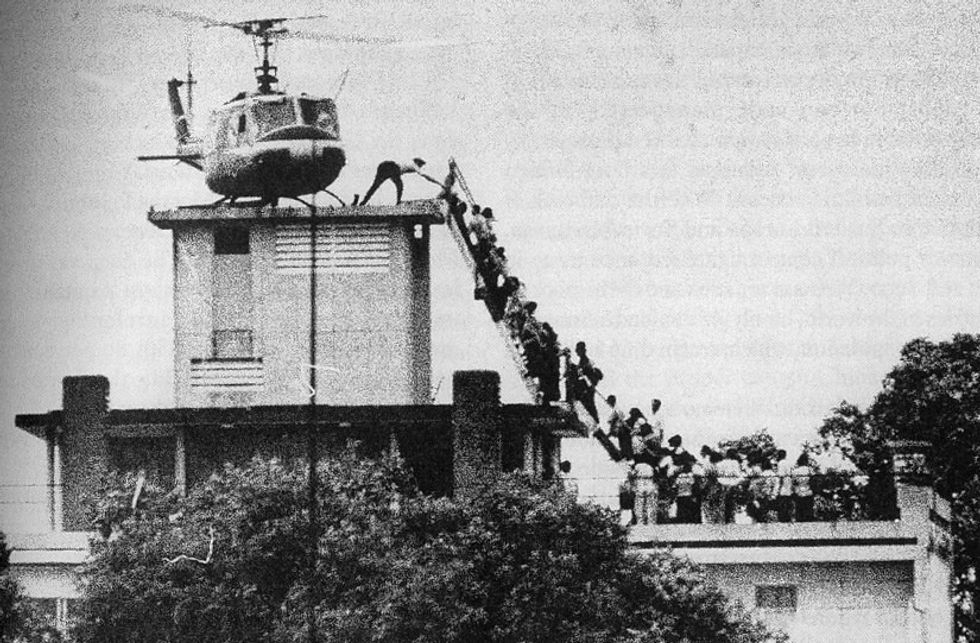
A patch of wilderness in New Orleans East soon became the adopted homeland of a large group of Vietnamese refugees sponsored by Catholic Charities, the thinking being that the climate there is similar to that of your average South Vietnamese village. Today 14,000 Vietnamese-Americans live in greater New Orleans, and in 2009, New Orleans voters sent Joseph Cao, the first Vietnamese-American congressman in U.S. history, to Washington.
Just as the people of Versailles have built a new life in that little slice of America, so too have the Vietnamese of Ho Chi Minh City, formerly Saigon, rebuilt their lives, now under a unified Vietnam ruled by the government against whom many in Versailles once waged a painful and long struggle. And at age 19, when some Americans were beginning their freshman or sophomore year of college, my father went to Vietnam to fight communism, and returned home a changed man.
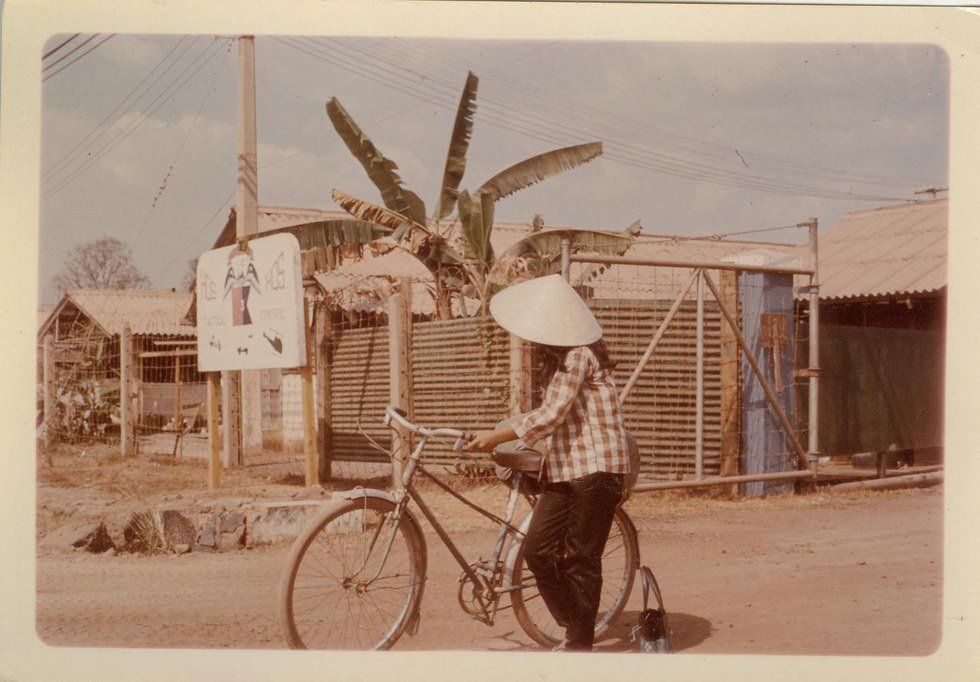
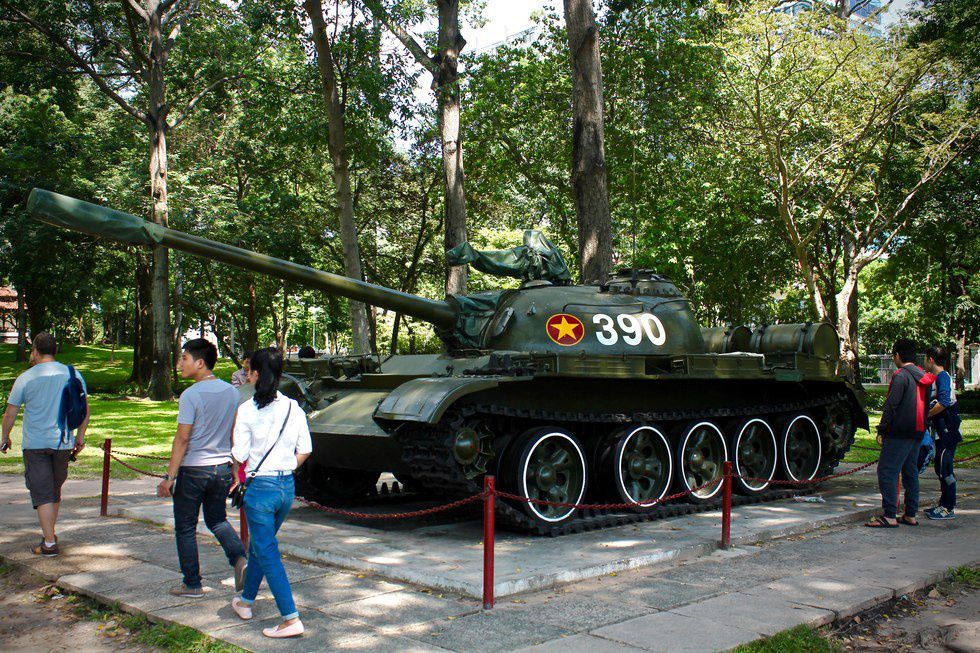
Taking a motorbike down busy boulevards of Ho Chi Minh City lined with American fast food, knock-off Apple stores, and a handful of Starbucks cafes, the passing backpacker will have to dig a little deeper to find the remnants of war. A few museums in the city sport lawns filled with American and Chinese tanks, Huey helicopters, and F5 fighter jets behind tall spiked gates. Saigon’s centrally located Presidential Palace, once home to the American-backed regimes and military juntas of South Vietnam, is now a museum, a time-capsule from the ghost of a dead nation. And an hour’s drive west of the city, the curious tourist will find the Cu Chi tunnels, where one can shoot AK-47’s for $1.50 a bullet and follow young soldiers dressed in historical Viet Cong garb through underground bunkers, now expanded to fit plus-size visitors. In the summer of ‘68, my dad and his platoon walked above these tunnels, searching for an elusive enemy that they only encountered in brief minutes of terror and violence.
There’s something else I’ve come to Vietnam to find, a group of individuals you won’t encounter in the Vietnamese quarters of American cities. I came to Vietnam looking for those veterans who fought against the United States. And more specifically, I came here to find the men and women who fought in a legendary Viet Cong battalion, the same battalion that my dad’s platoon tracked for months until the two groups came face to face in a violent showdown six weeks after the Tet Offensive, a brutal end to a brutal game of cat-and-mouse.
“Tell Them I Love Them”
Most American vets I’ve spoken with have expressed empathy for their former enemy, even a desire to break bread with them and make peace. One of my dad’s closest friends from the war, who has struggled all these years to overcome his post-traumatic stress, told me that if I found these old soldiers in Vietnam, there was just one singular message he wanted me to deliver. “Tell them I love them.” And I know he meant it.
After many months of searching, I have found veterans from the other side, and it was with surprise and joy that I learned their response is an identical one. A desire to make peace, to forgive and forget, and even to reach out, 50 years later, and extend a hand of friendship, both for themselves and for the collective future of our two nations.
For many Vietnamese-Americans, returning to their ancestral home has brought about new discoveries, new friendships, and a greater feeling of compassion and reconciliation. For many of their parents or grandparents, it was a war too painful to forget and the suffering they experienced too great to forgive.
But for the American soldiers who fought in Vietnam and are now entering their golden years, I hope that they will return again and see what has changed. I hope they will walk the streets of Saigon and discover that this new era of Vietnamese-American investment, alliance and influence is proof that their friends did not die in vain. I hope too that they will meet and interact with Vietnamese young and old, and gain more insight and humanity as they engage the Vietnamese people in a way that they couldn’t in during war.
And perhaps, this conflict now four decades behind us, they may even seek out their old foe, and together break bread, share the past, and look to the future.