
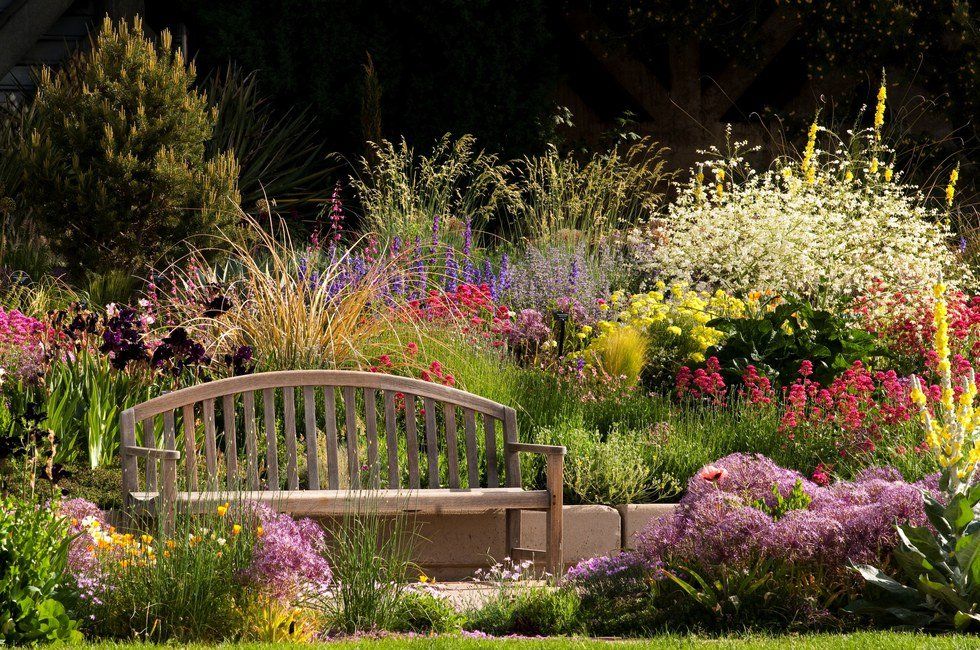
When I was young my mother worked in a flower shop, and I grew to love and appreciate flowers, and plants in general. So, since spring is just around the corner, I thought I’d share my love of flowers and showcase the flowers of the world.
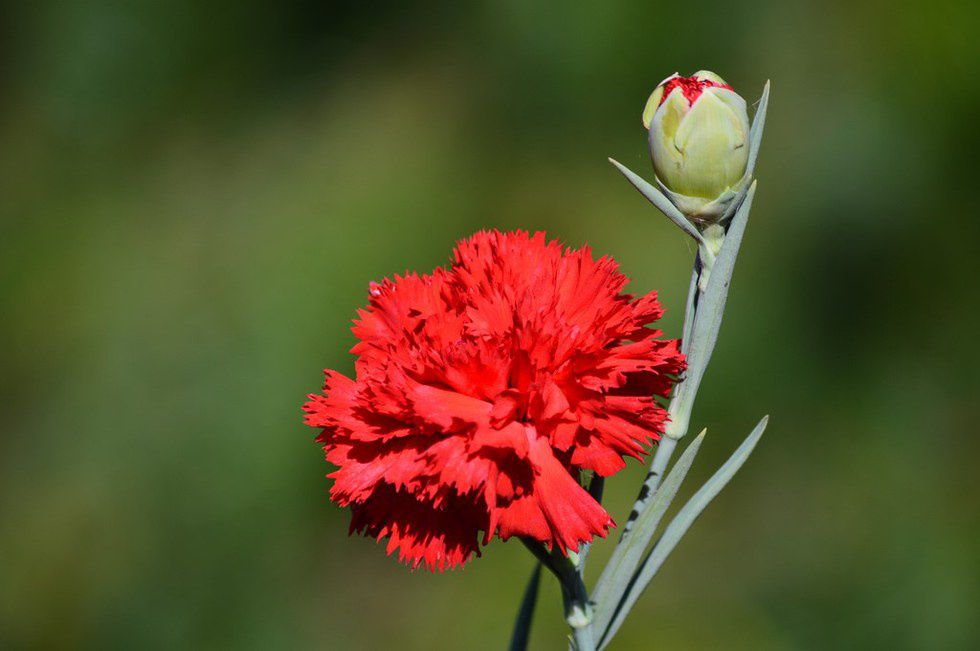
Most states in the U.S. have a state flower. Ohio’s is the carnation.
But I thought we’d widen our horizons to flowers of countries.
Starting with the U.S., whose national flower is the Rose.
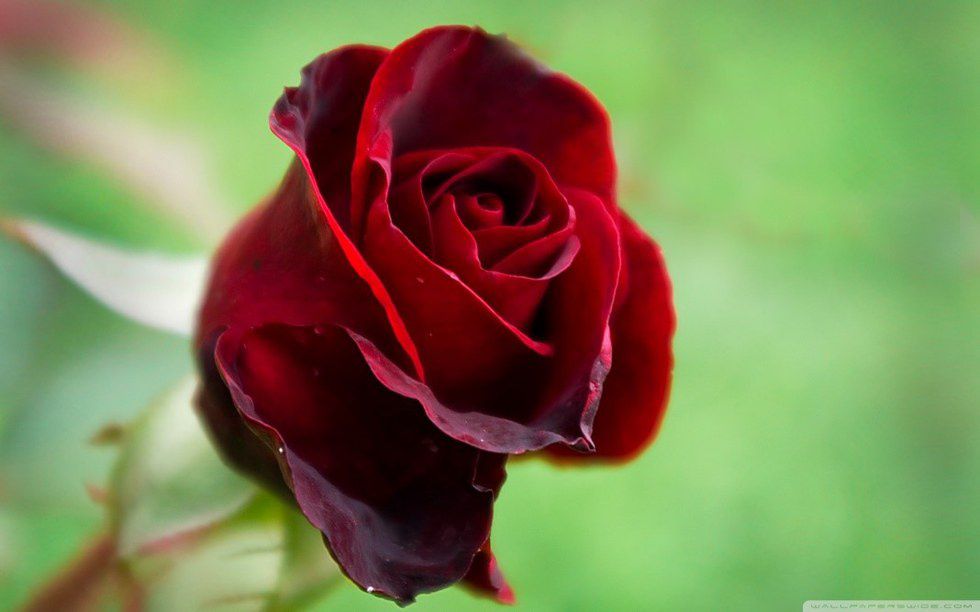
One of the most iconic and well-known flowers.
Next up is Australia with the Golden Wattle.
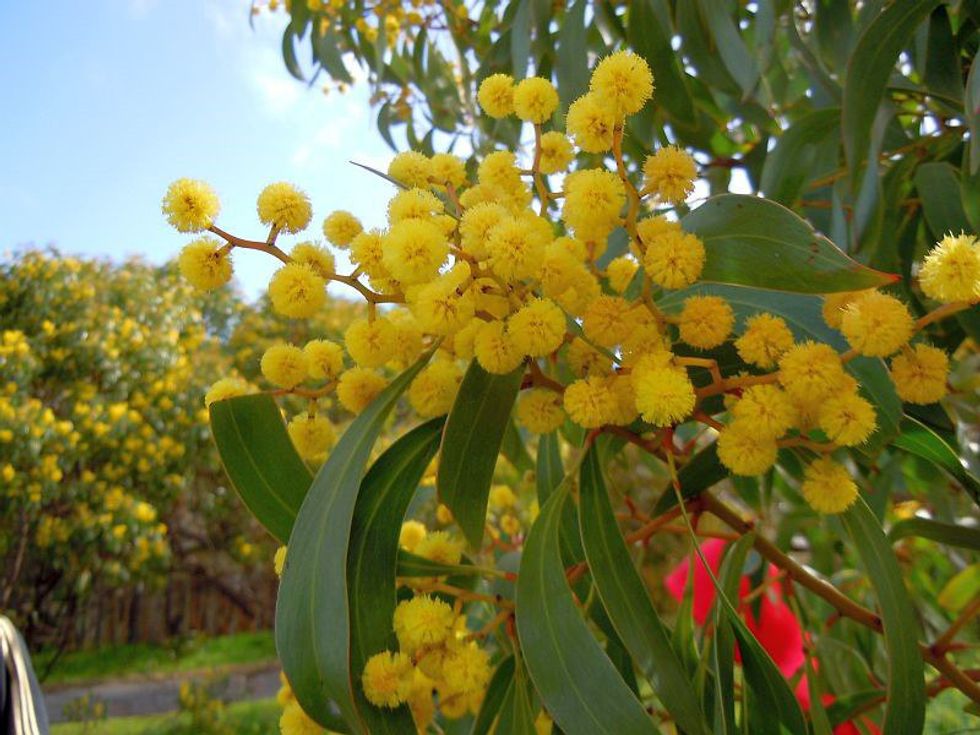
I’d never heard of a Golden Wattle before, but they remind me of dandelions (which are actually a weed).
Argentina has a unique flower called the Ceibo.
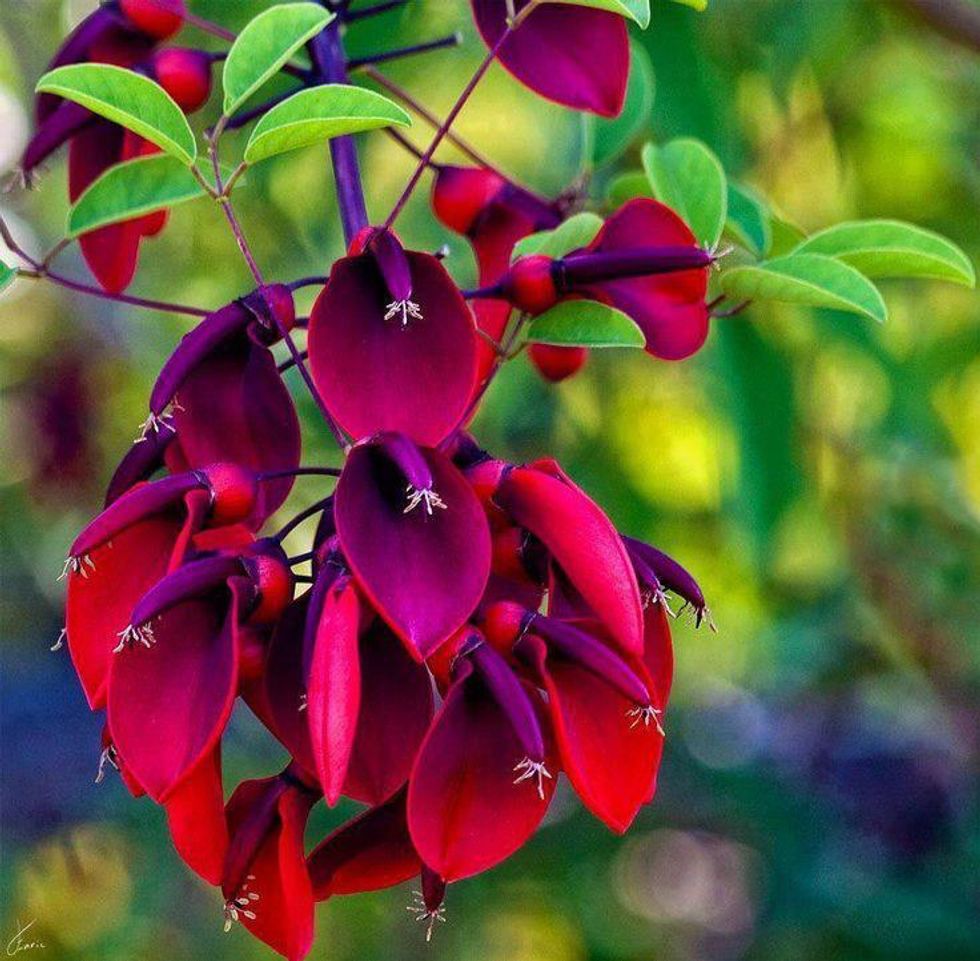
The country adopted it as the national flower in Dec. of 1942. It’s quite the odd bloom, but beautiful none the less.
Austria is next with the Edelweiss.
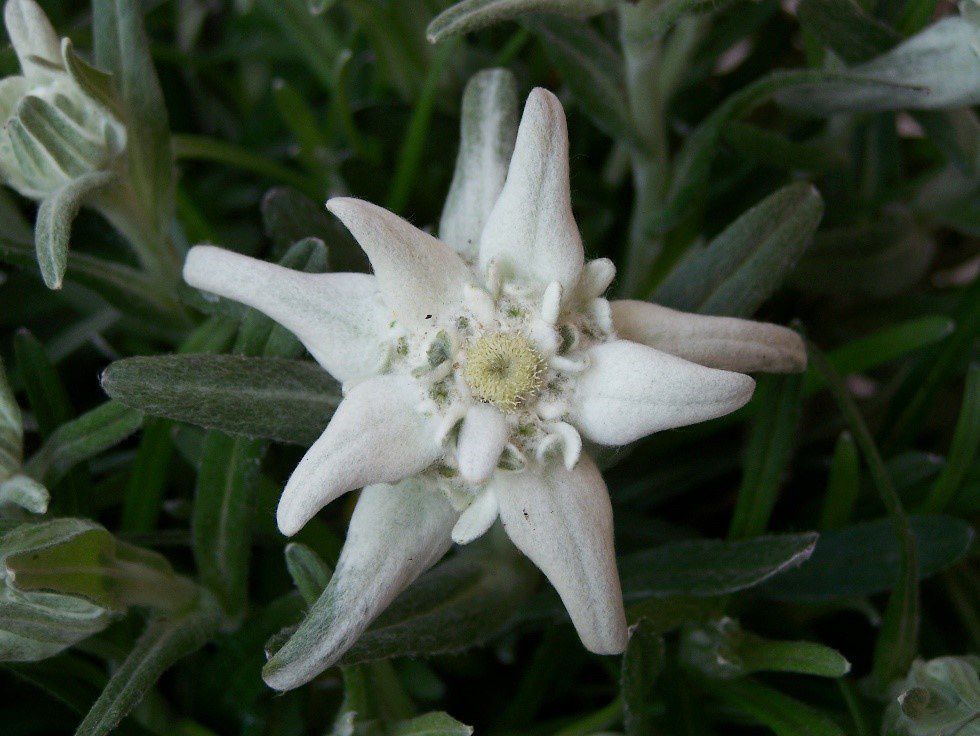
They’re known for their shape, a star. Looks more like a star fish out of water to me.
Belgium’s you’ve probably seen before, the Red Poppy.
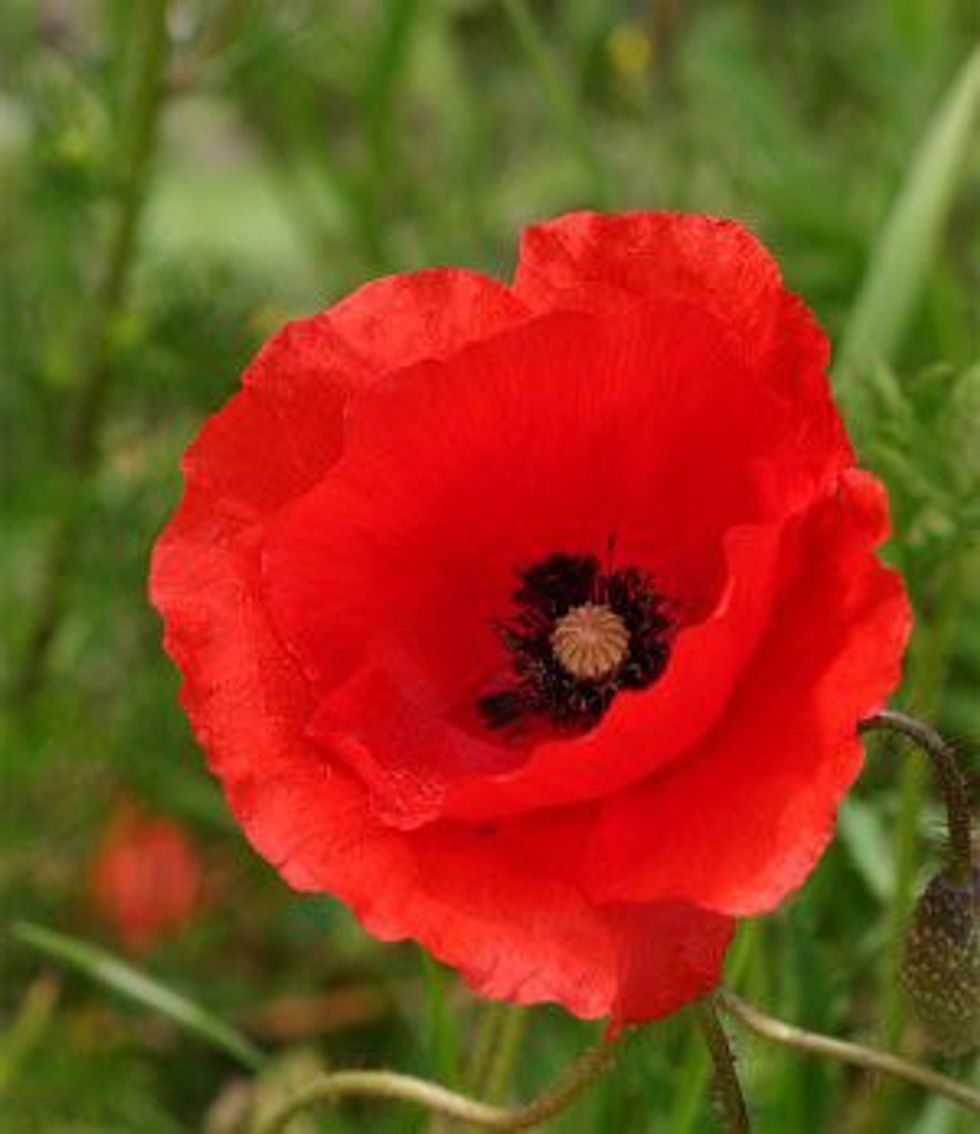
It’s one of the most common wildflowers and easy to grow.
Brazil’s national flower is the Cattleya Orchid.
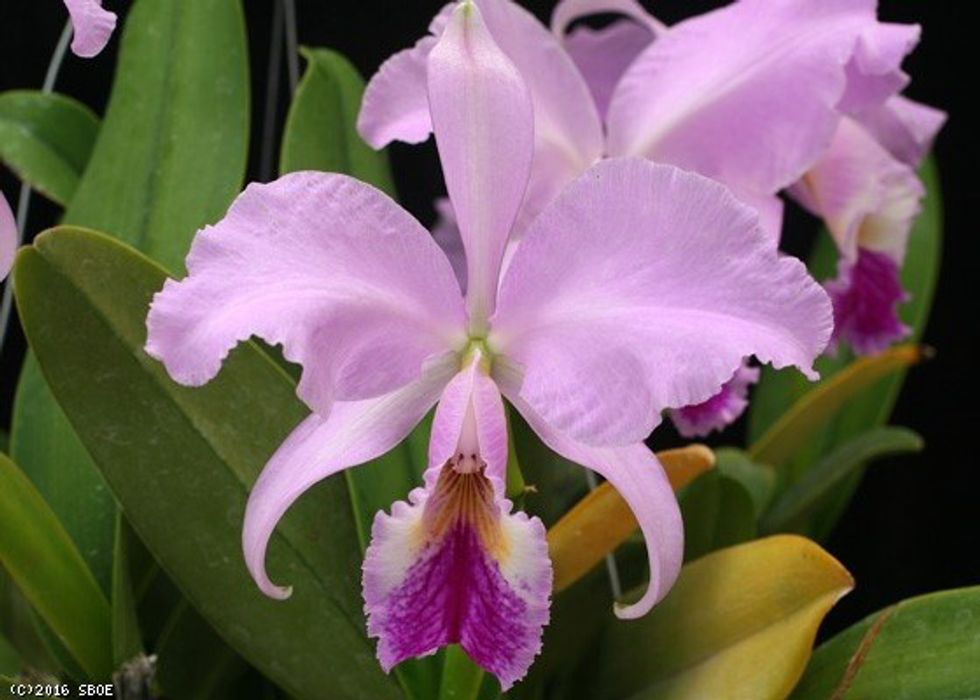
They’re used often in flower arrangements and corsages because of their pleasant aroma.
Now, Canada pulls a classic Canada move with the Maple leaf as their national flower.
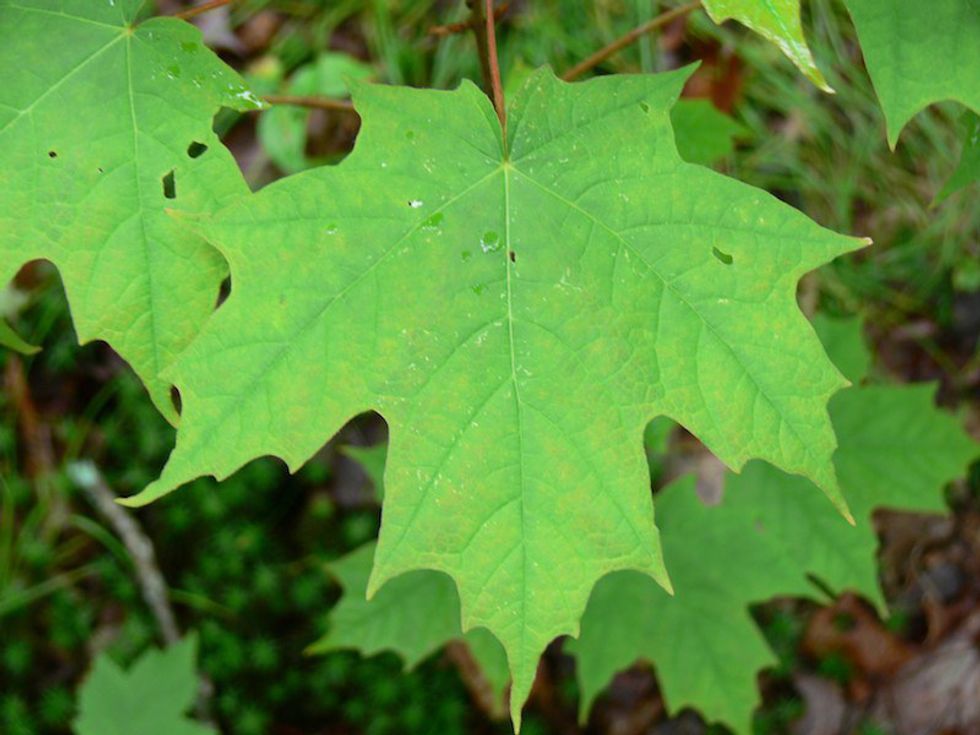
Oh, Canada.
China has one of the cutest national flowers, the Plum Blossom.
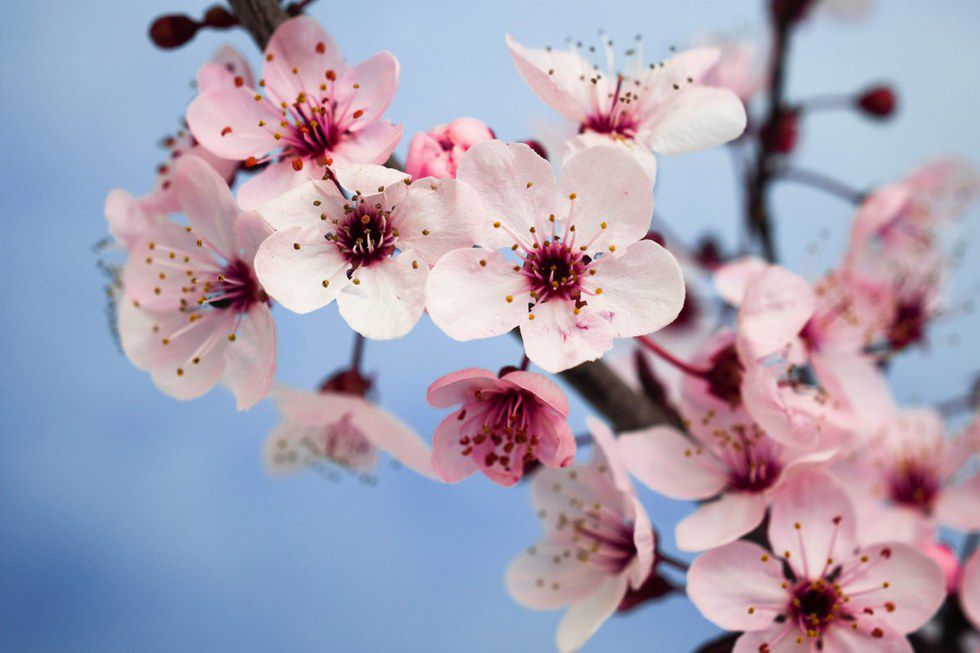
They’re known for being one of the first blooms of the year, indicating spring.
Egypt and India share the same national flower, the Lotus.
However, each country uses a different genus of the Lotus.
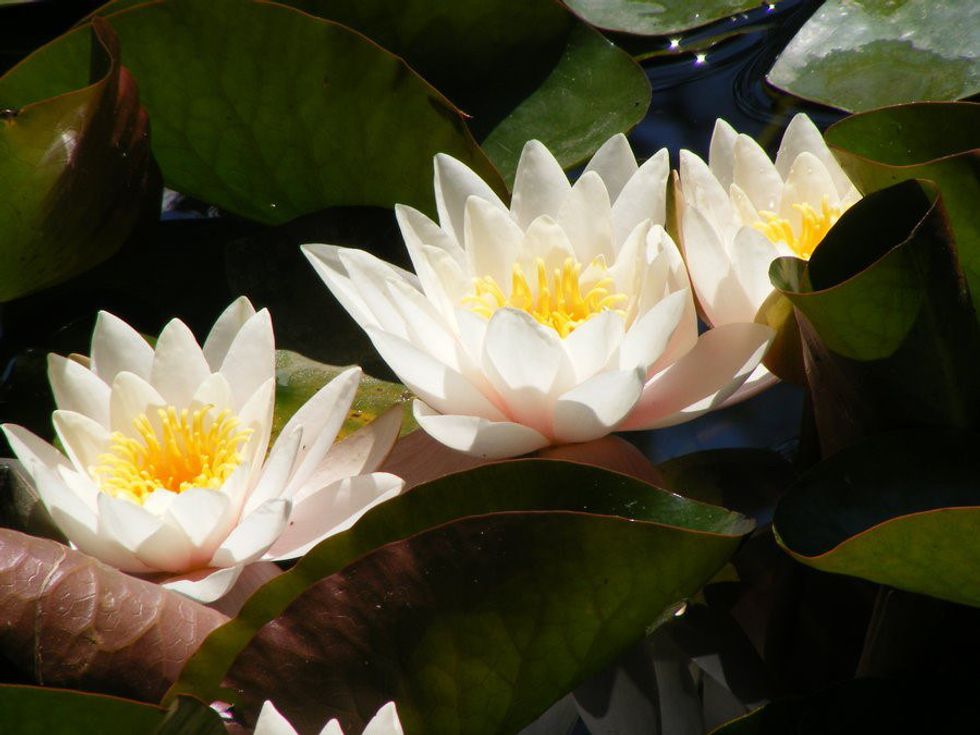
Egypt has the Nymphaea Lotus.
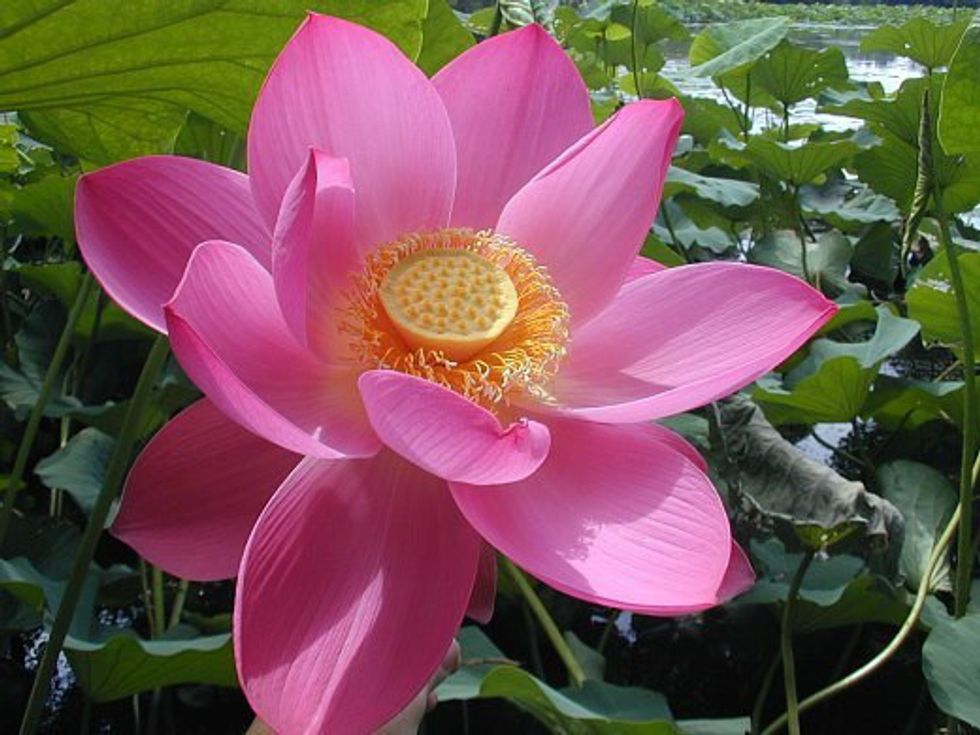
While India has the Nelumbo Nucifera.
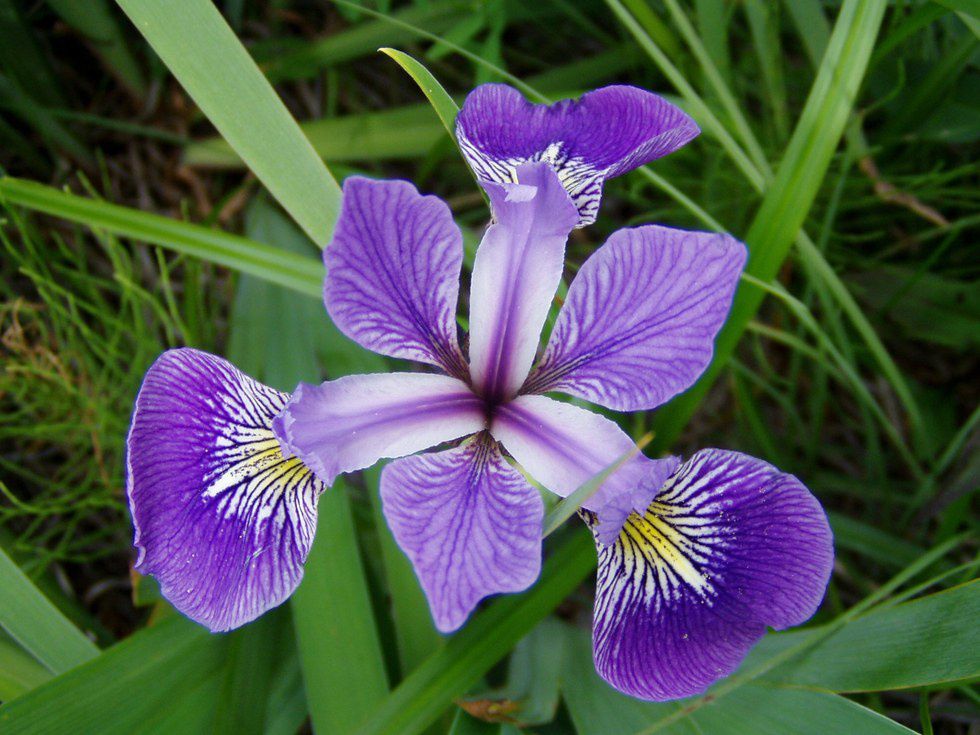
Next on the list is France with the Iris.
Germany has quite a beautiful flower, contrary to its name, the Knapweed.
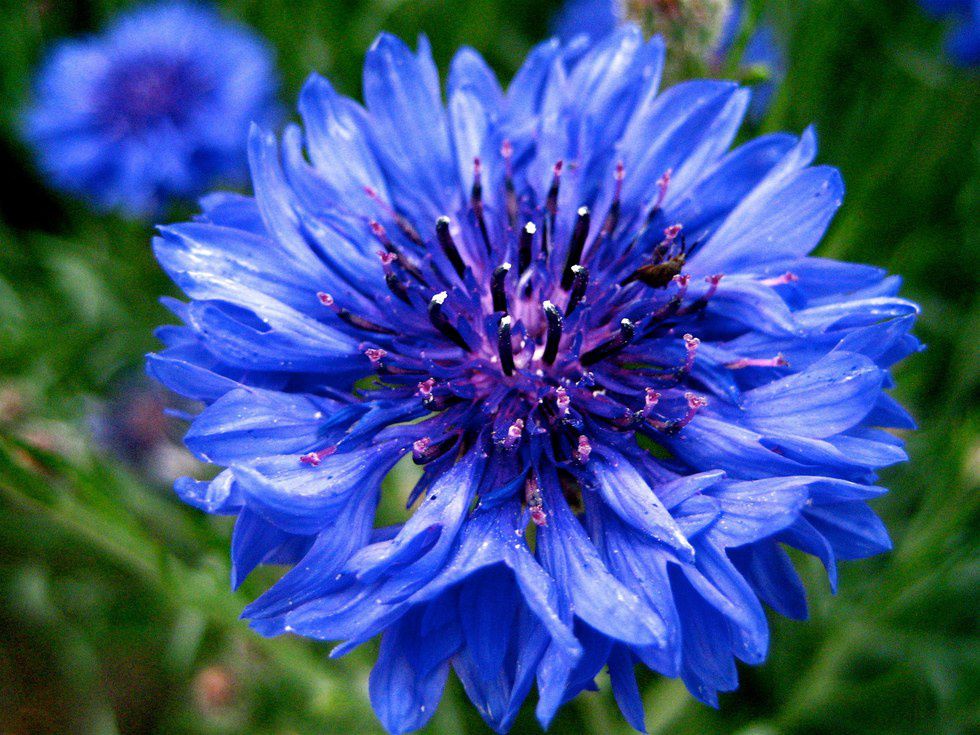
Can’t judge a book by its cover.
Greece’s flower has an odd name as well, the Bear's Breech.
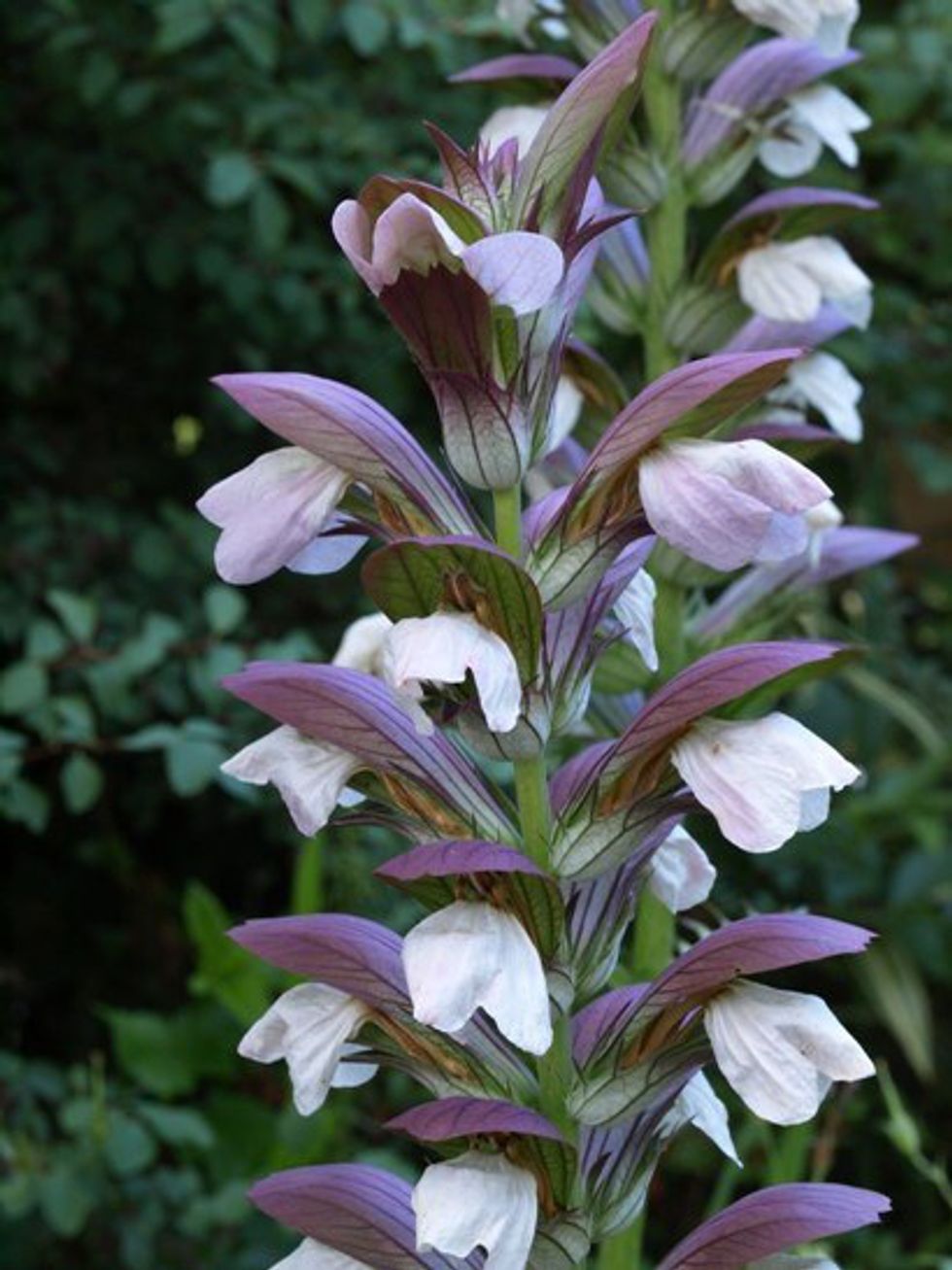
Certainly not what I expected when I read the name.
Ireland’s flower is the Shamrock.
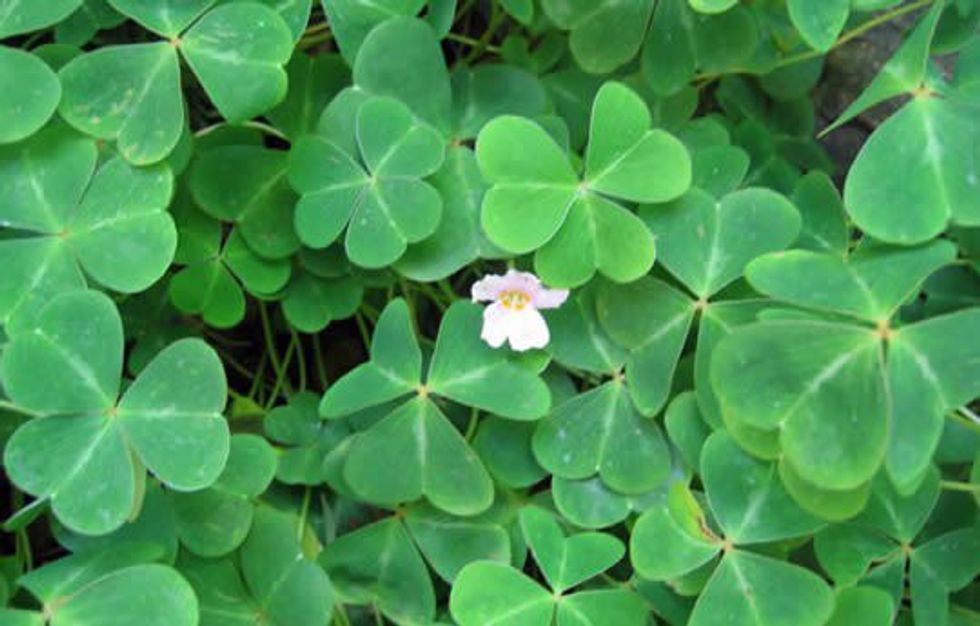
While the shamrock is not a flower itself, it is a part of the clover-which is a flower.
Japan has two, that’s right not one, but two national flowers.
The first is the Chrysanthemum.
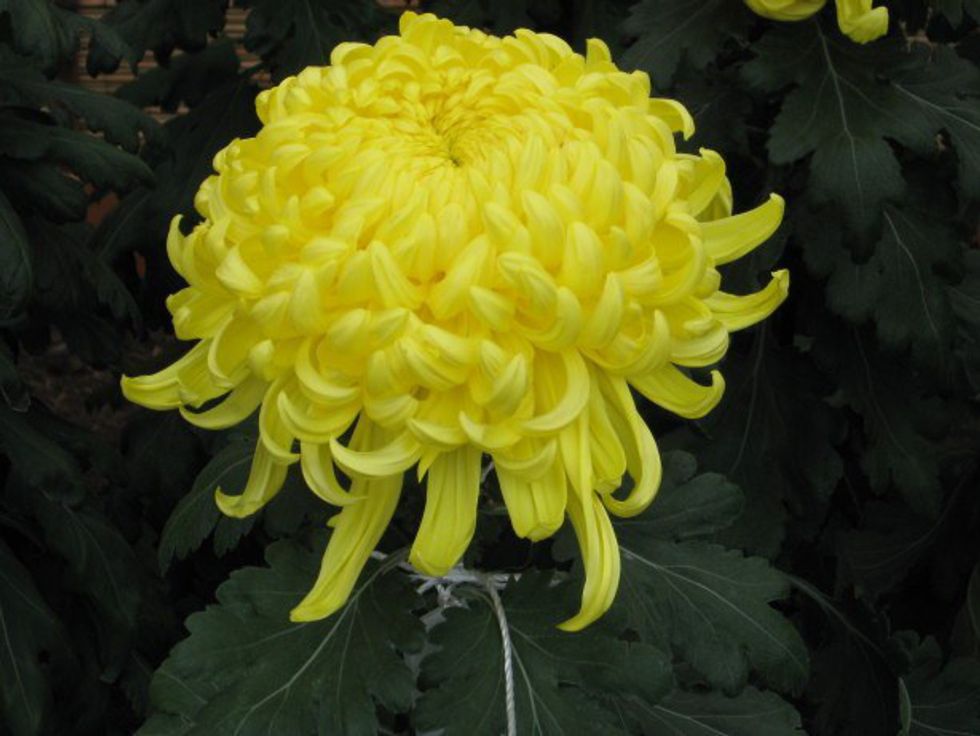
It is used as the Imperial Seal and can been seen on the front of any Japanese passport and in Shinto shrines.
Their second national flower is the Sakura Cherry Blossom.
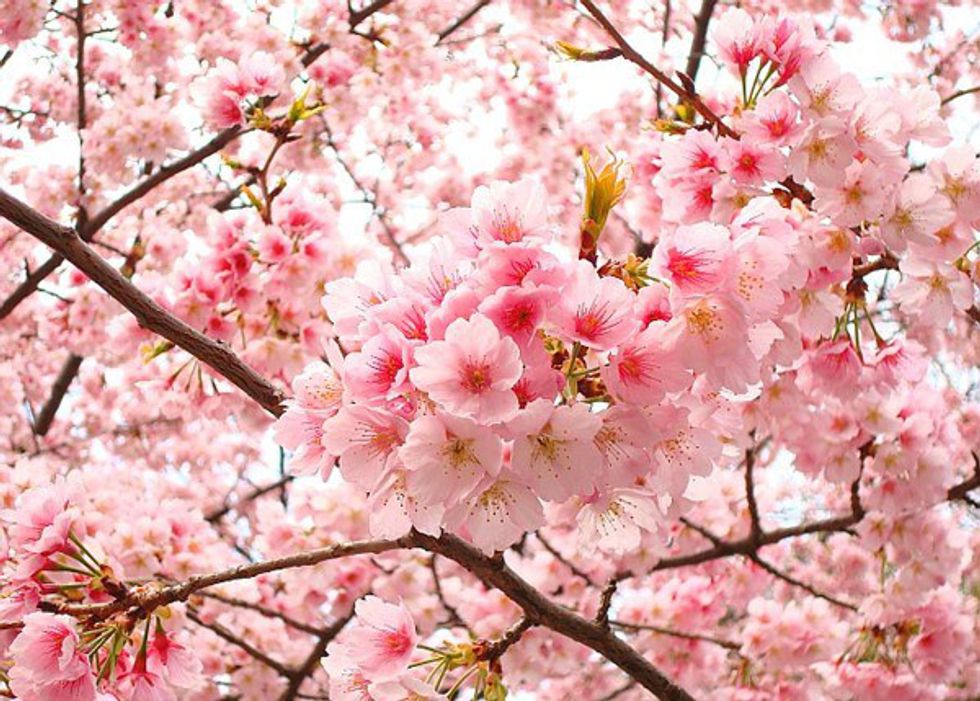
These are extremely popular even here in the U.S. There are festivals dedicated to them in Japan, and are currently in-bloom.
Libya has a type of blossom as their national flower as well, the Pomegranate Blossom.
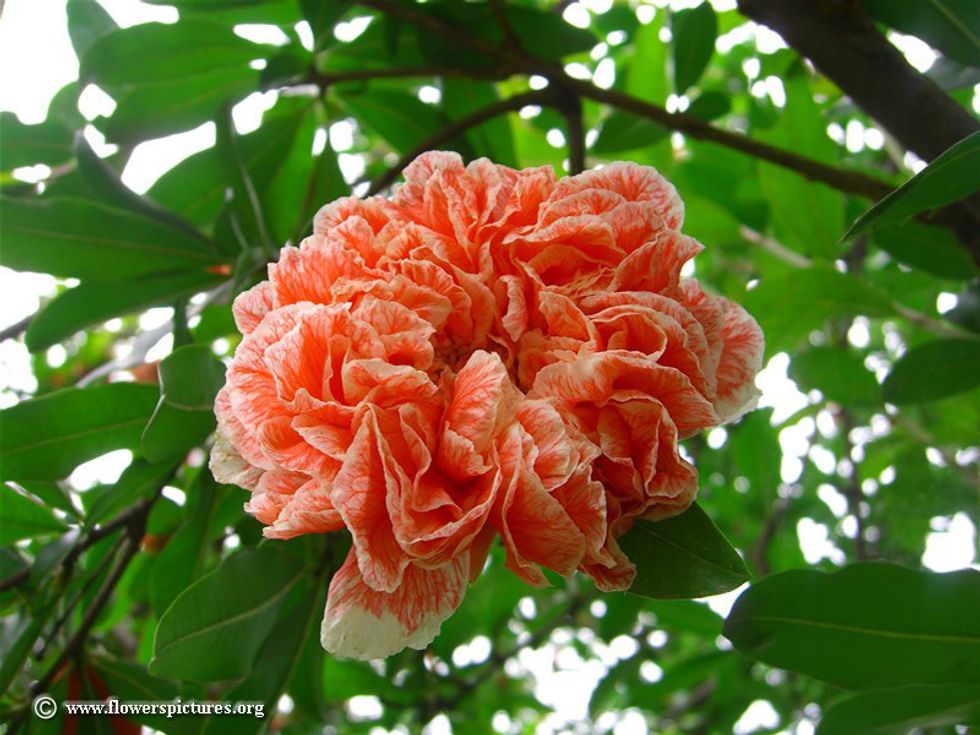
Madagascar has the brilliantly red Poinciana as their national flower.
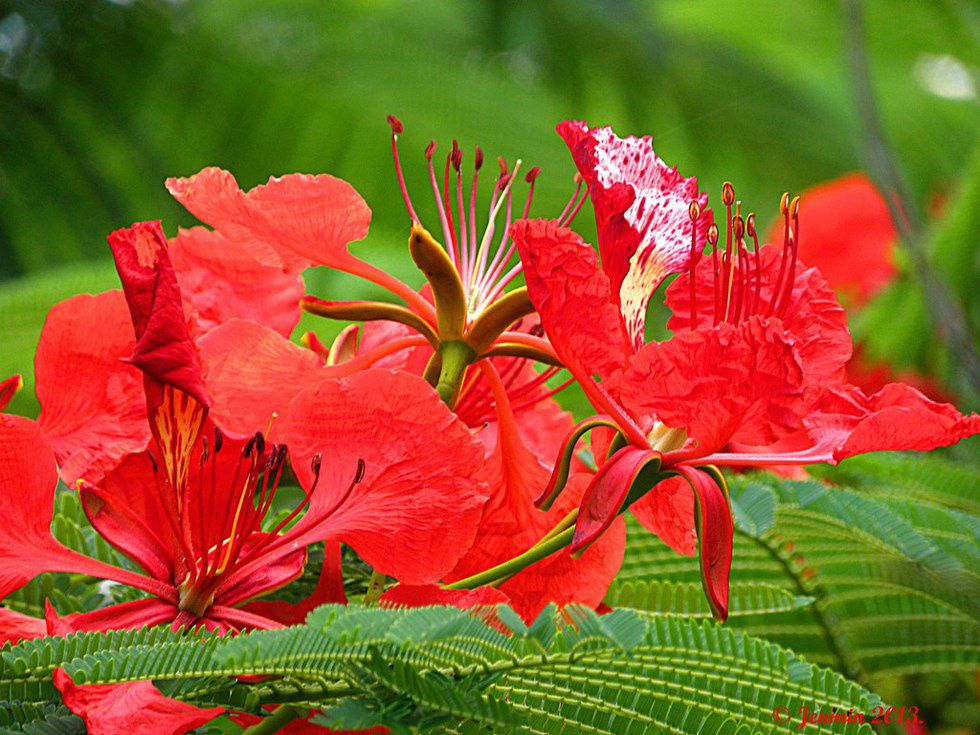
The blooms are on trees and last for 4 to 8 weeks.
New Zealand is known for its unique and beautiful landscapes, and its flower, the Kowhai is no different.
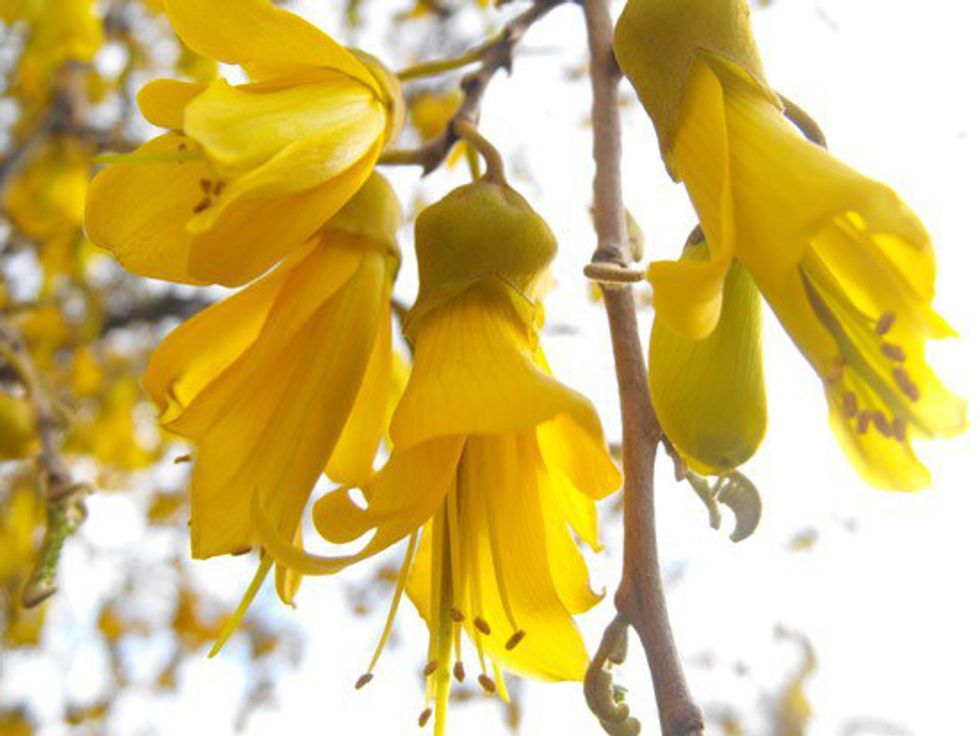
Even though there is no official status as Kowhai as the national flower, it is widely accepted as such.
Portugal has the common flower of Lavender.
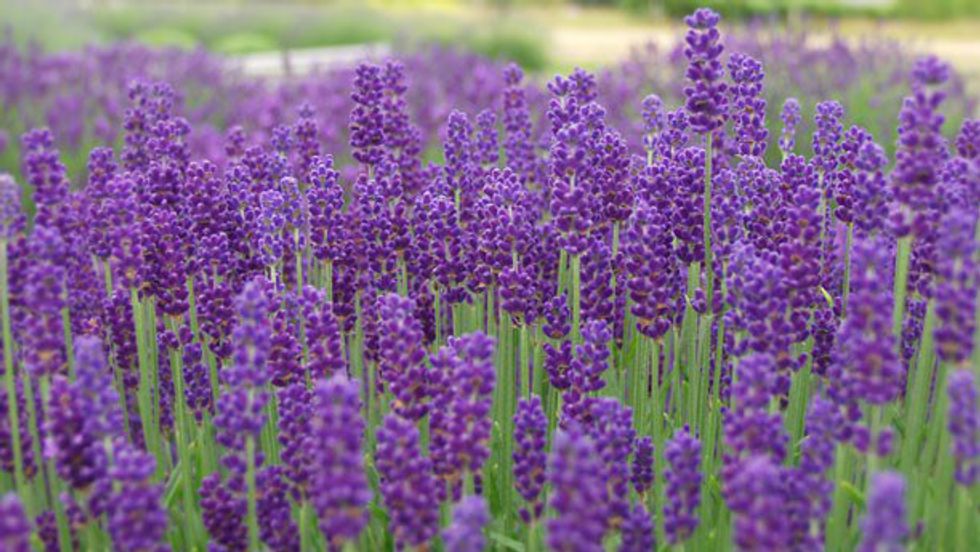
Lavender is used in many soaps and perfumes for its aroma that has been proven to aid with sleep.
Russia’s national flower is the Chamomile.
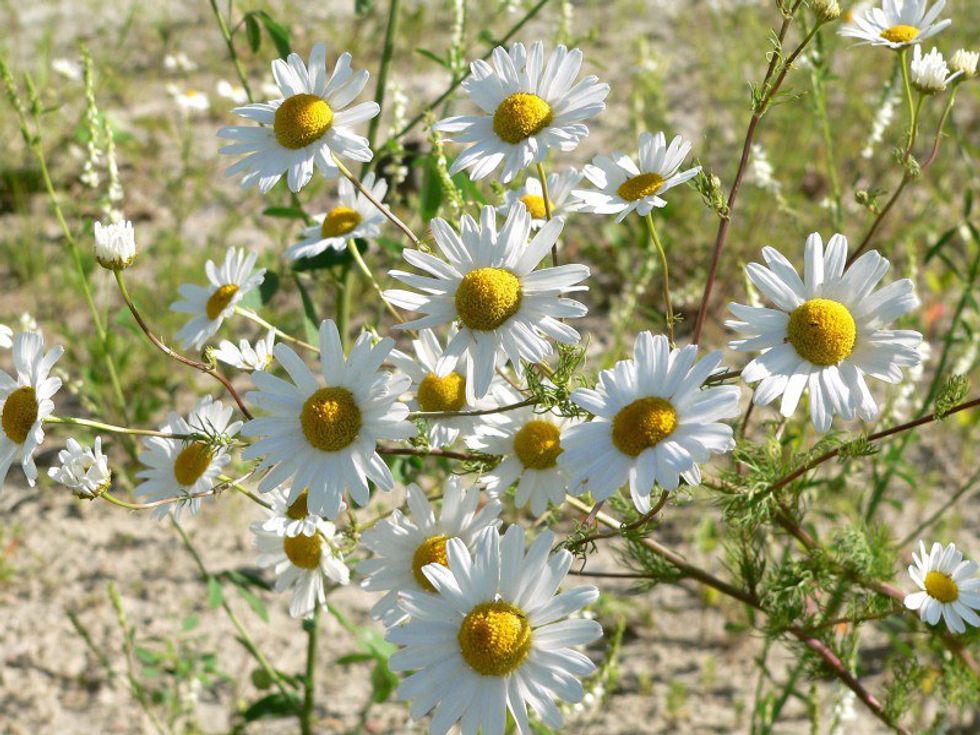
It looks very similar to the common daisy, but is used like lavender in aromatherapy and tea to aid with sleep.
South Korea’s flower is named the Rose of Sharon.
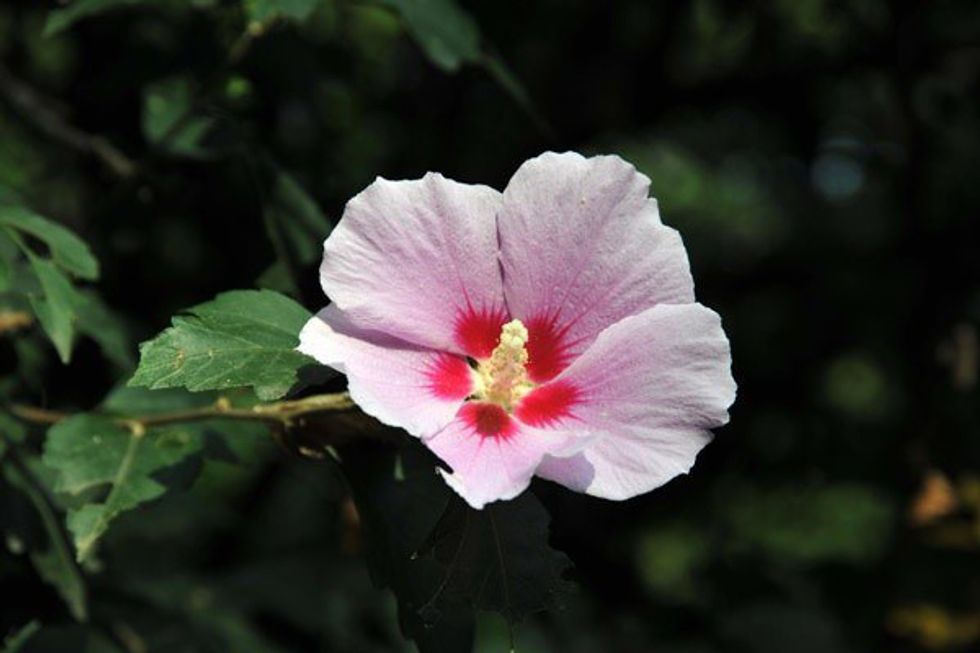
It is not a rose but a part of the Hibiscus family. The name of the flower in Korean is Moogoonghwa.
South Africa’s flower is the Portea.
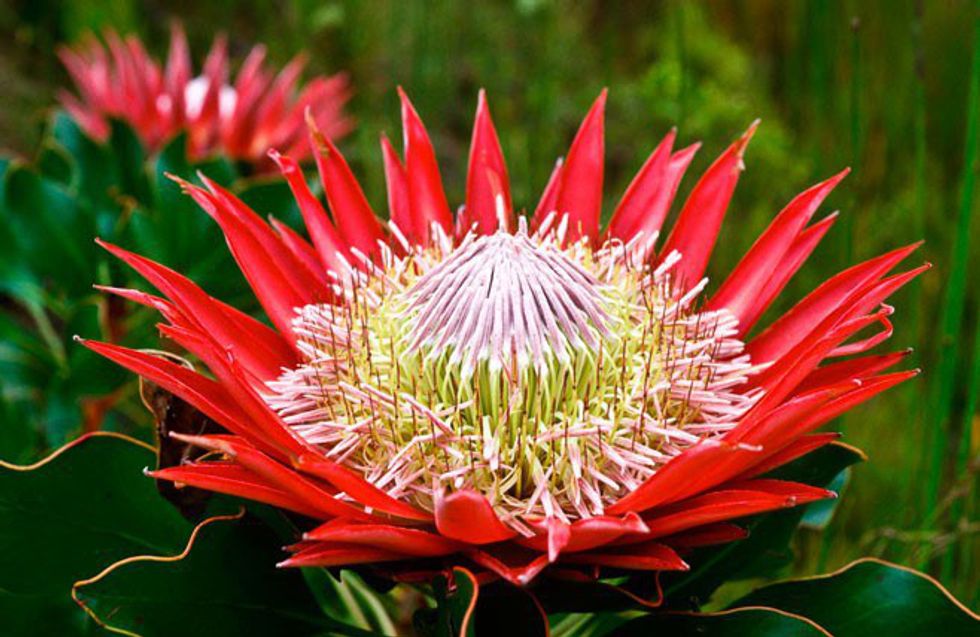
Its bloom is quite large and goes by the nickname of King Sugar Bush.
Thailand’s might be a bit difficult to pronounce as its flower is called the Ratchaphruek.
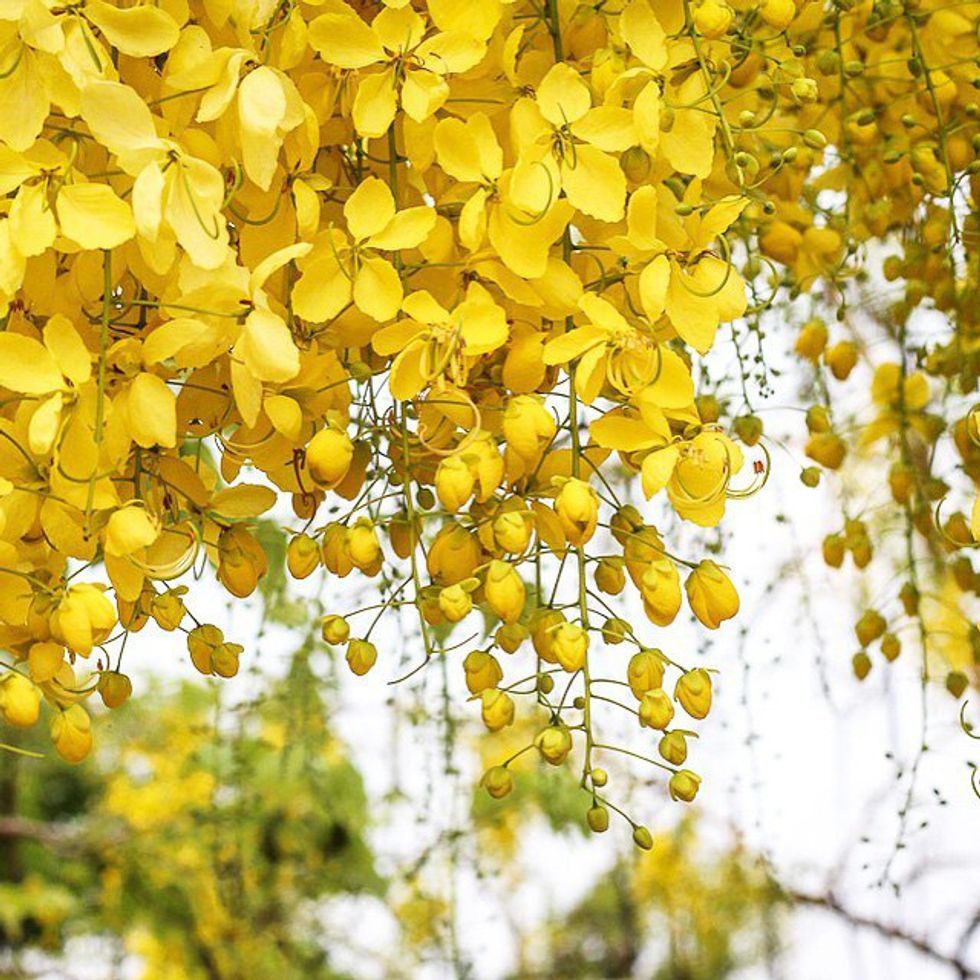
Very similar to the Sakura tree with multiple blooms all blooming at once.
Possibly cuter than China’s flower, is the Lily of the Valley.
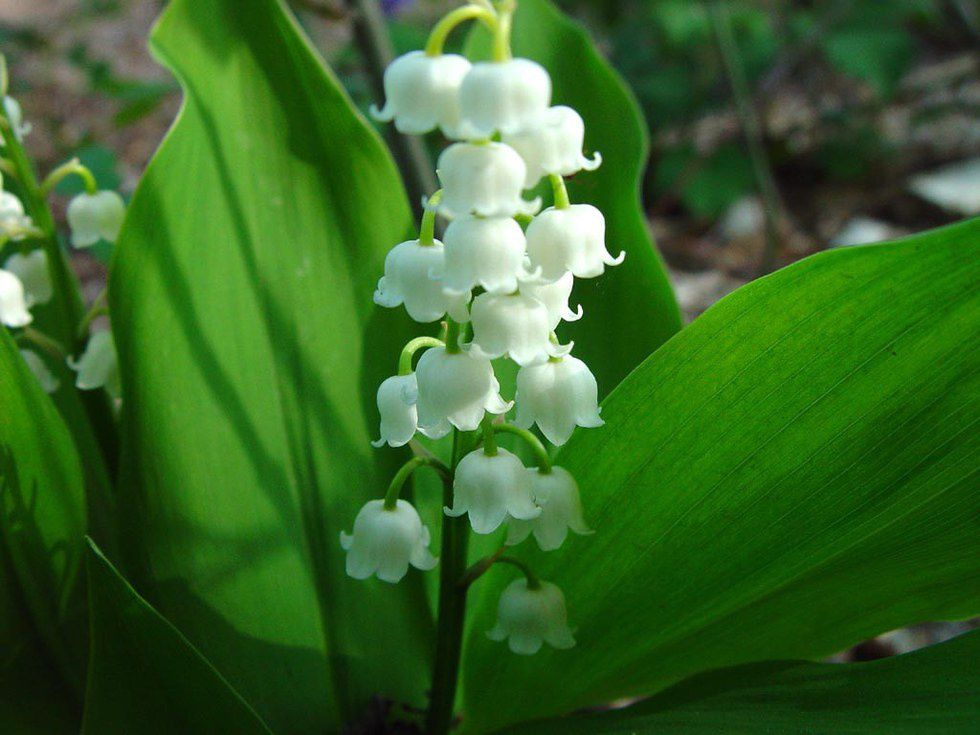
This is the national flower of Yugoslavia. Despite its sweet aroma and cute appearance, all parts of this plant are highly poisonous.
To wrap up our list of flowers is the Flame Lily of Zimbabwe.
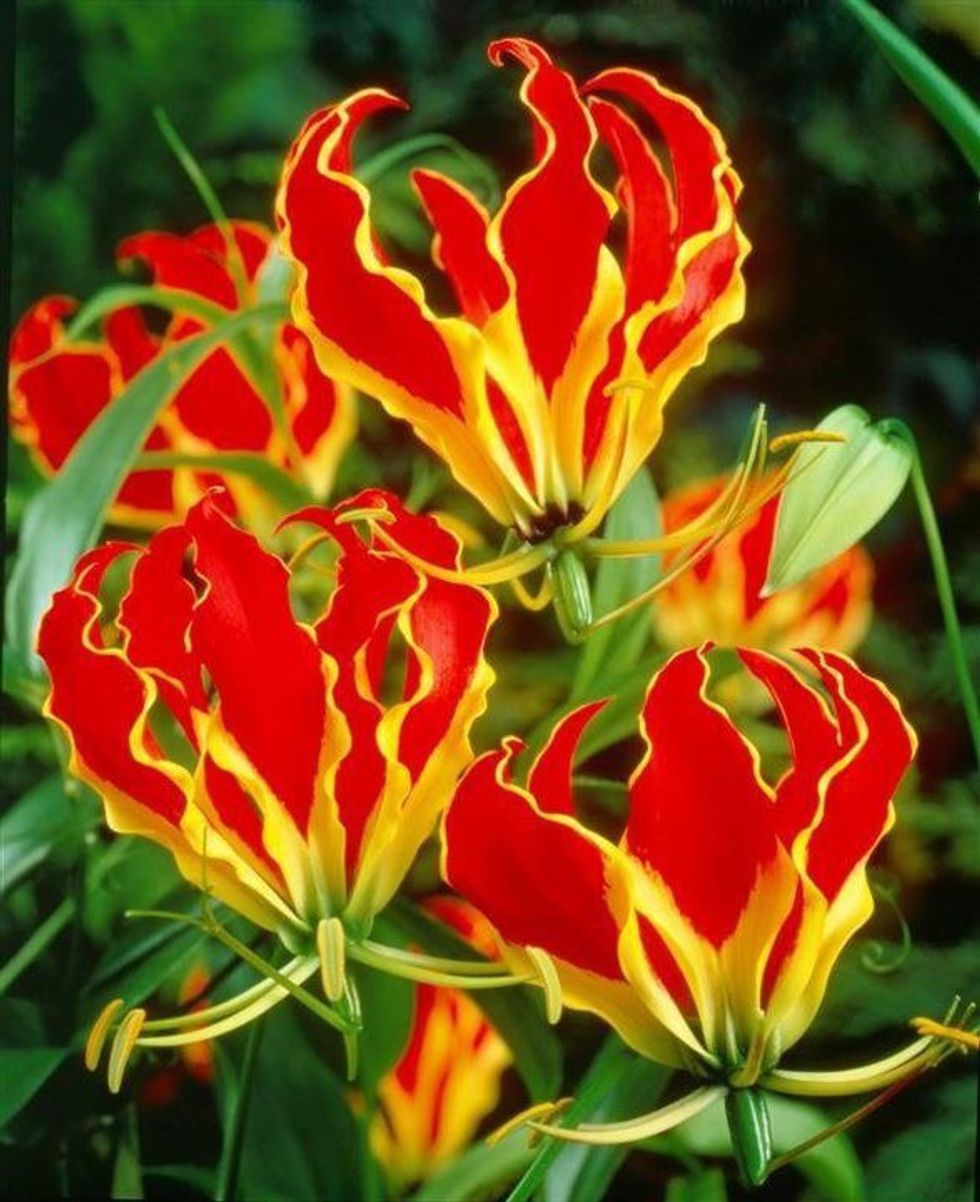
Every part of this flower is also poisonous and has been used to commit murder. Their tubers have been mistaken for sweet potato or yams tubers and been ingested causing accidental poisoning.
There are many more countries with national flowers, each just as peculiar, unique, and beautiful as the ones listed above. There is more history attached to each flower and its country, but that may be for another time. I hoped you’ve learned a bit more about flowers as I did while writing this.