


As we get closer and closer to the November election it seems like American culture is becoming more ridiculous by the day. Whether it's Trump Jr. comparing refugees to Skittles or Hillary appearing on the absurdist Zach Galifianakis web show Between Two Ferns, it's getting more difficult to figure out what is meant to be satire and what isn't. Fortunately American culture has always been pretty ridiculous to varying degrees and a majority of our greatest authors have taken a chance at interpreting it.
I've compiled a list of fiction and non-fiction books by some of the most well renowned American writers of the last century to help us both make sense of this whole thing.
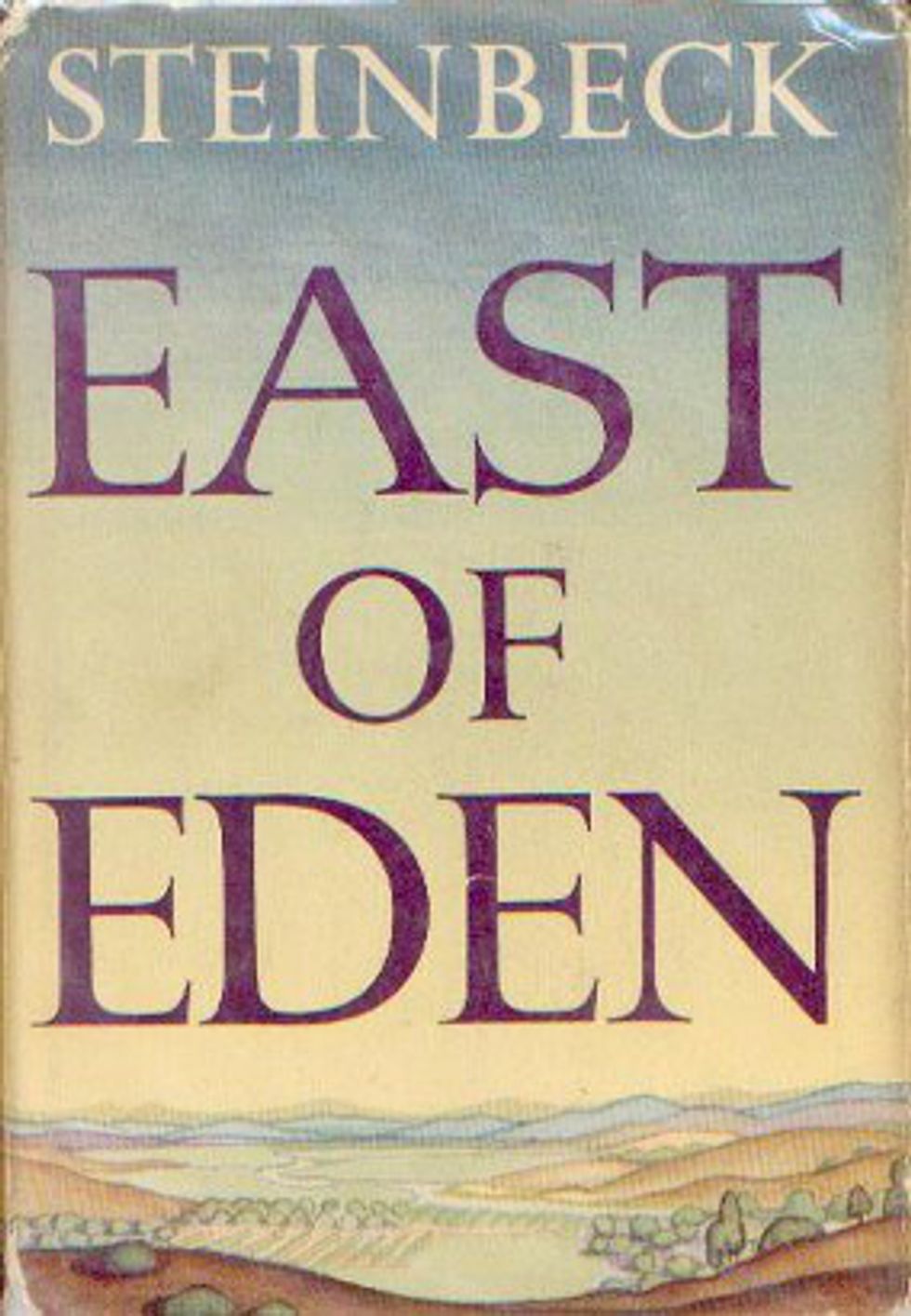
1. John Steinbeck - East of Eden
John Steinbeck spent his entire literary career leading up to this book. He has written other masterpieces ("Of Mice and Men," "The Grapes of Wrath," "In Dubious Battle"), but East of Eden marks the point where he was able to distill everything he had learned as a writer into one book. The story follows the Trask and Hamilton families as their intertwined lives play out over decades in California's Salinas Valley.
Steinbeck modernizes the story of Cain and Able here to give the reader a sense of what it means to be a family in America. He doesn't lay out the cheesy "we all have to get along" dialogue that you're likely to find in a story of this sort. Instead he focuses on what makes us different from one another and how those differences can lead to new revelations about being Americans. It's a significantly harder story to tell and what makes this book so fascinating is that Steinbeck pulls it off with aplomb.
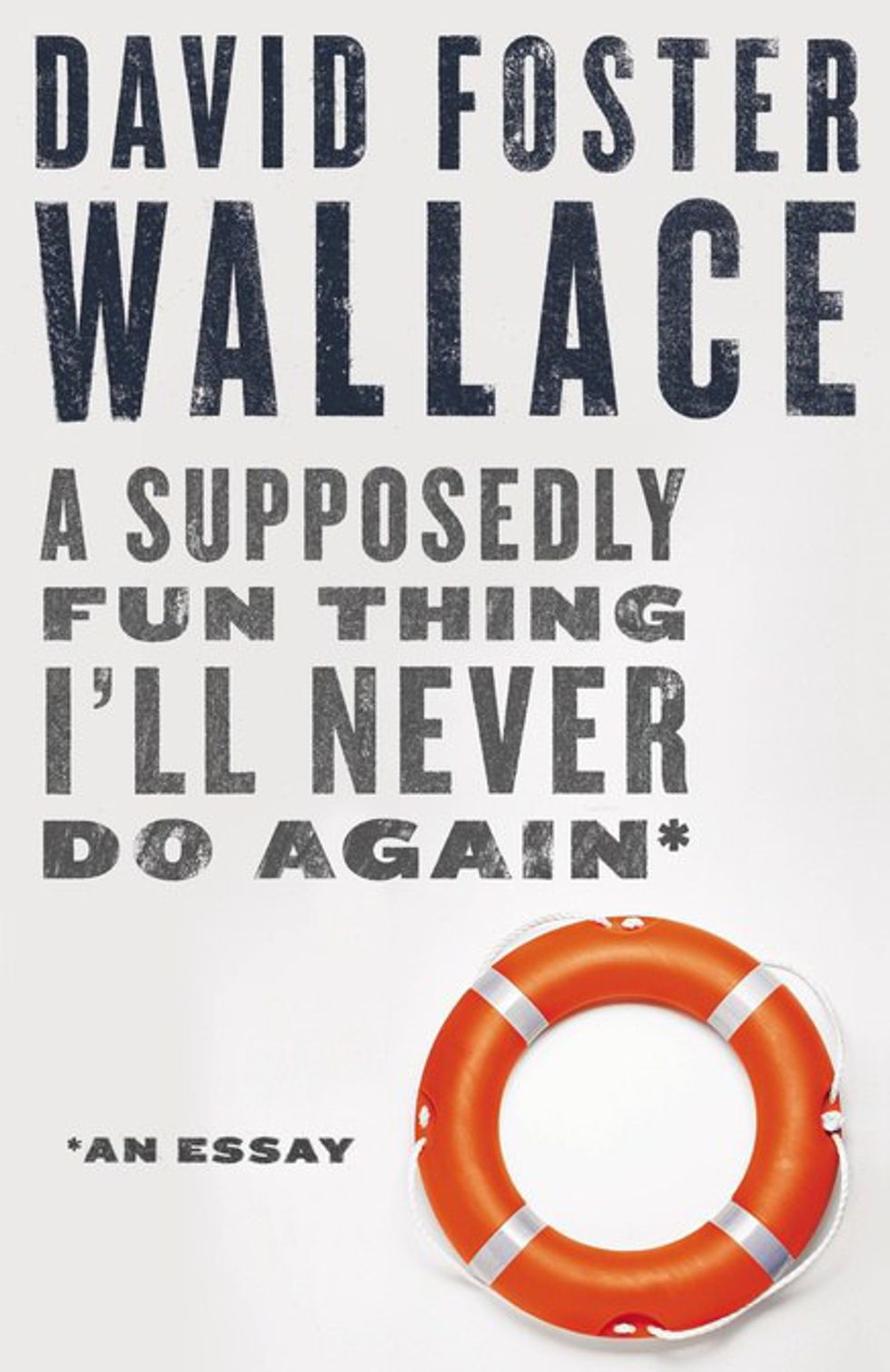
2. David Foster Wallace - A Supposedly Fun Thing I'll Never Do Again
David Foster Wallace was one of our most invaluable cultural critics and here he puts his keen sense of humor and eye for detail to use. This collection of essays follows Wallace as he attends the Illinois state fair, goes on a luxury cruise and reminisces about his midwest upbringing as a junior tennis aficionado. Wallace spends the entirety of this book explaining, to often hilarious effect, the types of things Americans specifically do for entertainment. Somewhere around a quarter of the way through A Supposedly Fun Thing you begin to lose sight of the fact that it was written 20 years ago because it feels so eerily relevant to our time.
3. Jeffrey Eugenides - The Virgin Suicides
The Virgin Suicides is one of the creepiest looks into the lives of suburban midwest Americans that you're likely to read. It's not necessarily a horror story, but there are certainly horrific elements in play. The plot concerns a group of young boys who are trying to figure out why the Lisbon sisters, who go to school with them, all decided to end their lives one day. Eugenides takes this dark premise and uses it to examine the types of ideals we place on girls in America. I came away from the book thinking the girls died so young because they saw the types of women their culture wanted them to be and just refused to participate. The best thing about the book is it gives the reader enough insight and mystery to come to multiple different conclusions.

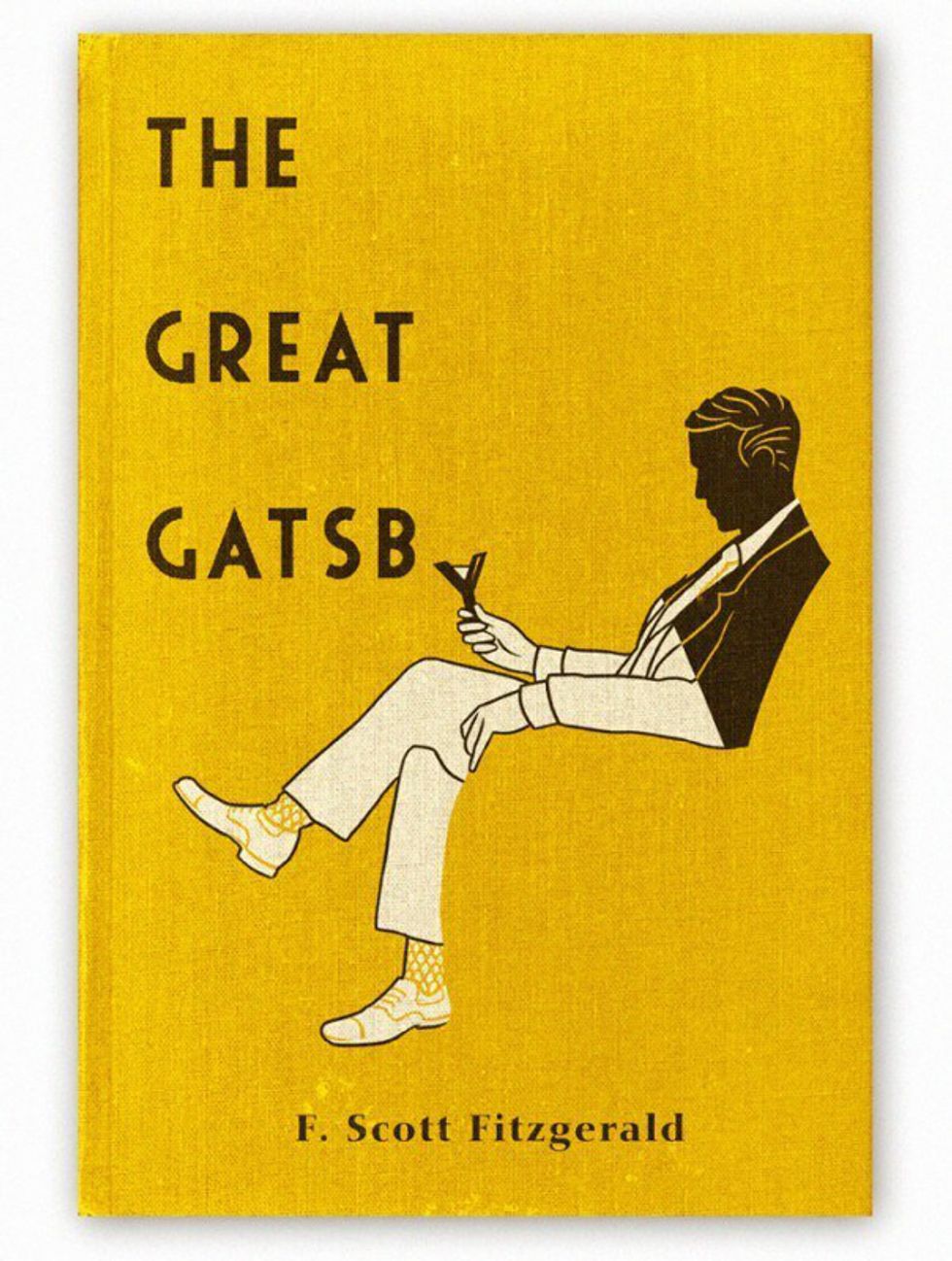
4. F. Scott Fitzgerald - The Great Gatsby
F. Scott Fitzgerald was a member of a group of American expatriate writers who took up residence in Paris after World War One. They were named the Lost Generation and that sense of searching for something is most evident in The Great Gatsby's narrator Nick Carraway. Nick is concerned with answering the question of "why we exist?" and he hopes Gatbsy can answer it for him. Jay Gatsby is the ideal embodiment of the American Jazz Age excess that never truly faded away with time. Through his ceaseless obsession with reuniting with his lost love Daisy, Gatsby becomes a mirror for Americans everywhere who have placed all of their hopes in dreams in one defined end point.
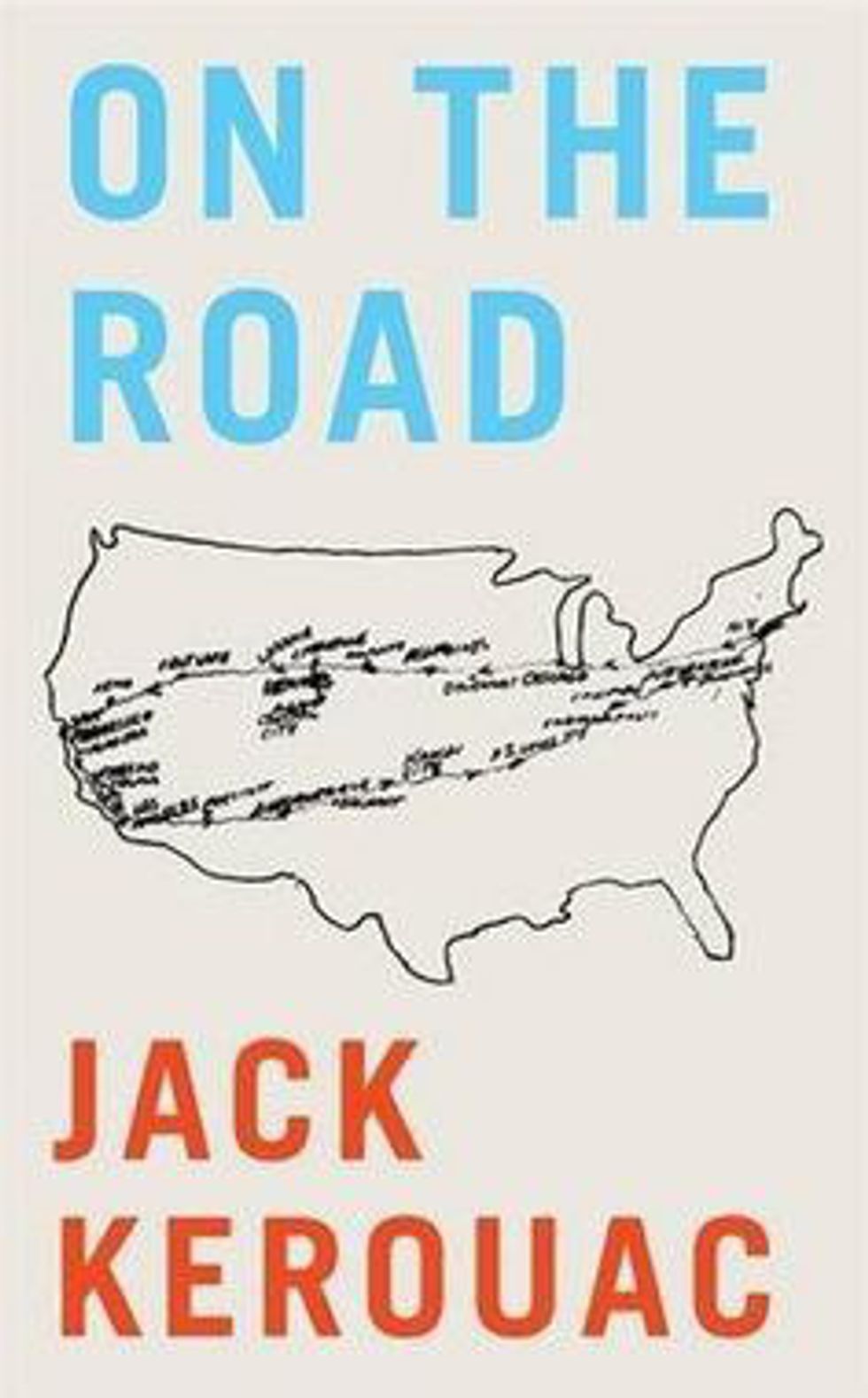
5. Jack Kerouac - On the Road
"On the Road" is the seminal book of the Beat Generation of writers who developed following World War Two. If the Lost Generation sought to answer the question of "why?" in America then the Beats were focused on "How?" Kerouac used his book to give an entire generation of Americans a new idea of what it even means to be American. This led to the hippie counterculture in the 60s and created mainstream ideals of nonconformity that we still follow today. It's a testament to how significantly the Beats altered the culture that many of the radical aspects of "On the Road" seem tame by comparison today.
What are your favorite books about American culture?

















