


A startling amount of people refuse to combine their careers with what they’re interested in or what they have a natural talent for. Instead of potentially thriving in a job uniquely suited for them, they find work that simply pays the bills and hopefully guarantees a stable retirement later down the road.
This is sometimes called “the safe route.” It can be the path of security and comfort. The vast majority of working Americans choose to take this path, partly because our education system pushes it towards us; the less risk associated with your job, the better. Work hard, pay the bills, provide for your family, and reap the benefits when you’re done. That’s all there is to it.
But isn’t it worth asking yourself once in a while if you are happy and excited about what you’re doing? Why wouldn’t you want your work to make you happy at the end of the day? If you want to write best-selling novels, become a movie star, or start your own company, why not give it a shot?Billionaire Richard Branson has a self-imposed rule he obeys in each of his businesses: if it’s not fun anymore, stop doing it.
You’re probably thinking it can’t possibly be that easy. Actually, it can, and to Branson it is. He came from a middle class family in England, but that didn’t stop him from achieving an incredible amount of success and having fun along the way. He started Virgin Records simply because he loved music. He started Virgin Airlines later to make flying cheaper and give passengers a more enjoyable flying experience, implementing a myriad of quirky and interesting things on his flights (ice cubes are now being served in the shape of Branson’s head, to give you an idea).
Best of all, he bought a private island because, well, who doesn’t want a private island?! He knew he could turn it into a successful venture if he played his cards right, despite being short on cash. Eventually he ended up making it an appealing destination for customers and investors, who have since payed him back in spades.
Of course, all of Branson’s ideas were pretty risky; millions of dollars were at stake, and those companies could have never worked out. Yet Branson made sure that he never lost everything. If you think your dreams are too risky, dip your toes in the water before taking the plunge; if it works out, you’re already on your way to happiness and fulfillment, and if not, you can still regroup and keep trying.
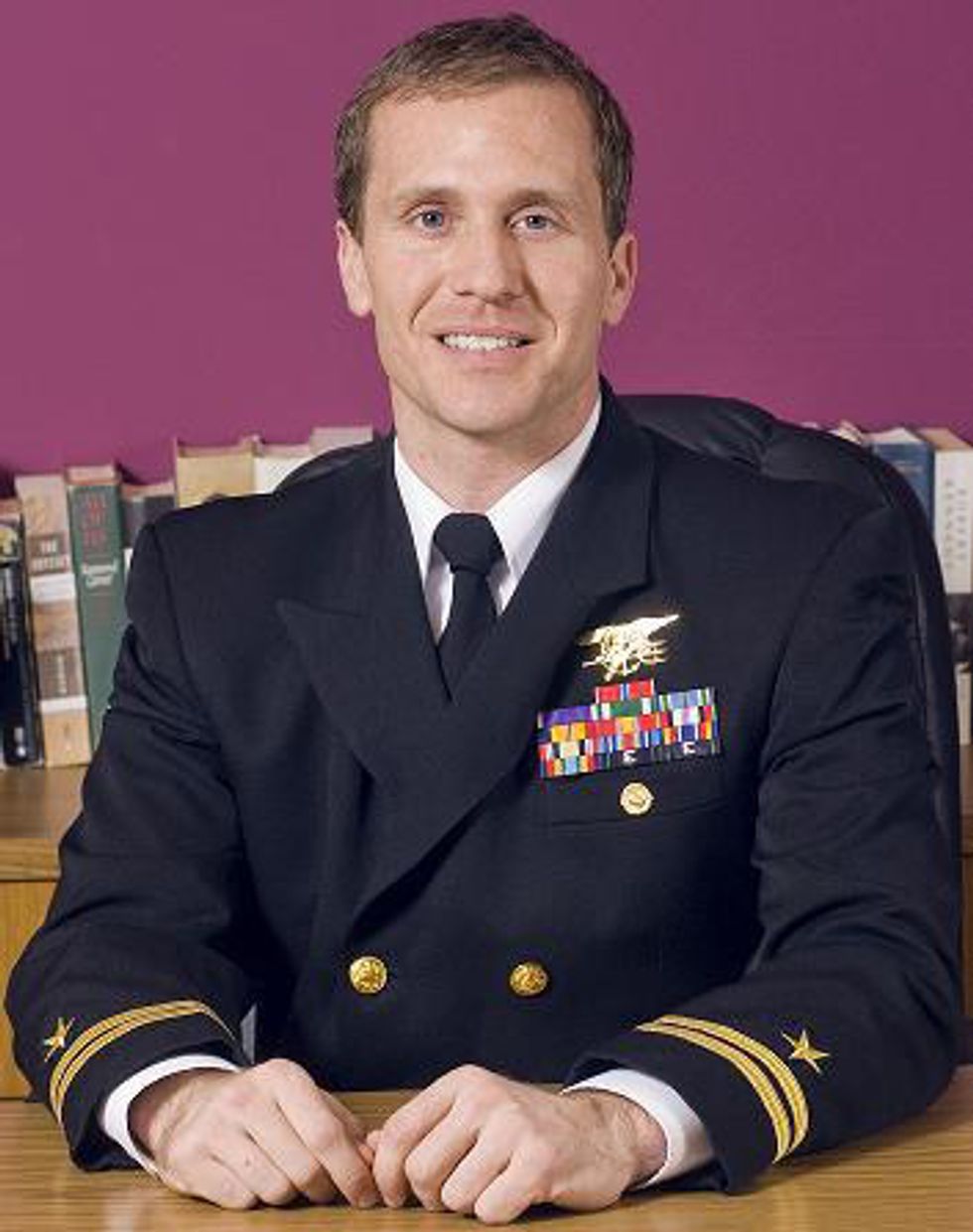
You don’t have to be a billionaire to do what you love, though. Eric Greitens came from a middle-class family and did things the traditional way, going to school and eventually earning a well-paying job at a law firm after graduation.
Yet Eric didn’t really know if that was truly meant for him: was the job worth giving up his lifelong dream of devoting himself to helping others less fortunate then him around the world? He quickly decided that it wasn’t. He turned down the job at the law firm that could have made him rich and joined the Navy SEALs instead, serving in Iraq during the height of the Iraq War. Later, he started The Mission Continues, a foundation dedicated to helping veterans across America serve their communities.
I hope these two examples have at least made you think about your own career. If you’re in college, does your major reflect your passions and interests? If you’re already working, do you wake up each morning excited about going to work? These are extremely important questions you need to ask yourself if you want to truly enjoy what you do in life.

Steve Jobs said it best: “If you haven’t found it yet, keep looking. Don’t settle. As with all matters of the heart, you’ll know when you find it. And, like any great relationship, it just gets better and better as the years roll on.”