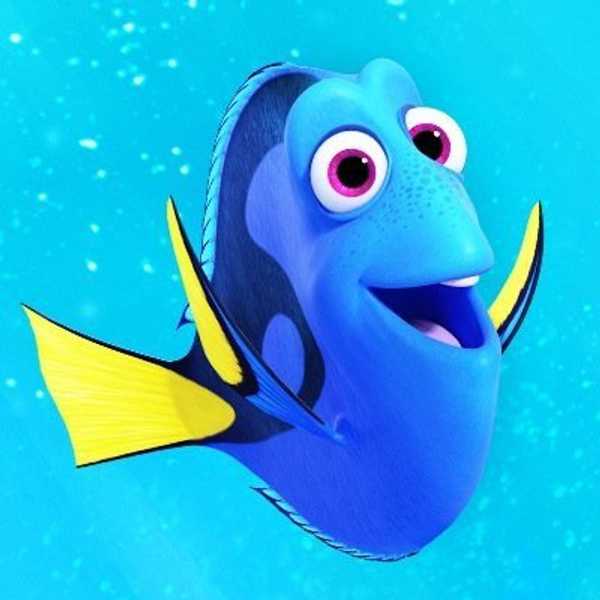
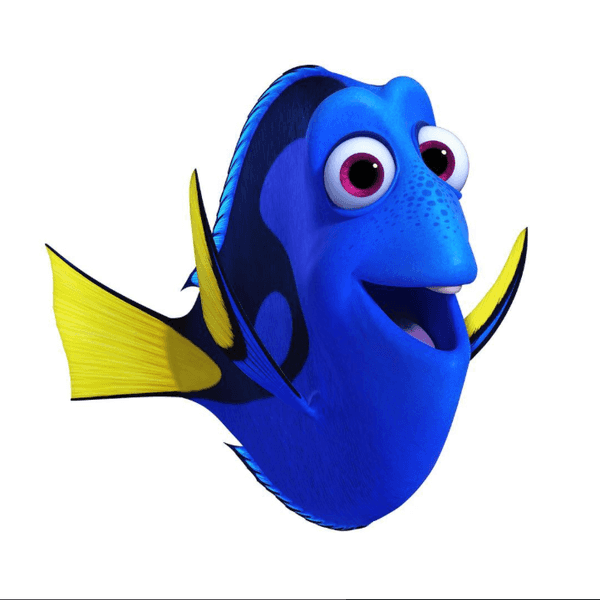
In the past I’ve written a couple of articles voicing my apprehension about “Finding Dory.” And I am very glad to say that I was wrong. Unlike some of Pixar’s previous attempts, “Finding Dory” manages to stay true to its predecessor, and while I’m not rushing to place it among Pixar’s elite, it is a strong movie with a powerful message.
I think the major strike working against “Finding Dory” is that there is never a moment of true surprise. I wouldn’t go so far as to say it’s predictable, but nothing defies expectations. IMDB’s plot summary pretty much says all that needs to be said as far as what happens in the film: “[Dory] reunites with her loved ones and everyone learns a few things about the real meaning of family.” But the point of the movie isn’t so much the “what happens” but the “how it happens,” and the “how” is the transformation of Dory from a humorous sidekick to one of the most emotionally vulnerable characters Pixar has created. The film focuses on growing the audience’s relationship with Dory through flashbacks and sympathetic situations. At times, however, the plot relies too heavily on drawing upon sentiment from “Finding Nemo,” which could make it hard to enjoy the sequel unless you watched the original.
Because the point of the film is to present a new side to Dory, the rest of the characters get pushed to the side. Though that isn’t necessarily a bad thing, it did cause some of the supporting cast to feel underdeveloped, especially Hank the Octopus, Destiny the Whale Shark, and Bailey the Beluga Whale. Those three characters played important roles in Dory’s quest to find her parents, and all three had backstories that were hinted at but never actually explored. Even Marlin and Nemo’s relationship was missing a certain element because the conflict between them was that Nemo was upset with his dad for losing Dory. The problem here is that neither “Finding Nemo” nor “Finding Dory” has any interaction between Dory and Nemo that is simply them bonding over something that doesn’t involve life or death situations, and so I found it hard at times to understand the dynamic between those characters. Still, “Finding Dory” hits home where it’s most important. Dory’s backstory is well thought out and creates an impactful emotional resonance.
“Finding Dory” is a lot like “Up” in that the whole film hinges on establishing an immediate emotional tone. I don’t think any film could ever beat the opening sequence of Carl and Ellie’s marriage, but the first few minutes of “Finding Dory” definitely struck a chord within me. The film actually manages to carry the somber tone throughout the film, despite it being a comedy, because each new flashback channels a different feeling of sympathy and compassion.
The most important element of the movie is what I believe Pixar did best. With Dory’s short-term memory loss, it was inevitable that “Finding Dory” was going to make a statement about people living with mental disabilities. Combine that with it being a comedy and a kids’ film, and a lot of people before the movie’s release were concerned and curious to know how Pixar would present the issue. And I think “Finding Dory” dealt with it perfectly. It doesn’t shy away from the reality of Dory’s life nor does it soften the fears and frustrations that parents have about their own kids in a similar situation to Dory’s. But it does present a wonderful image of family and a desire to find a place to call home.
Rating: 3.5 stars/A-