

Recently, I stumbled upon an Odyssey article by Rachel Freeman titled "7 Female Comic Authors You Should Be Following". While I agree fully with the list, there was one thing I found striking: That I knew all the writers and artists on the list. As such, I wish to make an addendum suggestion to the list of two more works by women authors that I feel that people should follow.
First on this list would be Jennie Wood, author of "Flutter". "Flutter" is the story of a shape shifting, queer teen written by Jennie Wood, art by Jeff McComesy, colors by Chris Goodwin and letters by Jeff McClelland. "Flutter" is probably among the best sci fi stories I've seen told in the medium. While the story bogs itself down a little with a Government Conspiracy, that element manages to not overwhelm the heart of the story: A young woman who is trying to figure out love.

"Flutter" has also received quite a bit of critical acclaim. Advocate.com focused heavily on describing the human aspects of the story in their review stating: "Superhero comics often present one-dimensional characters pitched in battles between good and evil, but Flutter is populated by realistically complex people. The bad guys love their kids. Lily’s father may be secretly using her, even if he’s doing so for altruistic purposes," before hailing it further. Sequart describes it as "a brilliant panoply of sexual discovery and indecision disguised as a spy thriller and superhero origins story", which I find to be a perfect summary of the first volume. "Flutter" currently has two volumes released along with a third slated for release next year, making now the time to catch up.
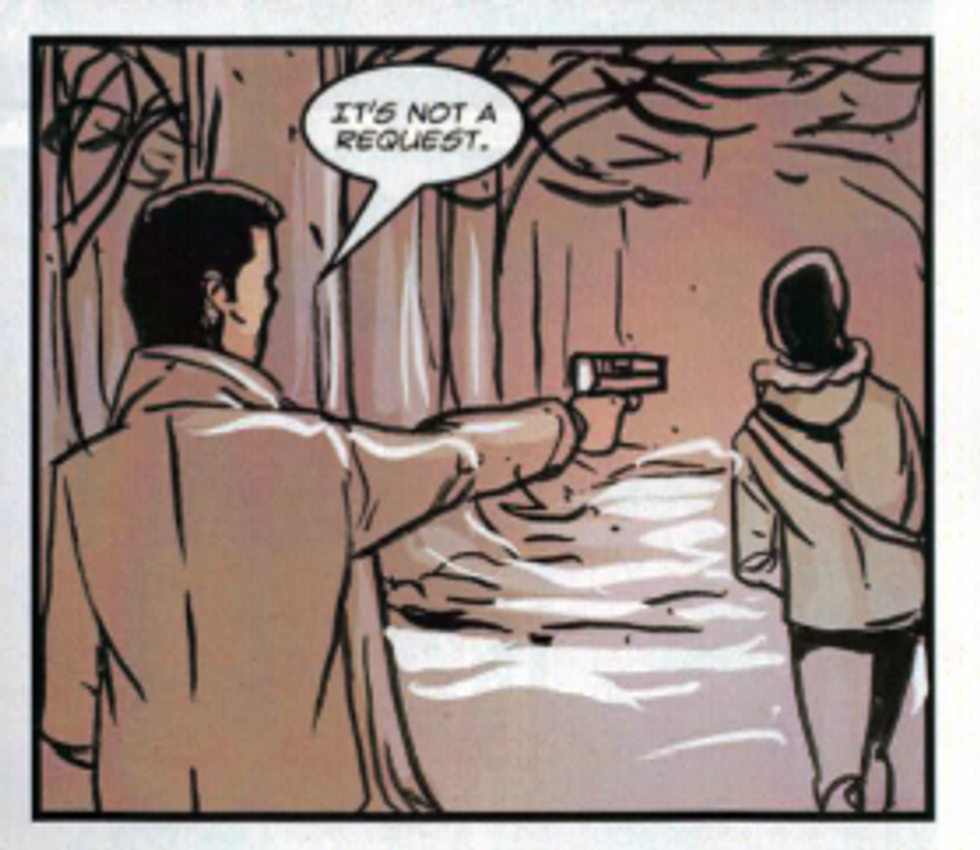
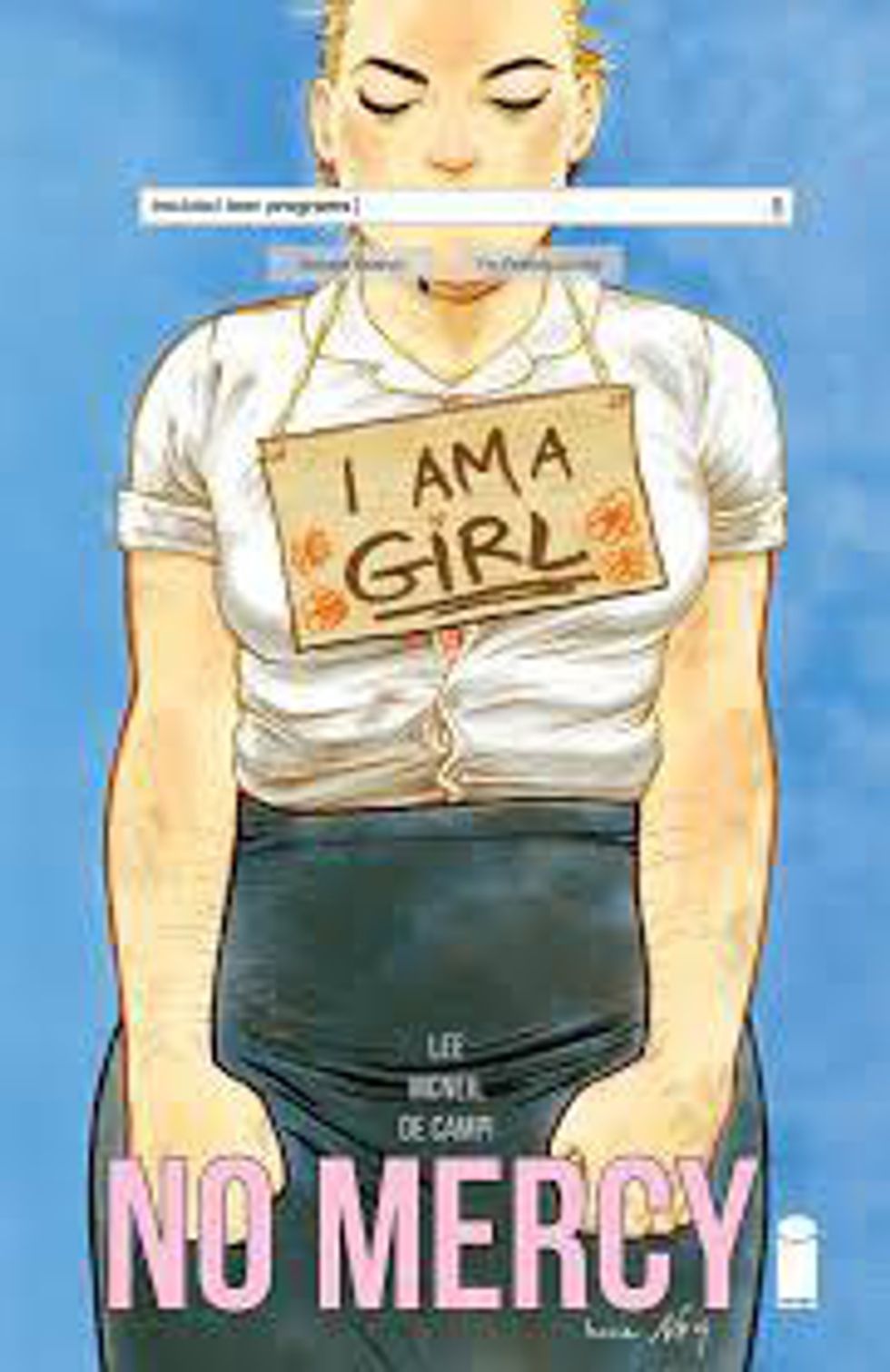
The next author(s) would be Alex deCampi, Carla Speed McNeil and Jenn Manley Lee, the creative team behind "No Mercy": The story of Princeton Freshman whose bus gets thrown off a highway and who are forced to fend for themselves against coyotes, a drug cartel and themselves. The story was hailed by Comic Book Resources "a modern day take on 'Lord of the Flies'," and was a take on the concept I preferred to Lord of the Flies.

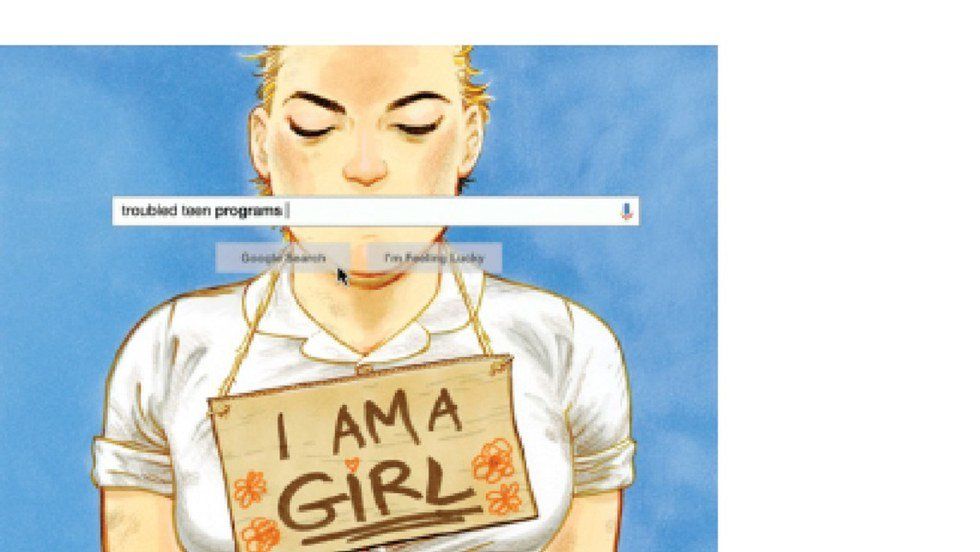
The true gem of "No Mercy", however, is in the ninth issue. This issue is a flashback for the character Sebastian, as he remembers the first time he was in Mataguay: A reeducation camp. Contrasted in this camp are the public abuses he faces for his gender identity and the private sexual abuse his friend Phoebe faces. The true genius of this choice lies in three aspects: That of reality, that of character and that of the situation. The reality is that many people have died in similar camps and Sebastian's former presence in one fills in a few gaps about the character. The situation, however changes the rules of the genre in a subversive but clever way. I don't wish to get into details here, but rather implore you to read the issue.
Both stories are subversive and take full advantage of their medium. They are excellent and both are woman led stories which at various points tear into issues of gender. Although both are stories you may not have heard of and both are stories I ask you read at least a little of. You'll be all the better for it.