Often times when we live in parts of the world where we are not affected by direct war or deep social problems, as a society we tend to shrug things off. Even when issues that are right outside of our backdoors have some of us shrugging saying, ‘well that’s not my problem because it doesn’t effect me’. What if I told you that those injustices did affect you, whether you realized it or not? What if social justice issues all the around the world, including countries like Somalia, could affect us right here in the United States?
I remember sitting down with my family a few years ago to watch a movie my uncle had suggested I watch. As a growing social worker, he thought that watching this film would give me insight to issues that were considered taboo in certain group settings. The film I ended up watching not only changed how I view the world, but how I see myself as a woman.
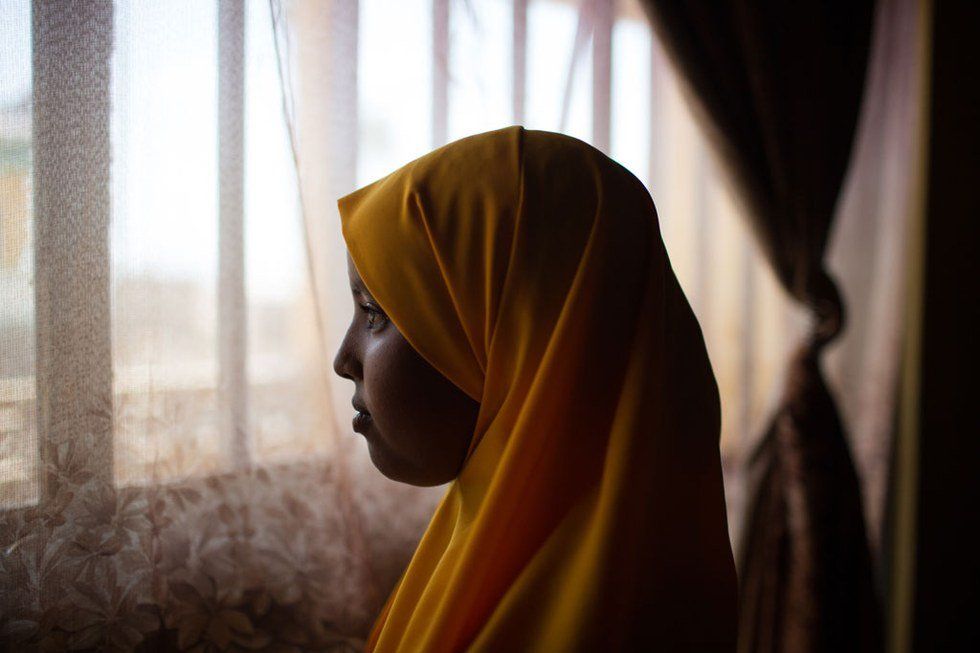
The film was about a young Somalian girl named Waris Dirie. Waris managed to escape her nomadic village on the edge of the Ethiopian border at the age of thirteen before she was married off to a man who was old enough to be her grandfather. Eventually throughout the film, we see Waris given the amazing opportunity to experience life as a model after she is discovered while working at a McDonalds.
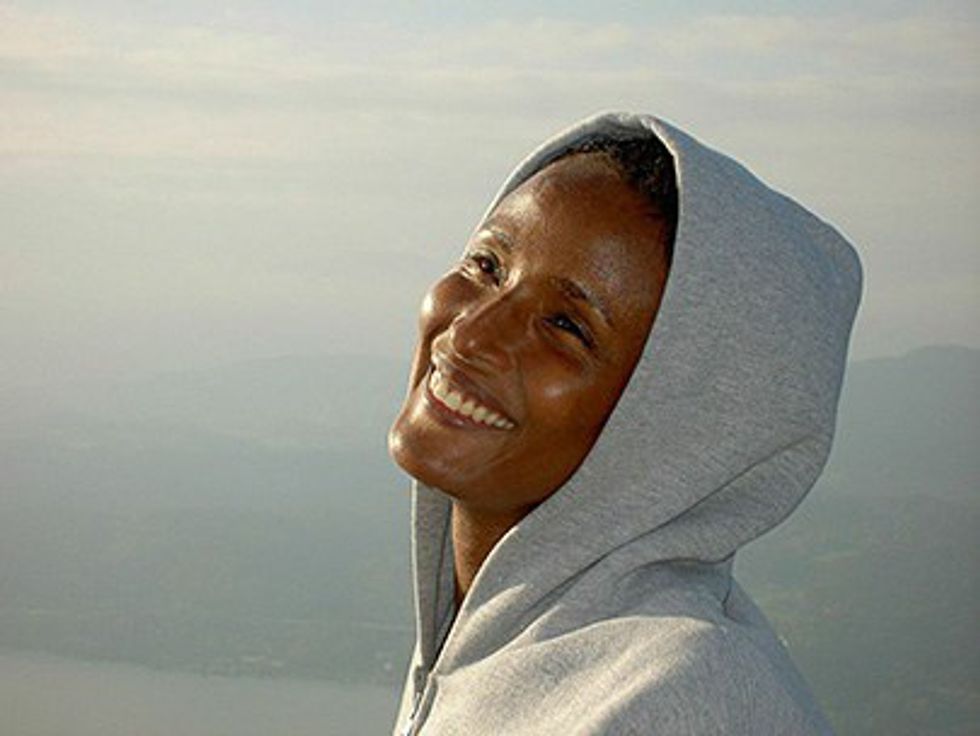
Becoming the first African model in the 80’s is not what makes her story so special; the focal point of the story is that at the young age of five, Waris underwent a procedure that is very common in countries ranging from Africa to the Middle East. Much like the 8,000 young girls who experience this procedure every day, she underwent FGM, or Female Genital Mutilation.
This is a procedure that has been performed for centuries, leaving over 130 million women effected. According to UNICEF, FGM dominates over 95 percent of Somalia’s women and young girls. The procedure is performed on girls between the ages of four and eleven. The operation involves the complete removal of the clitoris, labia minora and severing of the inner side of the labia majora. It is then that the sides of the labia majora are sealed together, leaving a small hole that is big enough to allow urine and menstrual discharge to pass. It is common for the procedure to be completed without any use of anesthesia.
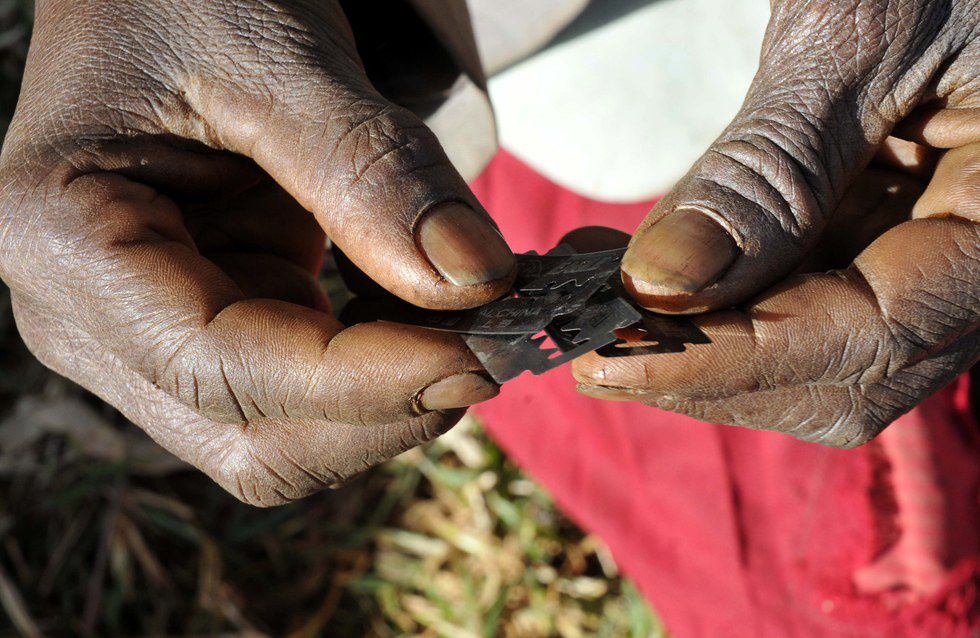
While I can go on and on about the psychological effects that this procedure can have or the general harmful effects it places on women, my point today is that while this procedure happens far from the United States, this is an issue that we need to focus our energies on, regardless of how people believe this may directly effect us. The truth is, that this social justice issue is much bigger than us.
Despite the fact the U.N banned the practice of FGM worldwide in December of 2012, there are still many strides to take to completely demolish the practice. Nigeria took one of the biggest strides by banning FGM back in May 2015, opening the eyes of millions around the world. With the banning of FGM in Nigeria came a lot of relief.
I recall coming across many discussions on social media about what this meant for women around the world; conversations amongst feminists, Christians, advocates, you name it. With this law coming into play, I felt something that wasn’t getting talked about as much, that I feel is the real conflicting part of this victory.
As a feminist, I should be ecstatic that such a horrible ritual should be banned. I mean, after all, this procedure but women at risk for infection and could ultimately cause infertility or death. This wasn’t just a women’s rights issue, it was a human rights issue. It clicked to me, though, that my westernized opinion was only a small fragment in the fight for justice; if you could call it that.
Being a part of this society in the U.S., I am privileged to a lot of things. Yes, I happen to be oppressed to many things due to my gender, orientation and race, but there is still a form of privilege that comes with living in the U.S. compared to living in a country like Somalia or Nigeria. Where I see FGM as a horrible procedure, not everyone sees it that way. While there are millions of women that are effected by this procedure, there are still even more women that see this as a part of their culture. And while we may see this as a culture shock in a way, there is a culture stigma for these women that they have to face after this operation is banned.
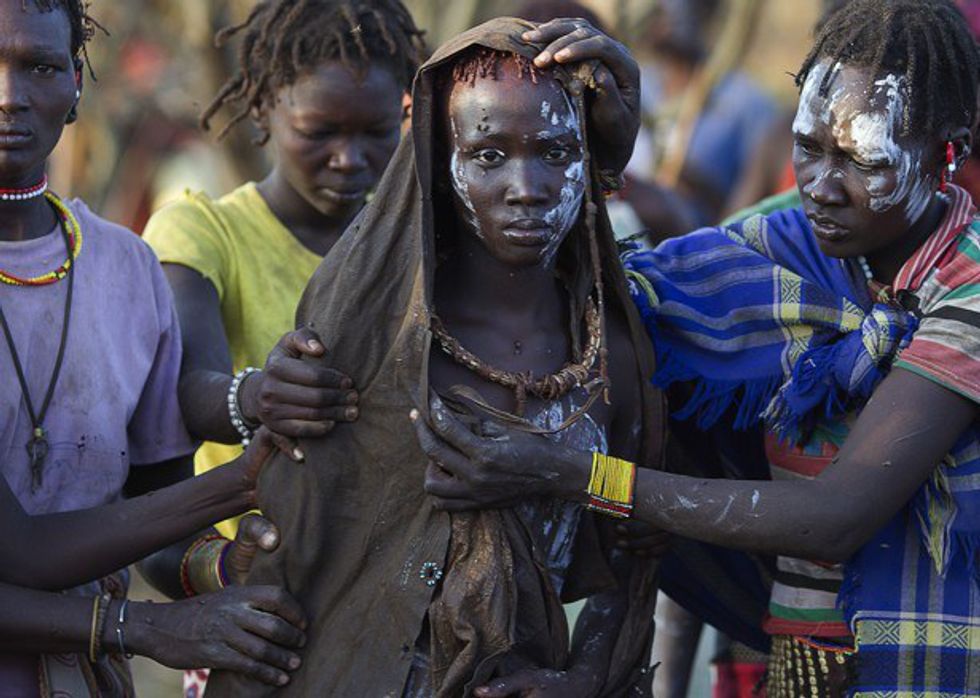
While women fight for their own reproductive rights (the right to access birth control, the right to abortion), we forget the stigma that can come with these fights.
I am not saying that we should stop fighting to bring this serious issue to light. What I encourage each of you to do is consider how to other side of the fight might feel; what they are going through as they try to figure out what this fight really means for them. It is okay to feel conflicted about your role in this fight, whether you are a feminist or not.
While Desert Flower opened my eyes to a world I never knew existed, I hope that our society experiences something similar to what I have experienced. I hope that there is someone out there reading upon this article and feeling a sense of conflict while also feeling an incredible sense of wanting to learn more. This is not just an issue for women to fight for, this is an issue for all people to fight for.