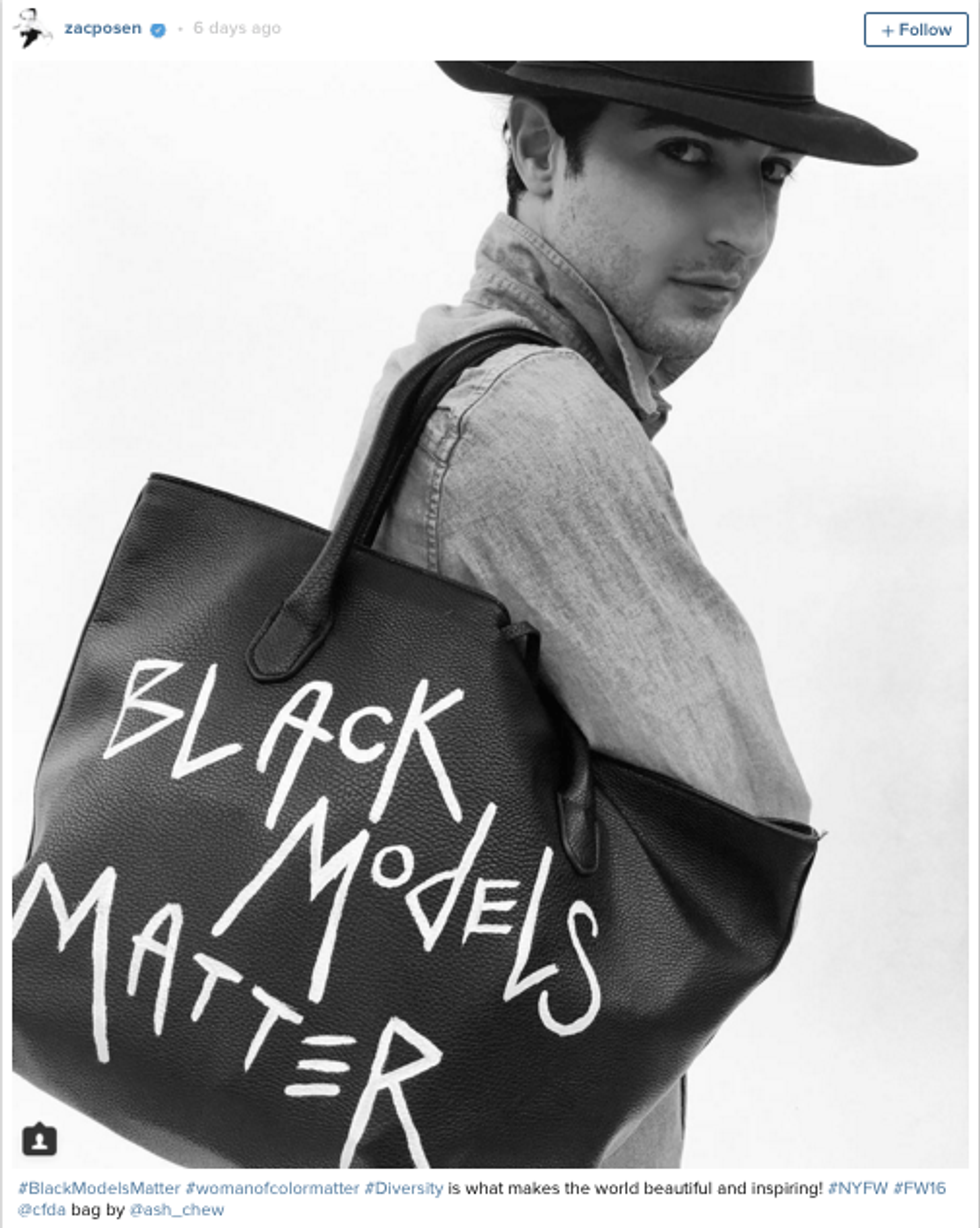
Last week was the kick off Fall/Winter 2016 ready-to-wear fashion month starting in the design mecca of the U.S., none other than New York City. While Instagram and Snapchat feeds were spilling with videos of runway looks and backstage glam to snapshots of front row fashion royalty and sidewalk style stars, it was the unique diversity of Zac Posen's band of smartly dressed women clad in artfully tailored pantsuits and conservative asymmetric dresses that captured the attention of fashion-fanatics like myself.
In a world of Gigi Hadids and Kendall Jenners, the representation of women of color in the media from fashion campaigns to magazine editorials remains a important, but relatively ignored issue in the elusive world of fashion. When one thinks of some of the great supers of the modeling industry, legends such as Kate Moss, Naomi Campbell, Linda Evangelista, Cindy Crawford first come to mind.
But the fact the average person with even a remote interest in fashion can only name one, maybe two, prominent supermodels of color showcases the discrepancies in the portrayal of women in an industry that so profoundly reflects society's standards of beauty. While the modeling industry already defaults in its ability to highlight women of all shapes and sizes, a disregard for a diverse color spectrum is yet another weak point in this highly visible field .
This is what makes Zac Posen's statement so profound.
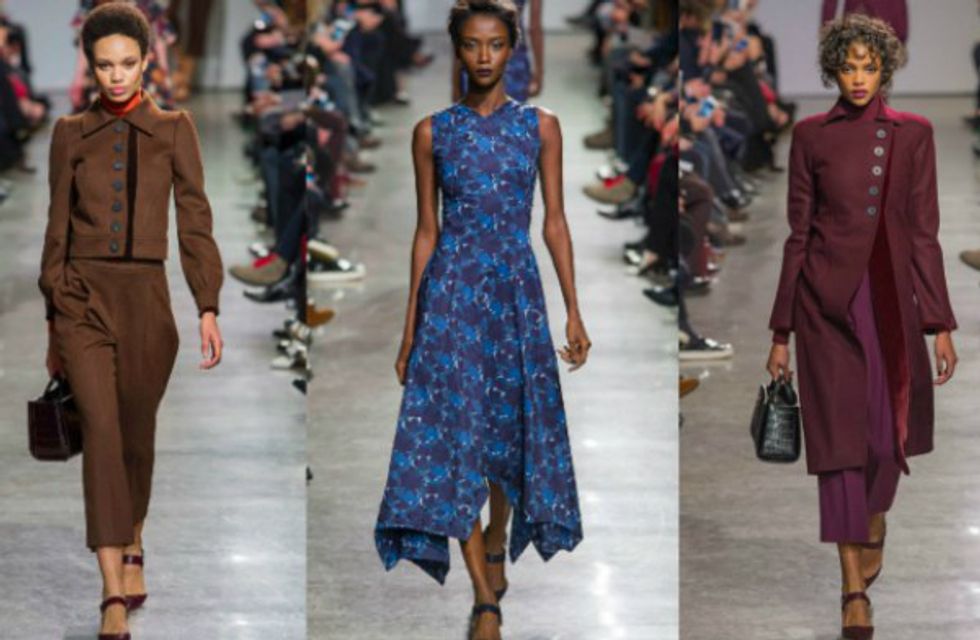
His F/W 16 show said to be inspired by Ungandan Princess Elizabeth of Toro according to CNN.com, featured 25 black models out his total casting of 33 girls which included models of Asian and Indian as well. On his latest show, Posen says, "Within this global environment - diversity is very important and it is something that has always been equally important to me as well as a key component of my collections whether it is shapes, sizes or skin color."
The reality is, at this stage in fashion, it's almost shocking that a casting of models genuinely reflective of the world we live in today with women of all skin colors and ethnicities being represented can be so... groundbreaking. Fashion is a market that appeals to people, not just white people but people of all shades, sizes, sexual orientations and genders. So wouldn't the only logical answer be to make the people outfitting these clothes reflective of that demographic?
While I'm not here to make the case for black lives versus all lives matter, fashion should be all-inclusive. It's hard to indulge in a industry where one can't seem to relate because there are in fact very few people who look like you.
Beauty knows no race, ethnicity, stature or size, and it's past due that this become the norm rather than a revolutionary statement.