
While fashion may seem trivial and inconsequential to some, society and fashion have often been mirrors of one another. As fashion reflects one's identity, one's identity is also shaped by the times.
As different roles and societal expectations changed throughout history, so did the fashions and 2015 is no exception. As we look back on history, we can recognize how fashion articulated the modernity and innovation of the times.
Look at the 1920’s, for example. Women had just won the right to vote after years of the Women’s Rights movement, the world was speeding up with full production of cars and airplanes, and the jazz age was in full swing during Prohibition. Life for the youth was liberating, fun, and fast-paced. Gone were the Victorianism corsets and restricting dresses, and along with it, the formality from the generation before them. Women's fashion of this time blared and echoed that they wanted to move with this new lifestyle. Tubular, free flowing, shapeless dresses allowed for movement and reverted away from the “shaping” dresses that had been in style years before. The fashion was more celebratory, less stuffy, and stood for a more casual kind of woman.


During the 1960’s, we saw the rise of the coveted miniskirt. A piece considered a staple for today's women was once a part of a cultural rebellion, as the youth of the time were rejecting standards and proudly baring their legs -- a notion that society was becoming more liberal, especially the women. The miniskirt was a symbol of a liberated woman who rejected conventionalism through her choice of clothing. It made a statement within a society that once embodied the decade before it; where women were seen for their contribution to home life rather than being autonomous humans.
.jpg)
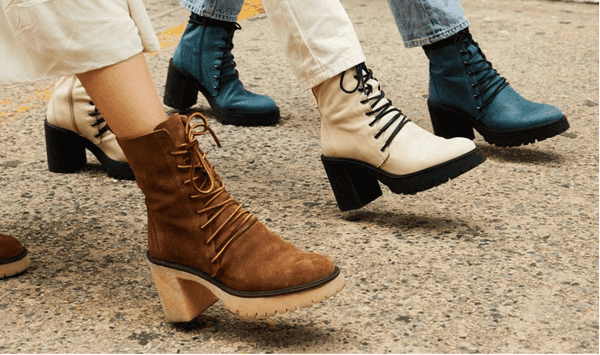
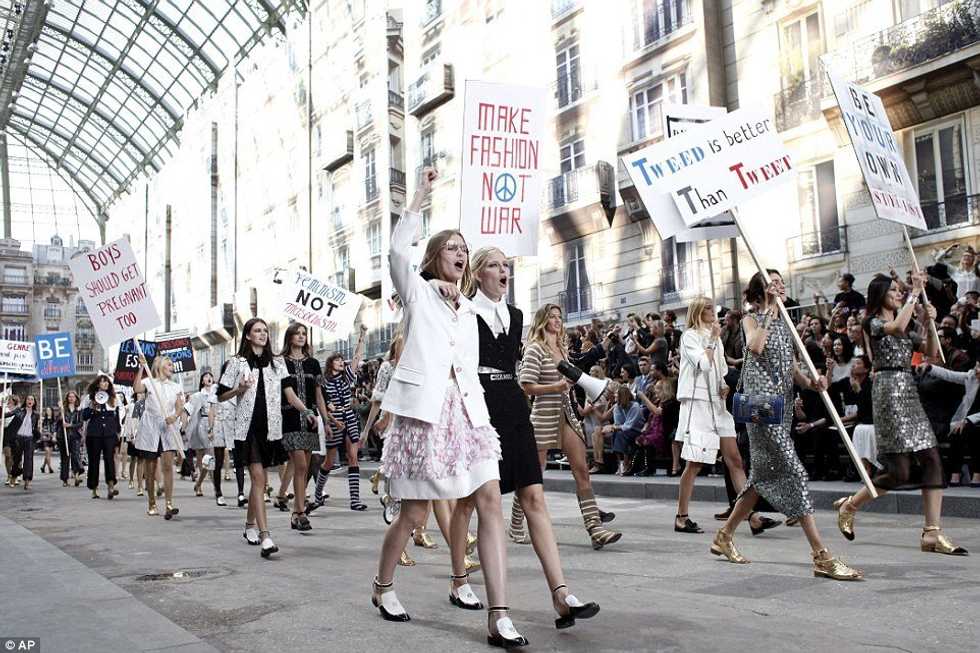
Now, in 2015, women looking to make a statement are often drawn to menswear. But this new “women's” trend has quite the androgynous tone. Is it a trend, or merely a form of adaptation to our new societal surroundings and expectations? The tones of 2015 mimic those of the 60’s and 70’s, being reminiscent of previous revolutionary times in history, through campus uprisings, third-wave feminism, and black lives matter. So it's not shocking that this year’s trends (70’s-inspired for spring, summer and fall) mirror those of the past. Although similar, the trends looming in 2015 offer a fresh, new statement in debuting men's dress shoes for women. In what will soon be history, this trend seems rather appropriate for our time.
Oxfords and loafers graced the runways, street style, and street high fashions stores like Zara and Topshop. Not to be mistaken with the 1950’s saddle oxford shoes intended for teenagers, today’s oxford-esque shoes have much more of an obvious tone of the traditional men’s dress shoe, showcasing wing tips, monk’s traps, and tassel loafers.

This style of shoe indicates that we have entered a period of time more progressive than ever before. Additionally, gender roles are continuing to change for all genders, not just women. In fact, Millennial men and women from 18 to 32 have more egalitarian outlooks about gender roles than any other generation. It's nearly impossible to ignore the parallel between the attitudes of the generation and the shoe of 2015.
In fact, these shoes seem to be part of a larger conversation of gender neutrality that made headlines throughout the year, especially in the toy industry, and massive chain stores such as Target. This larger conversation has now found its way into fashion industry as well, continuing to set the tone for changed identity's and fashion's role in this all.