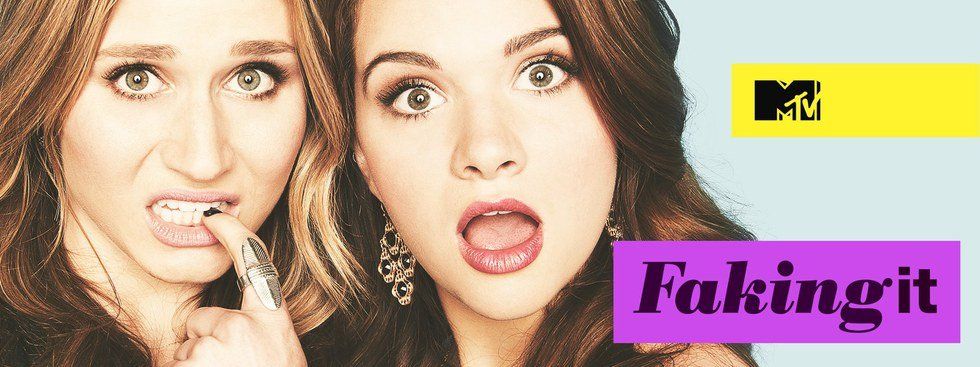
Only MTV would create a show in which two high school girls fake being a lesbian couple for popularity. Faking It is set at Hester High, Texas’s most liberal high school where the minorities rule and the traditionally “cool” kids are the outcasts. Karma Ashcroft has one dream in life: to become popular and win the heart of cutie Liam Booker (gross). With the help of her slightly annoyed but ever dutiful best friend Amy Raudenfeld, she pulls off numerous schemes in an attempt to gain an edge, but nothing seems to work until the pair are mistaken for a couple. At first, they’re both quick to squash the rumors, but when they begin gaining popularity and ultimately are nominated for homecoming queens, Karma convinces Amy to go along.
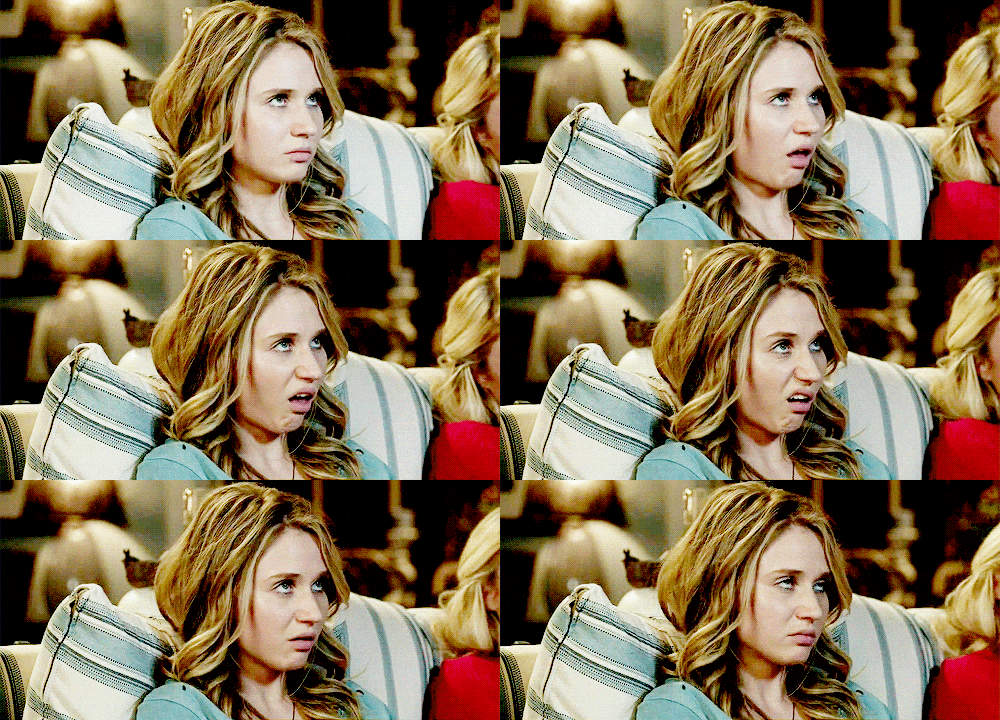
Let’s be honest: this sounds like a terrible premise. It’s overdramatic and dripping in cheese. And to some extent, it is. I often find the dialogue trite and some of the side storylines a bit over the top. But at its core, it’s not only an engaging, fun, and sometimes silly show. It’s important.
Towards the end of the pilot, the validity of their romance is questioned, and in a last effort to convince the student body that their love is real, Amy kisses Karma in front of the entire school. Everyone cheers, Karma winks, and Amy realizes she just might be a lesbian.
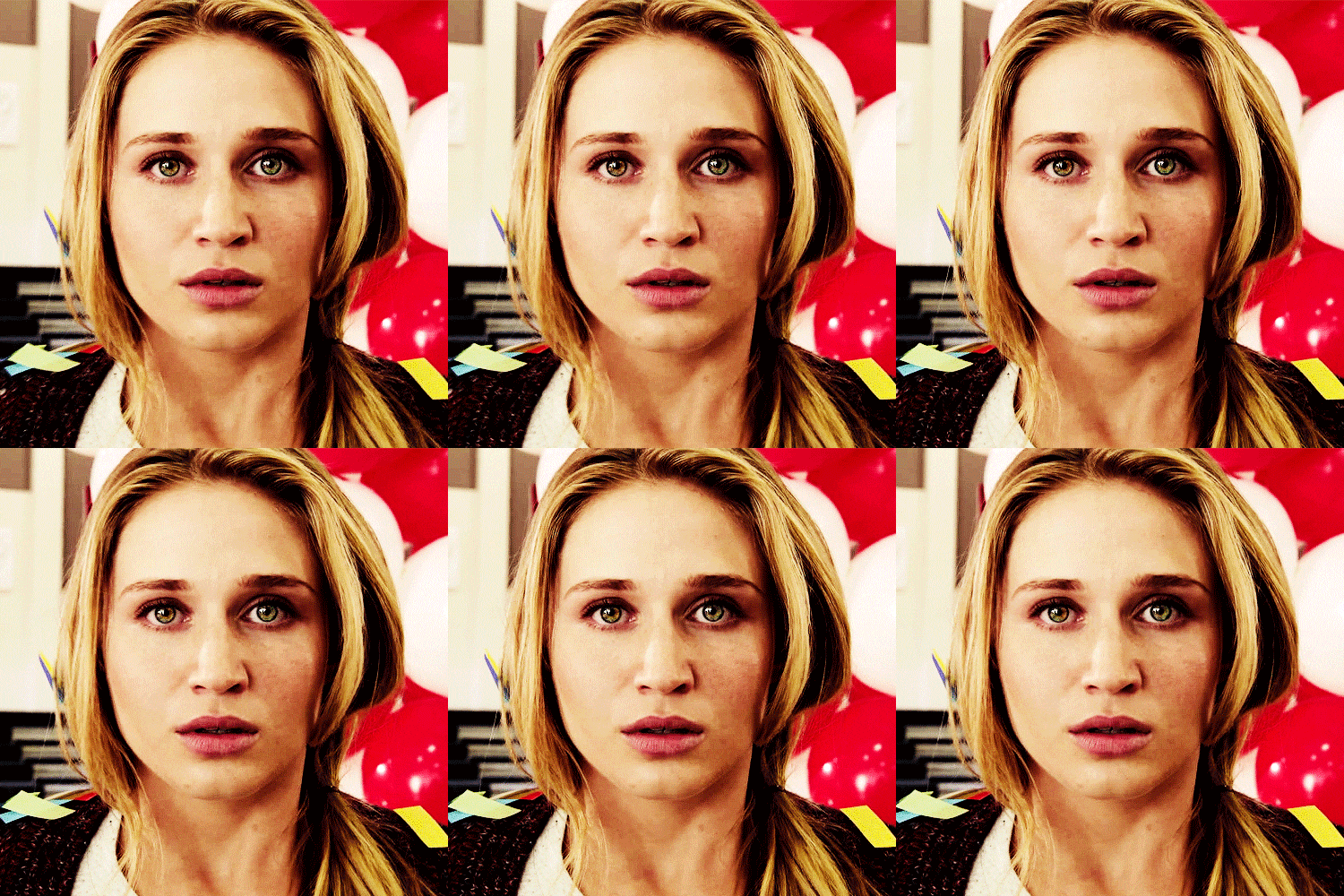
This is why I love Faking It. It’s not just a story about two girls pretending to be lesbians. It’s a story about one girl coming to terms with her sexuality and the fact that she may actually be in love with her best friend. And maybe even more of why I love it is because it’s so cheesy.
Representation is important in all forms, and having more queer characters in different types of shows that different people might watch is fantastic. Until recently, lesbian characters have mostly been limited to fantasy (Buffy the Vampire Slayer) or specifically given their own shows that viewers outside of the LGBTQ+ community tended to stay away from (The L Word). And while these are both good examples of representation that I enjoy, it’s nice to see new representation in different genres.
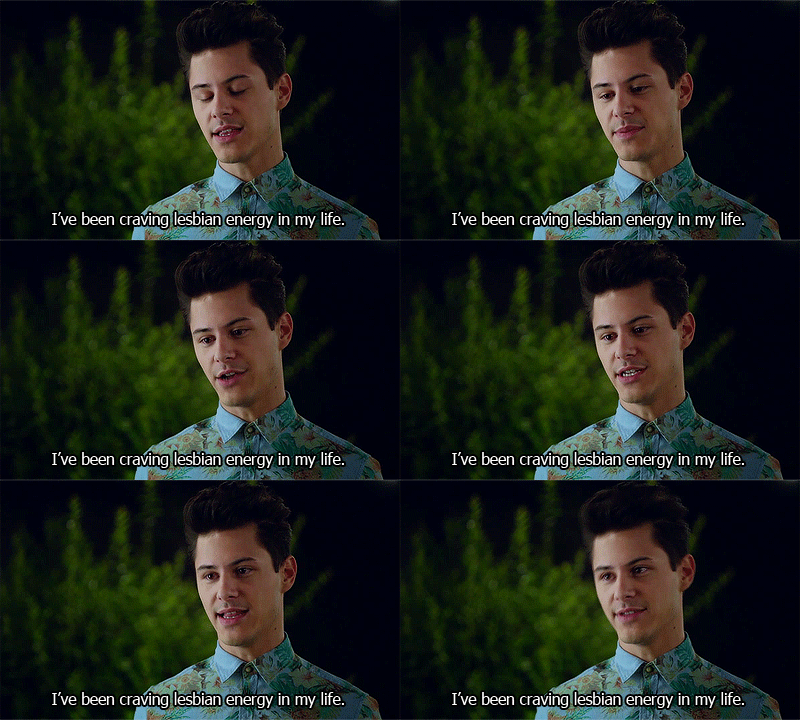
By including LGBTQ+ characters in all different kinds of shows, you’re exposing more people to this truth. Viewers who are questioning their identity will see themselves in queer characters that they might not have otherwise known. Straight and/or cisgendered audience members will see queer characters normalized.
I could list hundred of reasons why representation is important, and to see more of it on a diverse array of mainstream networks is positively beautiful. While I tend to stay away from most shows on MTV, I adore Faking It for exactly what it is.