
Time.
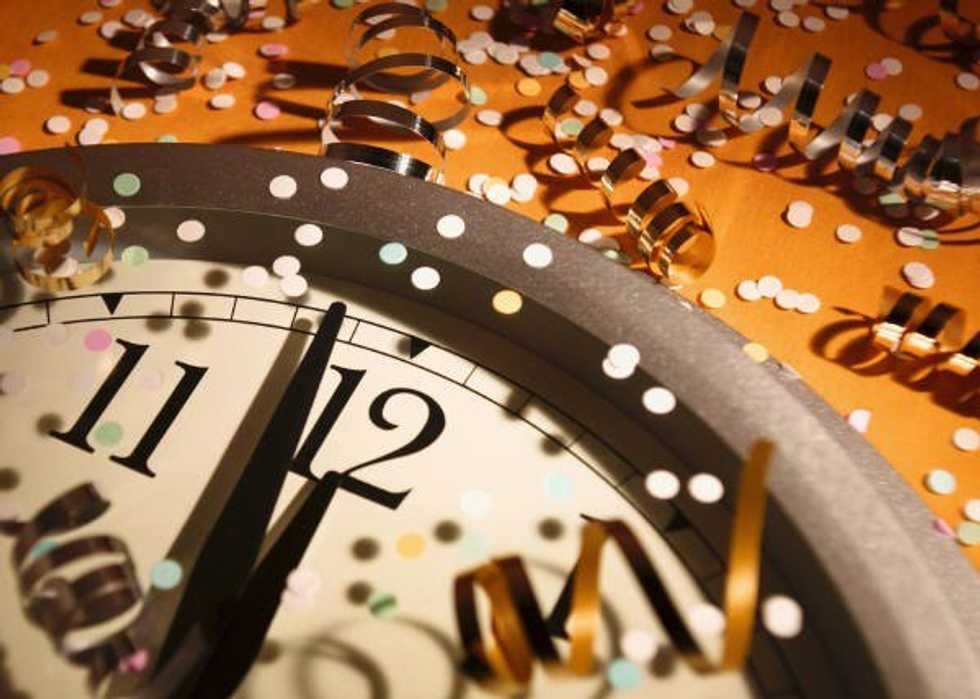
It's a single word that ultimately controls every aspect of our lives. How late can I wake up and still be in class on time? How long will this take, I have another meeting at five! Perhaps the hardest, or cruelest, version of time is when someone doesn't have much of it left. It can bring pain, joy, sadness, and pleasure as it ebbs and flows. Perhaps one of the most well tracked pieces of time the world over, is the ten or so seconds before the clock strikes twelve and one time zone after another rolls over into the new year.
Fireworks go whizzing through the air. Streamers, confetti, poppers, and various other paper toys make appearances as well. Of course, there are also those revelers that choose to imbibe one drink or another-hopefully in a responsible manner. Why is it that a majority of the world takes over two days to celebrate the turning of one year to the next? Most don't question why, and just respect their right to party come the 31st of December. New Year's celebration actually has roots as far back as the ancient civilization on Mesopotamia.
The New Year wasn't always as we know it. For a majority of early history it was celebrated during spring-a literal and symbolic time of rebirth for the earth. The celebration, which lasted for several days, was known as the Akitu. It was a symbolic cleansing as statues of their gods were paraded through the streets of the cities. There was also a political element involving the ritualistic-seeming humiliation of the king. It is believed that if royal tears were shed, that the god Marduk was pleased, and thus the king's rule was symbolically extended. New Years used to have much more symbolic and religious connotations than it does today.
As society moved away from having a majority of people farming, the idea of appeasing certain gods and celebrating the arrival of spring moved away as well. It was the Romans who provided us with the more familiar date of the first of January-the name of the month being derived from the two faced god Janus, the god of change and beginnings. Janus looked both back at the previous year and forward to the new one. The Romans would give offerings to Janus in hopes of having a good and plentiful year to come.
As this tradition too came to an end, so did the type of calendar used by the Romans. The Julian calendar eventually fell out of use do to its drifting off course by about ten days. The Gregorian calendar is more widely used today, and as such lets us know when to start counting the days until the next year is ushered in.
It's easy to see that as time marches forward and we welcome one new year after another, the way in which we welcome it has changed just as much as the time has.
Here's to hoping time treats us well as the year begins.