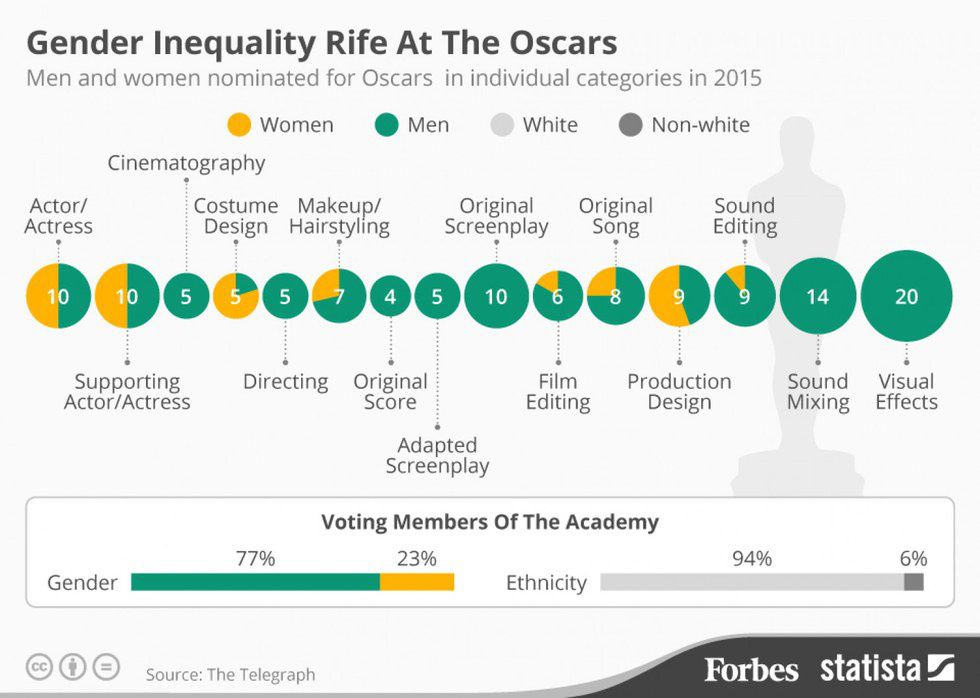
Although the 2015 Oscars have long since come and gone, many may still remember the controversy surrounding the lack of diversity among the nominees. Once the list of nominees was released the public was overwhelmed by how most of it was made up of middle-aged, white male actors. There were no female directors, screenwriters or cinematographers nominated, nor actors of color.
#OscarNoms No female directors, screenwriters, or cinematographers. No actors of color. #diversity
— David Daniel (@CNNLADavid) January 15, 2015The Oscars revealed much about the amount of racial underrepresentation in Hollywood as well as how many actors of color go unnoticed by award shows. However, even though the Oscar-centered debate has ended, the conversation has kept going with the help of actor Dylan Marron.
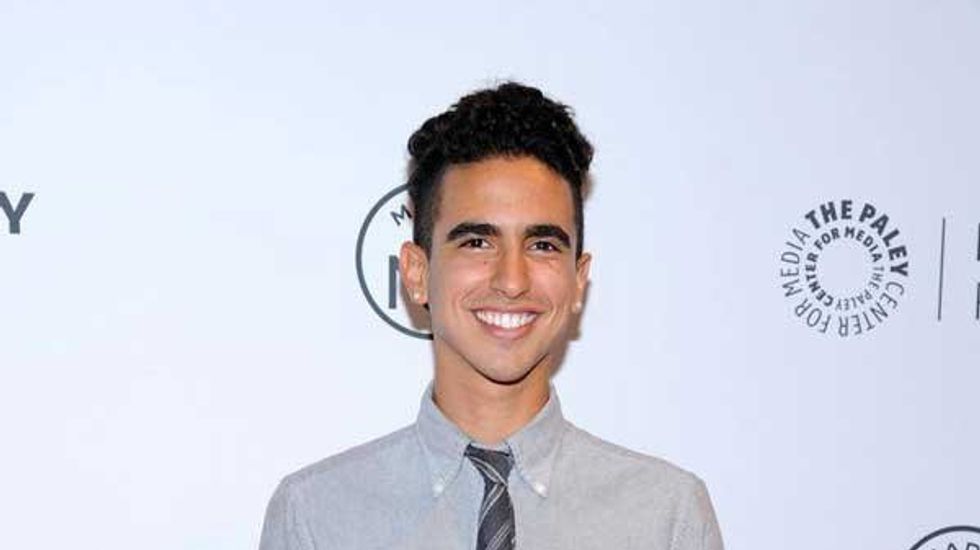
On June 17, Marron uploaded a video to YouTube titled"Every Single Word Spoken by a Person of Color in 'Enough Said.'" The 45-second long clip features actress Anjelah Johnson-Reyes as Cathy, a disgruntled maid who is seemingly tired of working for the family she was cleaning up after. This clip shows how despite being a 93-minute long movie with big actors such as Julia Louis-Dreyfus and James Gandolfini, a person of color is reduced to barely a minute of speaking time.
Marron currently has 15 videos uploaded dedicated this topic, with big name movies such as "American Hustle," "The Fault in Our Stars," and "Her." His video "Every Single Word Spoken by a Person of Color in 'Harry Potter and the Sorcerer's Stone'"'" is currently the only clip longer than one minute. On the opposite end of the scale his edit of the movie "Into The Woods" reveals not a single word was spoken by a person of color.
"I remember watching [the movie] and I was like, wow, this is not at all told through any kind of lens that has much empathy for people of color," Marron said in an interview with Washington Post in regards to "Enough Said." "You know, the only [nonwhite] speaking character is the maid Cathy. It felt like the film was so unaware of itself. It's a really, really sweet, well-made film. I just think that is when it's so insidious, is when it's in these really well-told stories that we can totally forget what coding we're kind of absorbing."
Marron shared that him being a Venezuelan-American actor has resulted in being first-handedly excluded from certain roles in Hollywood.
“Even as early as high school, when I would be performing in school productions, sometimes casting directors would come check out the plays and sometimes they would call me in for auditions for roles, and then out of those I would get meetings with agents,” Marron said. “And the agents would always tell me the same thing, which was that there wasn’t that much work out there for me and that I was never going to play the romantic male lead. It’s an incredibly hard thing to hear, but you don’t realize it’s hard. It’s just that’s the answer.”
In the annual 2014 Hollywood Diversity Report released by the Bunche Center at UCLA facts about the industry said much about the lack of progress in terms of equality and representation. Researchers examined 172 theatrical films released in 2011 and 1061 TV shows aired during the 2011-12 season on six broadcast and 62 cable networks. One of the biggest finds was that having a more diverse cast results in more money. Films with 21-30 percent diversity earned a global median box-office total of $160 million, while films with less than 10 percent diversity made $68.5 million.
Other finds were that over 90 percent of Oscar-winning films were directed by men and over 80 percent of Oscar-winning films feature male leads. Also more than 60 percent of broadcast comedies and dramas have writing staffs that are 10 percent minority or less.
In regards to why Marron thinks people of color are not being cast, he stated in the Washington Post interview that he wants to know “why are we using white people to tell these universal stories? And what is that saying?”
“I think it’s saying something really dangerous and the message it gives to people of color — and I can say this as a person of color who grew up watching these stories that I related to thematically and didn’t see reflections of myself in them — what it tells you is you don’t really have a place in this world,” Marron said. “And this is your place. Your place are these specific speaking roles and you’re mostly credited as your job, like ‘bus driver’ or ‘waitress no. 2’ or ‘hostess.’ I think what is so insidious about this is that it just creeps in.”
In a society that has grown accustomed to finding and correcting problematic statements and instances via social media, Marron’s project highlights a problem that seems to desperately need attention. He said that while he was not the first person to point out this problem, he is glad that his work has been receiving positive attention and has highlighted the issue.
“… we really don’t have the tools to talk about systemic racism,” Marron said. “I’m not saying that any of these films are racist. I’m not saying that any of these filmmakers are racist. I’m saying that the system that they’re contributing has some deeply racist practices.”
If you want to learn more about Marron’s "Every Single Word Spoke" project, check out his Tumblr and YouTube.