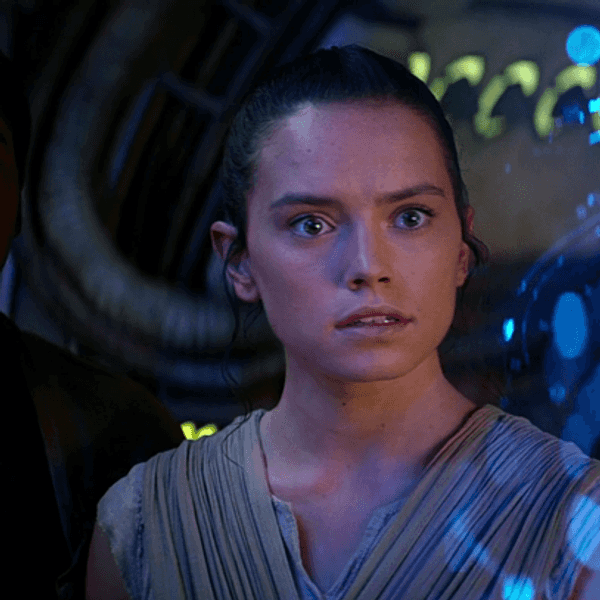

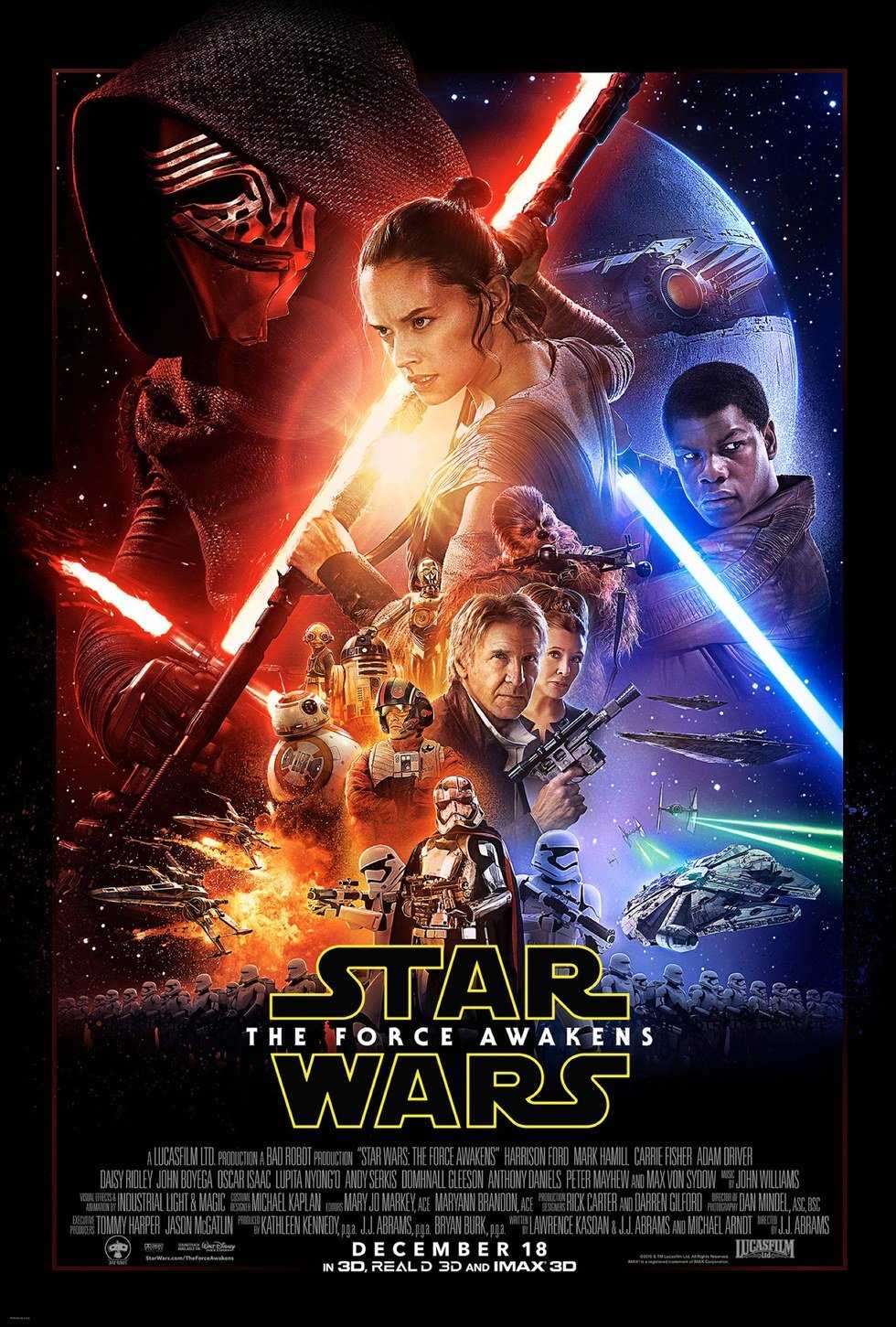
When “Star Wars: Episode VII-The Force Awakens” released their final trailer last week, the nerd community erupted, but not everyone’s reaction was in support of J.J. Abram’s installment. While the trailer showed us amazing effects, intense aerial battles and the return of Han Solo, Chewbacca, and Princess Leia, what caught the eyes of a select few was the race of leading actor John Boyega.
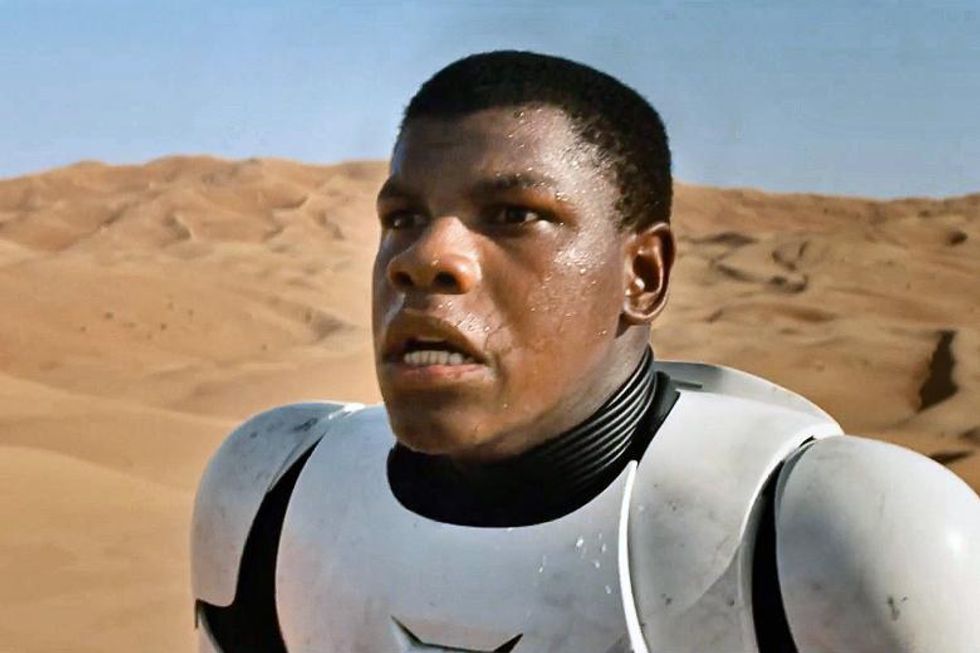
On Oct. 18, #BoycottStarWarsVII was tweeted by one user, and by Monday, the hashtag was trending on Twitter. The initial tweets in support of the hashtag accused the film of being anti-white and too politically correct for casting a black actor as the lead.
This wasn't the first time fans have reacted negatively to casting non-white actors in a popular franchise.
“Getting upset about the races of fictional characters is not just a Star Wars thing," Trevor Noah reported on "The Daily Show." "It happened with Rue from ‘The Hunger Games,’ it happened with Spider-Man and earlier this year it happened again.”
Aug. 7, 2015, ‘Fantastic Four’ released with Michael B. Jordan, a black actor, playing the originally white character Johnny Storm. In response to this change, fans took the Internet and expressed their discontent with a black Human Torch.
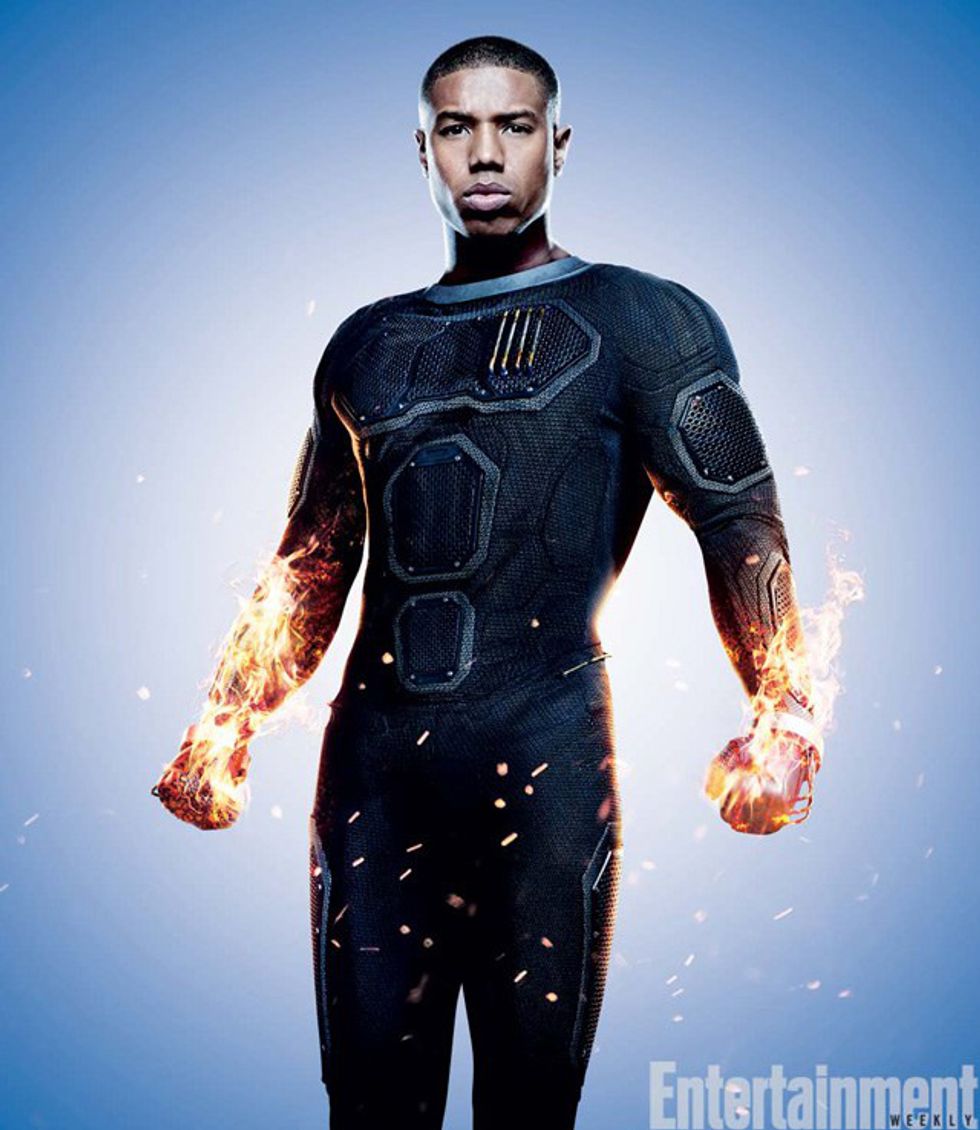
“I can’t ask the audience to forget 50 years of comic books,” Jordan wrote, “but the world is a little more diverse in 2015 than when the Fantastic Four comic first came out in 1961.”
Other moviegoers share Jordan sentiments. As seen with #BoycottStarWarsVII, a majority of tweets were calling out supporters for their racism, ignorance and petty nature.
While scrolling through the hashtag, I found only a handful of supporters for #BoycottStarWarsVII, and two users were the driving force behind a majority of the racist tweets.
So while we can go on about the hashtag itself, that would give into the trolls who started it. Instead, let's focus on how #BoycottStarWarsVII can bring attention to racial representation in Hollywood.
"At every level," Darnell Hunt, co-author of the 2015 Hollywood Diversity Report, says, "in every arena, women and minorities are under-represented in the industry."
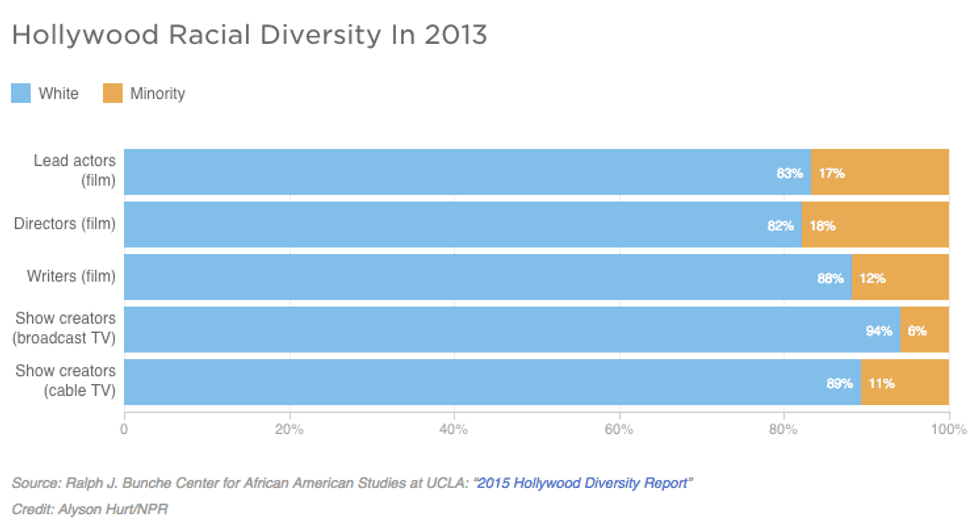
In 2011, out of 172 films, 10.5 percent of leading males were a racial minority, despite racial minorities accounting for 36.3 percent of the U.S. population. Based on these statics, minorities were underrepresented three to one.
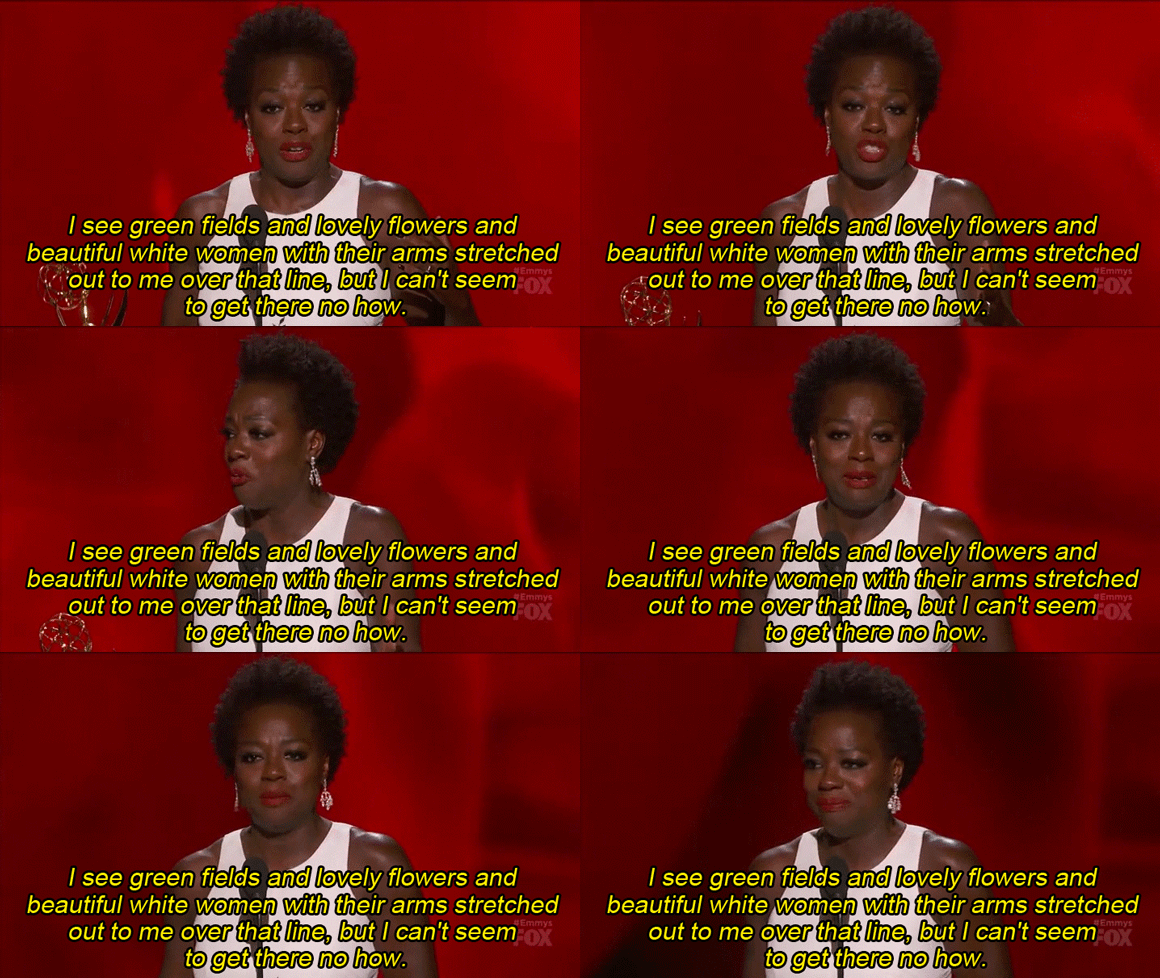
It’s obvious Hollywood has a problem with racial representation, even to those working in the film and television industry. During her acceptance speech at this year’s Emmy Awards, Viola Davis called out the industry on the lack of opportunities provided for women of color.
“The only thing that separates women of color from anyone else is opportunity,” Davis said. “You cannot win an Emmy for roles that are simply not there.”
Not only is this lack of representation limiting the opportunities for minority actors, it also impacts audience members.
“Media images contribute greatly to how we think about ourselves in relation to others,” the 2014 Hollywood Report stats. “When marginalized groups in society are absent from the stories a nation tells about itself, or when media images are rooted primarily in stereotype, inequality is normalized and is more likely to be reinforced over time through prejudices and practices.”
Max Weisbuch and Nalini Ambady conducted research on the effects of media on the consumer and found that representation in media can affect the attitudes of viewers.
“Participants showed greater racial bias after viewing television clips that depicted white characters exhibiting unfriendly non-verbal behavior toward black characters,” Weisbush and Ambady found in their research.
With the impact representation can have on audiences, it’s important to have diversity in films, especially in popular franchises like “Star Wars.”
"Star Wars: Episode VII-The Force Awakens" broke IMAX pre-sale records at $6.5 million, and will be seen by thousands of people. Having a diverse cast in such a large production is a huge step forward for Hollywood, especially given its track record for predominately white films.
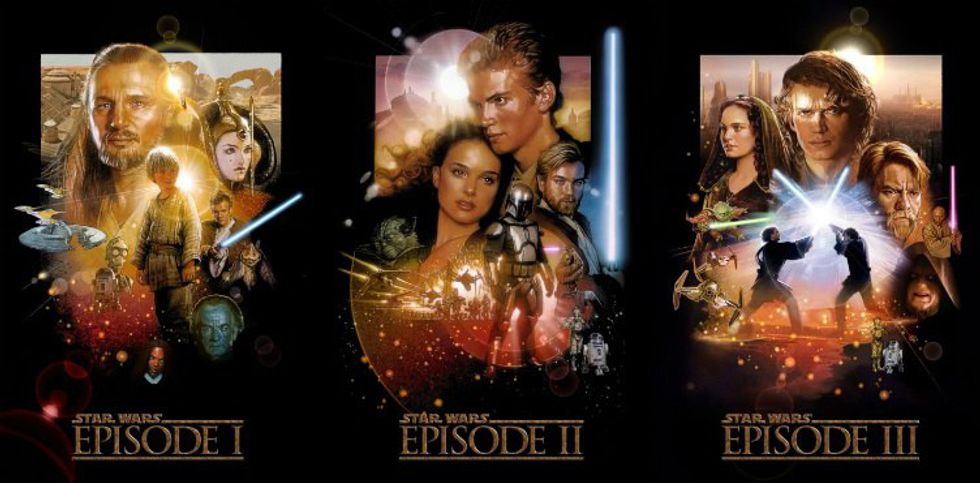
So to the racists trying to find fault with the film, I’ll repeat the words of Trevor Noah: “Stop complaining racists. You had your Star Wars movie already.”