On Tuesday morning, March 22 I woke up to a strange and extremely interesting Facebook notification on my iPhone’s lock screen. It had stated that one of my friends—not just a Facebook friend—was “marked safe” during the “Brussels Explosions.” Even though I knew my friend was safe I still immediately became not only interested but concerned about what had happened.

Once again Europe faced attacks on its ground when a normal Tuesday morning wasn’t so normal anymore. Last week, three explosions hit Brussels, the capital of Belgium, killing at least 34 people, including two suicide bombers, and injuring more than 170 people. Two explosions occurred at the Brussels Airport in Zaventem and the other occurred at Maalbeek metro station in Brussels.
After the blasts, Belgian authorities began looking for ties to the wreckage and if there was a possibility of another explosion. The Belgian authorities have given their U. S. allies photographs of possible suspects. Despite the fact that there has not originally been an official claim of responsibility, many well-known ISIS (The Islamic State of Iraq and the Levant) supports had celebrated the attack on social media—especially one on Twitter featuring “What will be coming is worse.” And later on, ISIS has claimed responsibility for the attacks. These bombings have been the deadliest act of terrorism in Belgium’s history.
Belgian Prime Minister stated, “We were fearing terrorist attacks…” and with good reason. Last November, Paris, the capital of France as well as the most populated city in the country, had been attacked. It has killed about 137 people and wounded about 368 people. A few days earlier, Belgian authorities had captured Salah Abdeslam, Europe’s most wanted man, who has been a suspected terrorist.
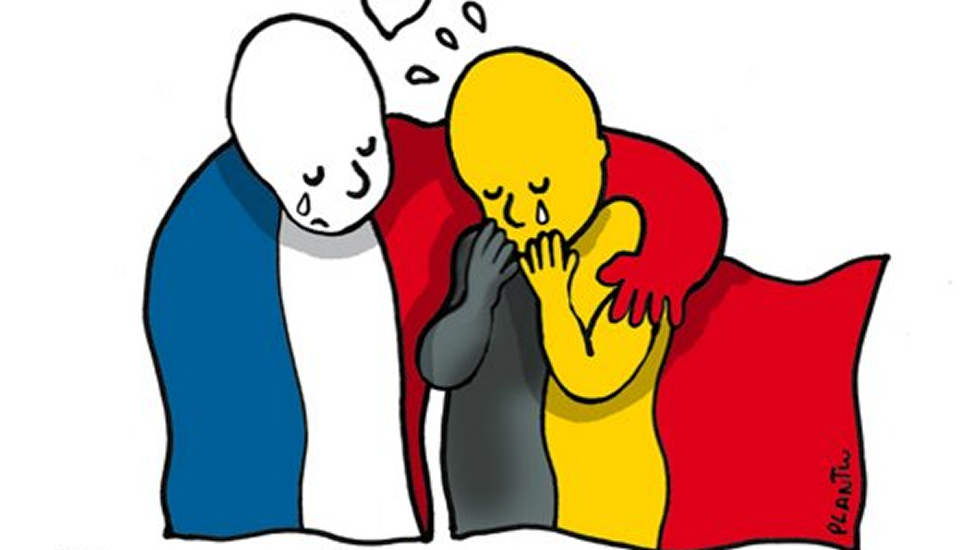
Furthermore, according to CNN Belgium has called for a national “three-day mourning period” for those to cope who have lost their loved ones. And on Wednesday, March 23rd the League of Imams in Belgium issued statements condemning the bombings, expressing condolences to the friends and families of the victims, and a one minute silence at its local noon time.
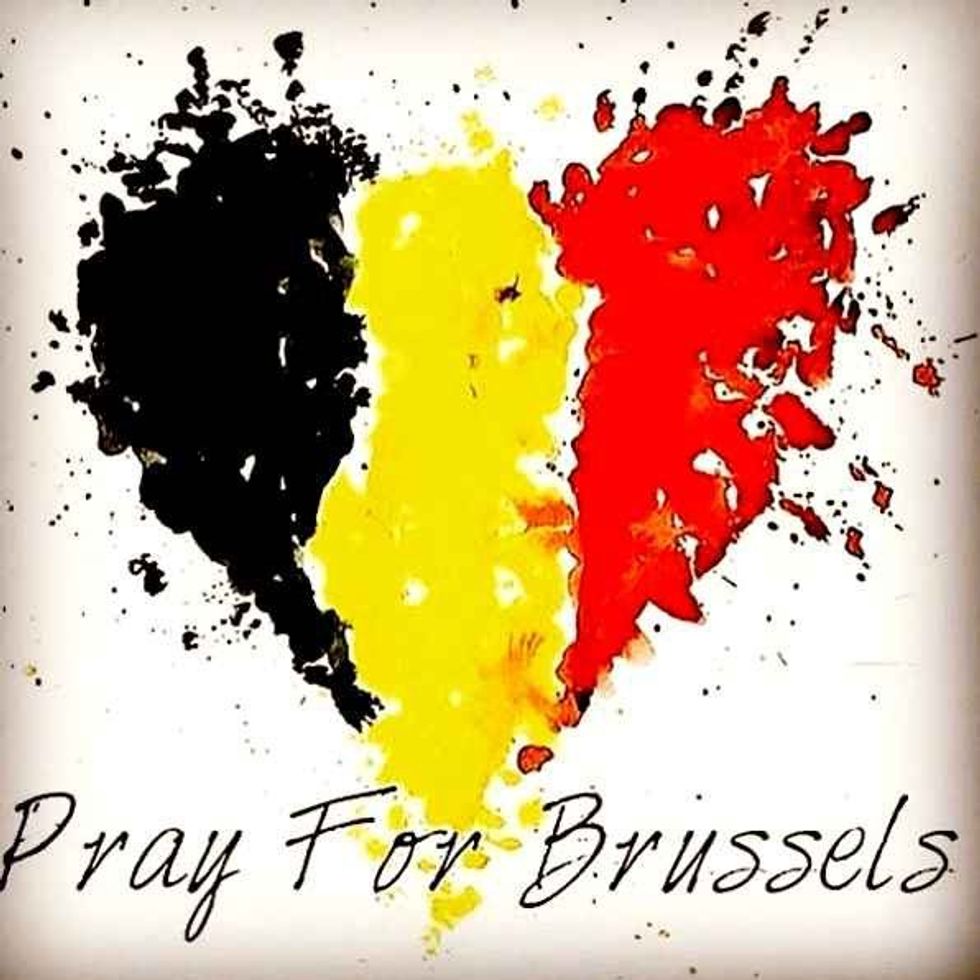
News of the attacks has been all over social media. The hashtags “#PrayForBrussels,” “#PrayForBelgium,” and “#JeSuisBruxelles” (#IAmBrussels) have been trending worldwide on Twitter. The notification I had received is a new feature that Facebook added known as the “safety feature” in order for those in the area of the attack to let their friends and family know of their status.
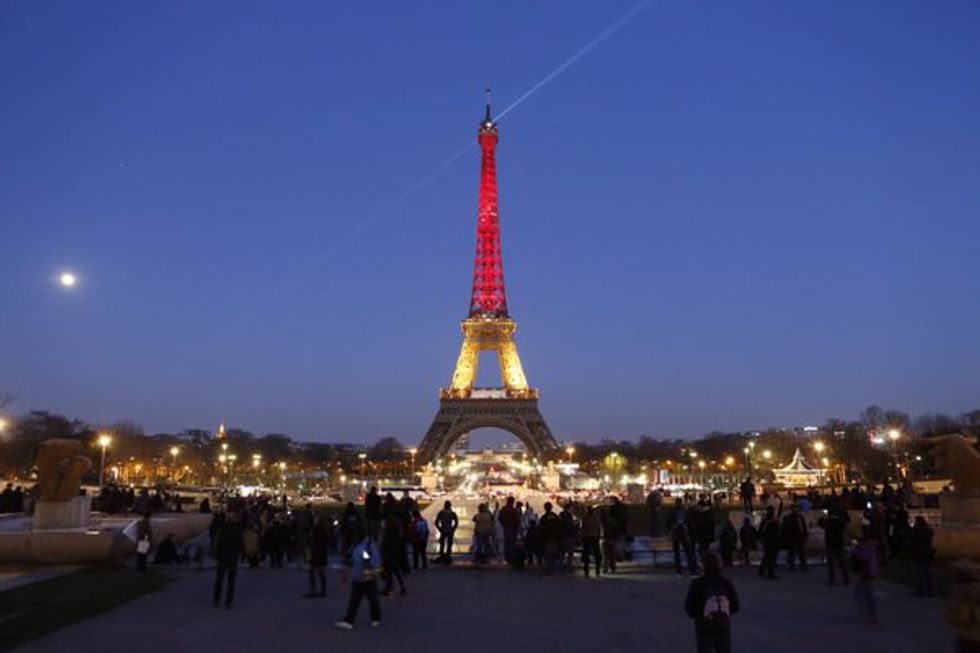
Numerous countries, national leaders, political candidates, and international organizations have expressed comments and lit monuments. Most notably, Paris had lit up its Eiffel Tower in the colors of Belgium.