January 2017 is the third warmest January one record in 137 years. February in Wisconsin is usually characterized by frigid temperatures, frozen lakes, and copious amounts of snow. This week however, for not only Wisconsin, but states all around the United States, was extremely warm. Don’t get me wrong, I enjoyed the sun, the 60-degree weather, and the ability to go outside without a jacket for the first time in months, but it is alarming. No matter what anyone says, after this week, it is undeniable that climate change is a real and growing issue. Climate change, a normal earth process, that we humans have managed to speed up and make more severe, hindering the Earth’s ability to readjust itself. Climate change is a change in global climate patterns, largely a result of human’s increased use of fossil fuels, leading to higher levels of atmospheric CO2. This carbon dioxide become trapped in our atmosphere, and adds to the increase in the earth’s temperature.
Carbon dioxide levels are at an all-time high. The global temperature is 1.7 degrees Fahrenheit higher since 1880. Granted global temperature naturally fluctuates, getting higher and lower, however as a result of global warming, the greenhouse effect, and fossil fuel use, humans have raised the global temperature significantly. Arctic ice and the polar caps are melting, and are at an all-time low. The ocean is warming up as well, presenting a threat to marine life. The earth is one big, predominately closed system, and everything is inherently connected and influences our lives, whether people choose to believe it or not.
As scary as it is to admit, climate change is only one of many issues that our generation and generations to come must face. In addition to climate change, fossil fuel and greenhouse gas consumption and emissions, issues such as overpopulation, energy sources, natural resource depletion, etc. loom in our future as well. One of the most significant problems involves a basic human need, water.
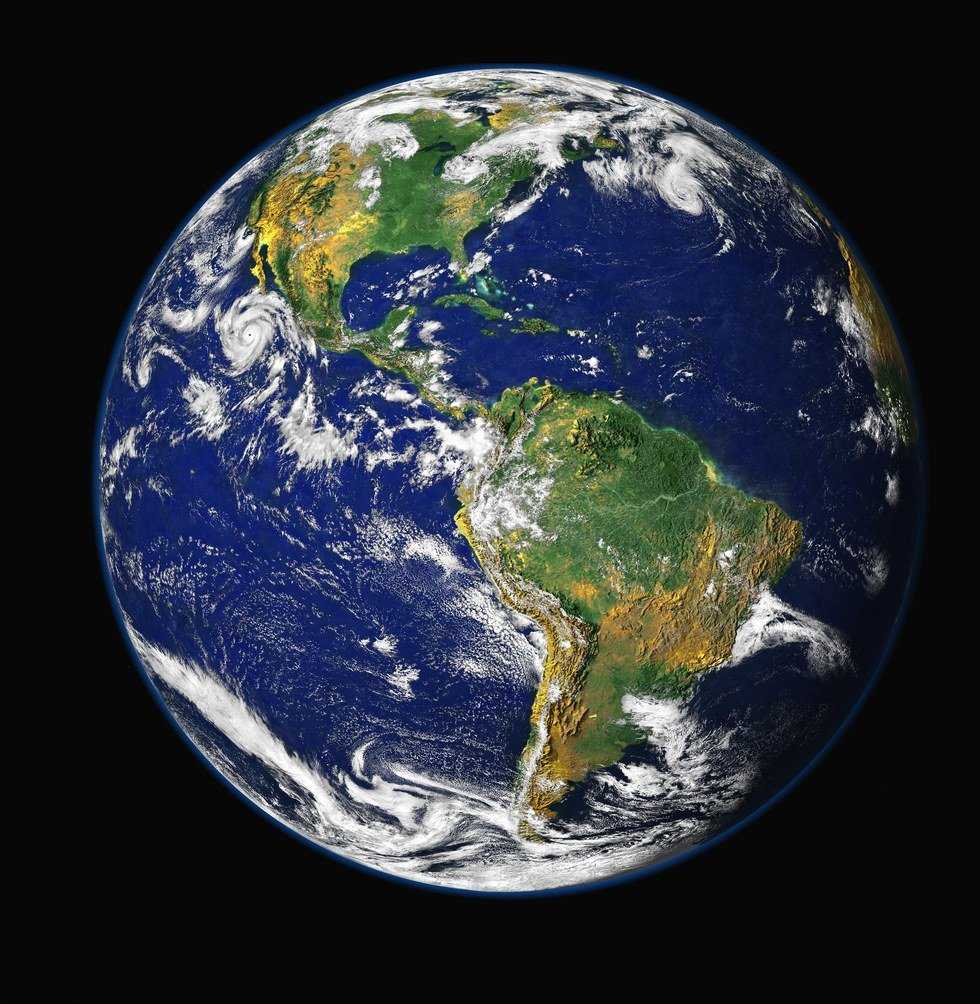
The world continues to dry up. Despite the fact that seventy-five percent of the world is made up of water, fresh water is a limited resource. Out of that seventy-five percent, only 2.5 percent is actually fresh water, and only one percent of that is easily accessible. Approximately eighty percent of fresh water is used for agriculture and livestock, the rest is unevenly divided between industrial use and human consumption.
Although all of this water is going towards the production of food, there is still not enough food or water for the rapidly growing, soon to be over, 8.5 billion humans. Many agricultural practices as well are not using water in the smartest and most efficient ways. Irrigation, one of the world’s first and continually effective agricultural practices, has problems in and of itself. The excess water in the tubes will actually go through a process called salinization. Salinization is when water-soluble salts accumulate in the soil. This is a resource concern because excess salt hinders crop growth.
The future of human survival depends upon having enough clean water to drink. Water, after all, is a limited resource. The world’s demand for water is likely to surge in the next few decades, making it an even bigger issue. If we don’t act now, we will be impacted heavily in the future. Flint, Michigan should be our wakeup call.
The issues that I have touched upon briefly don’t even begin to cover the problems that need to be faced now and in the near future. We need to start acting before it is too late.