

Soft ears, tiny paws, and a pink nose: animals bring joy to many of us, whether we have animals back home or only wish we did. Who knows how many hours we spend scrolling through picture after picture of roly-poly piggies or little grumpy kitties? After all, animals have a magical way of cheering us up or bringing even more joy into already happy lives.
No wonder people have sought out emotional support animals (ESA). The benefits are felt by every person lucky enough to travel alongside an ESA.
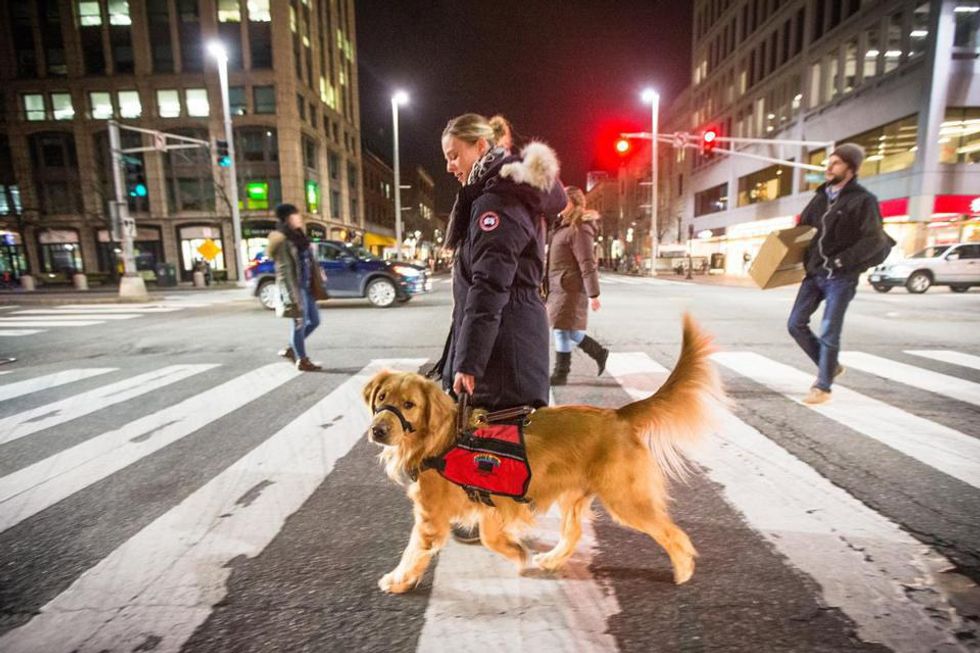
But what happens when ESAs negatively impact their surroundings and the people around them? For example, people who are allergic to one or more animals may feel concerned for medical reasons. Of course, the owner of an ESA has no way of knowing, but they should still take caution to be aware of the possibility. And yet, all too often owners of ESAs take advantage of the situation and bring their ESAs everywhere they go, even when questionably inappropriate. This may include a yoga studio where ease and comfort are vital, a classroom with other people, or even a therapist’s office.
Here, I imagine people will remonstrate by pointing out that the point of ESAs is for owners to feel supported wherever they go. True as this is, how do we weigh one person’s health over that of another? Do we side with the person with severe depression or the person with serious animal allergies? What if the person with allergies is also depressed? Does the scale then weigh in their favor?
According to the United States Dog Registry, ADA (disability rights) law requires business owners and individuals alike to allow support animals onto their premises. This includes restaurants, shopping malls, and even residences. That's right -- legally, apartments cannot ban residents from housing animals if they are certified ESAs.

Mary sends her little lamb home because she's at school.
But here I am not talking about the law, as we all know that laws are often pointless and unreasonable. I am talking about common sense and common decency. The fact that people need ESAs should help them realize others are struggling too.
There is no easy answer, but communication is always a strong starting point. I recognize and support the significance of ESAs. I also believe in taking care of one's community and discussing everyone's needs out in the open.
In order to avoid speaking for others, I will only relay examples I've personally experienced. In one scenario, I was quite alarmed when I felt something hit my leg under the table in class one day. Looking down, I found myself looking into the face of a large, panting dog. Cute, but a dog nonetheless -- and unfortunately, I'm allergic. I was distracted for the entire class period. And I wasn't the only one. My peers allowed themselves to be derailed by the presence of a cute little pooch, which was both amusing and annoying. The whole hour, I felt my mind plagued with conflicting thoughts:
Should I speak up and say something? Ugh, but then people will think I hate animals. I love animals. I wish I could have one. Hmm... What if I just quietly leave for the day? I could email the professor about it and make sure it doesn't happen again. But that's not really fair to me, is it? And I don't want to miss out on today's notes... Maybe I'm making too big a deal of this. But... I could throw up. I do get nauseated around animals... And now I'm feeling anxious too. I wish I knew what's the right thing to do.
You get the idea: I wasn't sure how to deal with the situation. Would you have known? Like many issues in life, this one didn't come with a guideline or a rule book on how to proceed.