
With a presidential election approaching in only a few months, the economy is on a lot of people’s minds. Both candidates have discussed ways to improve the American economy in varying amounts of detail. We’ve heard many different phrases over the years, like “trickle down,” and “concentrated wealth,” as well as many ideas about how the economy works.
I know that economics is not an exact science but there are a few things most economists throughout the Western world agree on. It’s time to stop debating about these basic ideas.
They are as follows:
"Trickle down economics works"
Cut taxes on the wealthiest people in our country. You know, the hardworking, entrepreneurs who create jobs. Let them put as much money in the bank as the possibly can. That should create jobs and grow our economy, correct?
This statement rests on the assumption that if business owners have more money, that money will go toward more jobs. That assumption is false.
Trickle down doesn’t work.
The truth is that job creation is not a result of companies having more revenue but because of an increased need for demand for goods and services. Think about this: Why would companies pay their employees more if they don’t have to? If there’s no need to increase production or any mandated wage increases from the government, they won’t create jobs or pay employees more. What will happen is that a greater margin of income will go toward the personal incomes of high ranking officers and investors in the company.
Demand is what creates jobs and in order to have more demand in our economy, we need average people with money to spend, not tax breaks for the personal incomes of our wealthiest citizens.
"We shouldn't be concerned about concentrated wealth"
Most economists agree that concentrated wealth is problematic because it is an indication that money is not circulating through our economy like it should. This is generally a problem because it means the average person has less money and cannot generate demand like they would if they had more money in their pockets.
Wealthy people may spend more money than the average person. They may have more clothes, cars and houses than the average person. Still, their spending cannot make up for the millions of people who are not buying cars and houses, etc. They cannot make up for the economic activity that is being lost because the average person is struggling financially. Every politician’s goal is to get more money in the pockets of American citizens, which brings them financial stability and increases demand for goods and services, which in turn creates more jobs.

If you plan on voting for someone whose only method of achieving this is to lower taxes on the middle class (which isn’t necessarily a bad thing, but our taxes are already quite low) and cut government spending in a way that would eliminate state and federal jobs, you need to vote for someone else.
"We need to end the Death Tax"
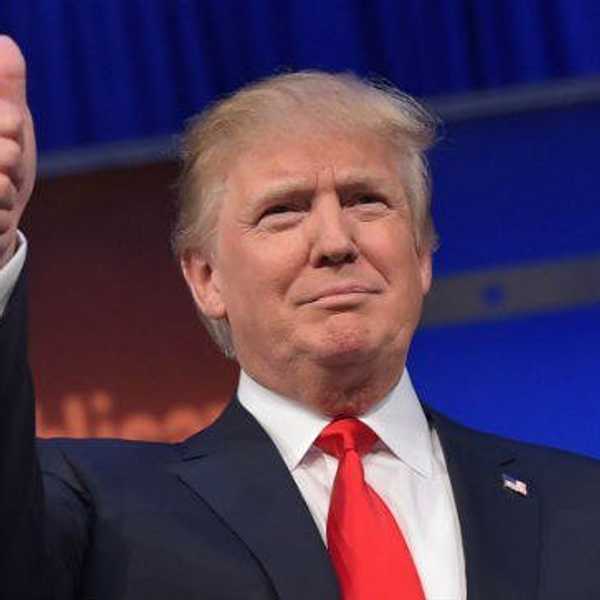
Some politicians have tried to describe the “death tax,” which should be referred to as the “estate tax,” as an unfair tax policy meant for the government to take advantage of people who’ve lost their loved ones by stealing large amounts of inheritance money. They also make this seem like a major issue that needs our attention. Renaming the “estate tax” to “death tax” is a very clever rhetorical trick used by politicians who want the public to oppose this tax policy. Donald Trump has spoken very openly about his opposition to the estate tax, making it seem like his white-working class voters will benefit immensely from doing away with this law.
Here is the truth: The estate tax is meant to tax the estates of deceased people whose property is worth more than $5.45 million. However, due to several legal loopholes that wealthy people are able to take advantage of, the estate tax is mostly paid on estates valued at over $11 million. Not surprisingly, only two out of 1,000 people pay the estate tax. It barely affects the American people, individually, and provides a significant source of revenue. As mentioned earlier, redistribution of wealth is important and this is one avenue to accomplish this complicated task.
Now, here is a mystery that I cannot explain: why would Donald Trump waste his time speaking on a topic at his rallies that affects (probably) no one in attendance?