
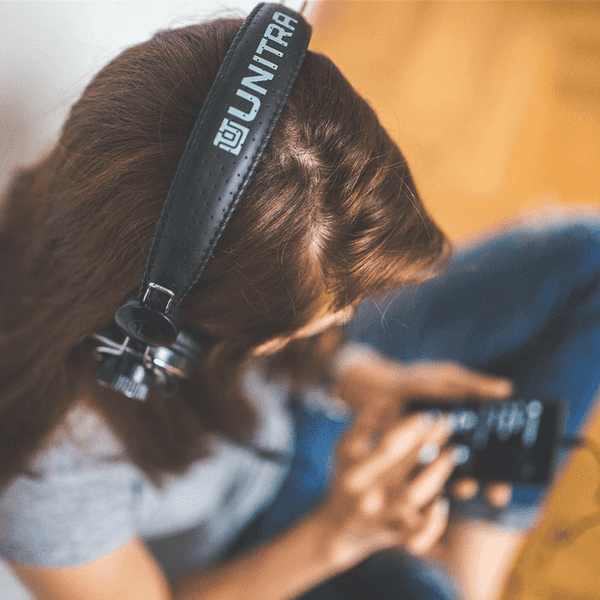

When you sit down at your desk to study for next week’s test, or tomorrows test if you are really behind, you usually find yourself putting on some music to help ease the pain of the upcoming cram session.
Maybe you put it on to help yourself stay on task or because you hate the sound of silence. Maybe if you didn’t put on music you’d be able to hear your roommate yelling at your other roommate to do the dishes. The point is, you will most likely find yourself listening to something while you try to keep your GPA afloat.
But, have you ever thought about the music you’re playing while you study? Can a certain type of music magically make you better at storing information for this test? Or, does listening to music distract you from what you are trying to study and leave you with donkey brains?
Lucky for you, there has been research done on this subject by several psychologists at multiple university and here is what they found.
1. The Mozart Effect is a myth.
Everyone knows that if you listen to Mozart, you’ll just become a smarter person right? Wrong, according to psychologist Francis Rauscher who did the initial research on the Mozart Effect, "It's very important to note that we did not find effects for general intelligence." The myth started because the results of the tests conducted by Francis Rauscher showed that students who listened to 10 minutes of Mozart rather than 10 minutes of silence scored higher on spatial temporal tasks. The students performed this way because it is easy to be distracted in quiet environment, not because Mozart fuels your brain. What this study does show is that music can help you stay focused on task and may lead to better performance.
2. Even though the Mozart Effect is false, classical music might still be the way to go.
What researchers have found, is that music with lyrics may distract you from your task. So even though Mozart won’t make you smarter, he might not distract you as much as your favorite power ballad from Journey. On this same note, when choosing to listen to music, you don’t really care about might help you stay on task. If you really enjoy the playlist you have set up on your phone, you might want to save it for another time. Research has shown that playing music you love might distract you, so queue up those classical tunes that won't distract you.
3. Keep it up beat.
Listening to up-tempo and fast paced music while studying will keep you happy and stress free. The sweet spot for this type of music is around 60 beats per minute.
4. Keep the volume low.
Loud music may distract you from your studies. Keep the volume below medium to reduce distraction potential.
5. Don't listen to music via radio.
Listen. I know you like hearing your favorite DJ talk about why he thinks "The Rise and Fall of Ziggy Stardust and the Spiders from Mars" is the greatest album of all time, but hearing the DJ will probably distract you from what you are trying to do. If you want optimum distraction free music, pre-make a playlist on your phone so you don’t hear any commercials, PSAs or deep-voiced DJs. Also, pre-making the playlist will stop you from wasting time making one while you study or from skipping songs while studying.
Remember, the point is to stay focused on the task. So eliminating any form of distraction while you study will likely improve your studying habits.