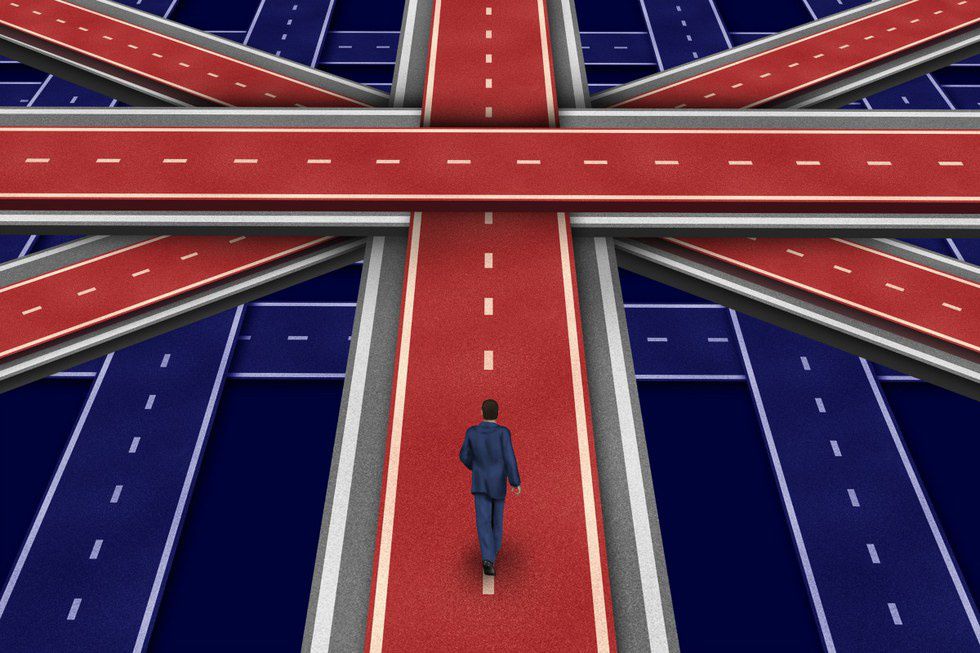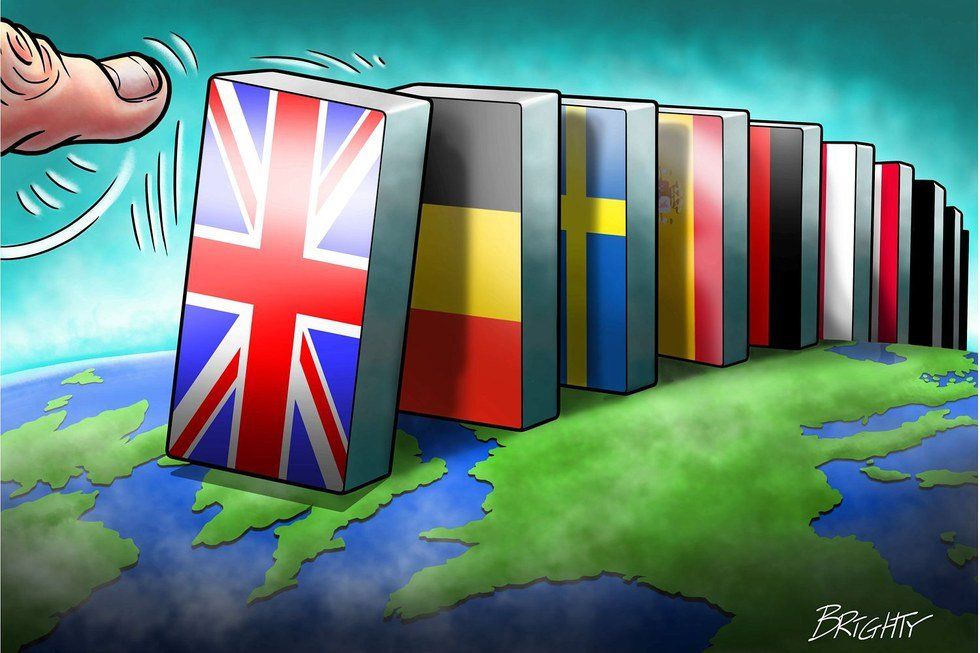
As the Western hemisphere slept through the night, on the other side of the world, the referendum in the UK shocked the European Union as the UK has voted to leave the EU making this the biggest blow since World War II for the European Union. (The final vote tally showed that 48.1% of Brits voted against leaving, while 51.9% voted in favor of leaving.) Often known as the EU - The European Union is an economic and political partnership involving 28 European countries. One of the main purposes of its creation was to help countries, within the EU, trade together making it more likely to avoid going to war with each other. Since then, it's grown to become a "single market" allowing goods and people to move around easily, basically as if the member states were one country. But now after this referendum, the whole world is left wondering why did this happen and, more importantly, what is going to happen next?
There are many reasons why Prime Minister David Cameron, along with the "remain" campaign, wanted to stay in The European Union like job security, worker's rights, and the ability to travel around the EU easily. But first and for most, The EU is one of the world's largest markets, accounting for 25 percent of the global GDP. And currently, 45 percent of the UK's exports are TO the EU making the it their biggest trading partner. The UK's membership also attracts more foreign investment. In 2012, 50 percent of the UK's Foreign Direct Investment, or FDI, were in relation to the EU. Secondly, the UK will suffer around a 3 percent loss of their GDP to import and export tolls meaning they have forfeited free trade with the EU. This also means that they will now have to negotiate dozens of new trade agreements in the future.
From economic costs to the bureaucracy of the EU, to immigration issues, the "leave" campaign believes that the EU was holding the UK back. The cost of EU membership is estimated to be around 11 percent of the UK's annual GDP and Brexiters believe that the money would be better spent on industries and scientific research within Britain. And though the EU is the UK's largest trading partner, they also believe that it would be better if Britain could independently pursue international deals. This also ties into the idea of the EU being an over-regulated, bureaucratic burden. In other words, The Brexiters believe that the EU is too controlling. Finally, the issue of immigration is arguably the biggest reason for the referendum debacle. The EU has founding principles and in that includes the free movement of people, goods, services, and money. Because of this principle, the UK has no control over immigration and many concerned citizens believe that this puts the UK at greater risk of a terror attack.
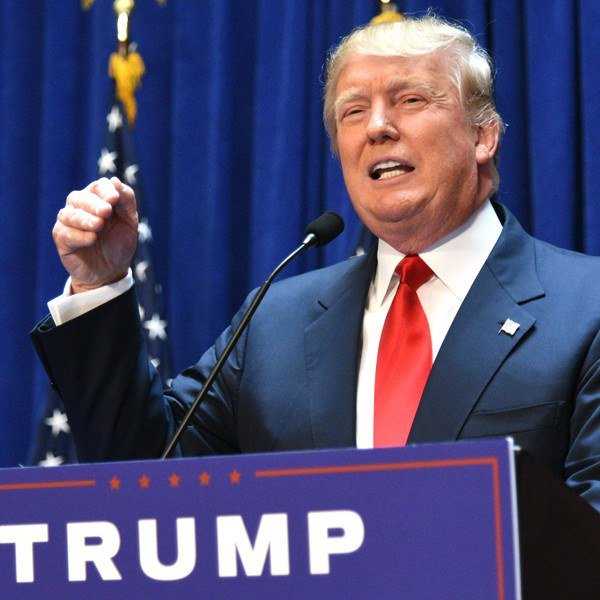
For Northern Ireland and Scotland, the countries believe that it is "democratically unacceptable". First Minister Nicola Sturgeon stated that the whole island of Ireland should vote on reunification. Similarly, Scotland is seeking independence from the UK. But how will this affect people across the pond? Well, US Bank Wealth Management's Wiegand's said in an interview with USA Today, "In a low-growth environment, uncertainty or increased concerns really do create tremendous volatility". The US suffered the worst drop in stocks in ten months and erased roughly $800 billion in U.S. market value. This has also given an opportunity to the presidential candidates to state their opinions on one of America's biggest ally. Presidential candidate Donald Trump called it a "great" development. He stated, "people want to take their country back" which is a parallel to Trump's immigration reform which includes "The Trump Wall" across the southern border of the US. He believes that a country without border is not a country. His rival, Hillary Clinton, who was in favor for Britain to remain in the EU, said in a statement,
"It also underscores the need for us to pull together to solve our challenges as a country, not tear each other down".
So now what? One of the most important things to think about when considering what is next for Great Britain, is that after six years, Prime Minister David Cameron, resigned from his position. Cameron stated, in his resignation address,
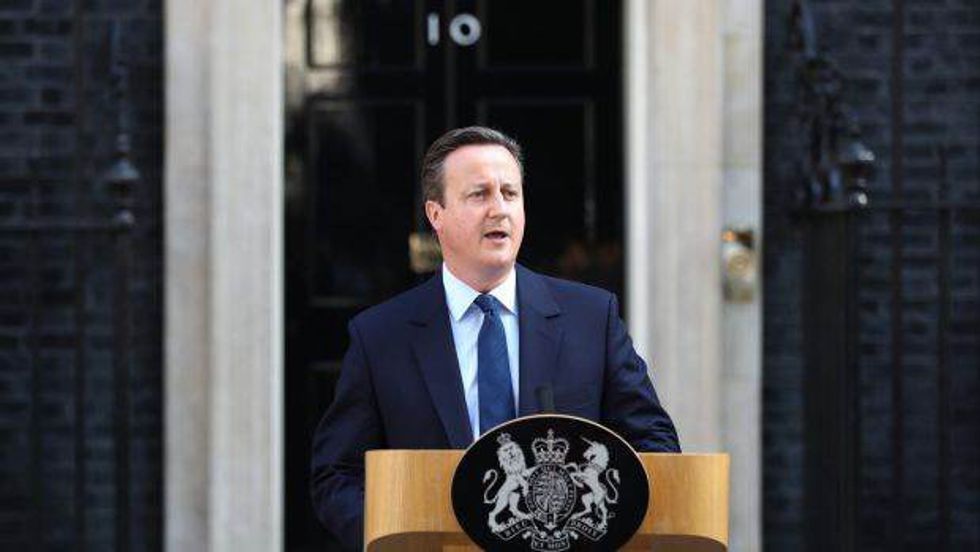
"I will do everything I can in future to help this great country succeed. I think the country requires fresh leadership. I do not think I can be the captain to take the country to its next destination."
He has continuously proven himself as a fearless leader. Among his first actions in office, he formed the first coalition government since World War II. And now, though he was in favor for UK to remain with the European Union, he resigned stating that the country requires fresh leadership. That leadership will be preceded by what could a bitter leadership battle in October when Cameron hands over power to his predecessor. It will then be up to he or she to activate Article 50 and formally make the application to leave the EU and begin the two years of negotiation that will lead to the UK's official departure in 2018.
So until then all the world can do is wait. The future is vast and like the results of this referendum, it is very unpredictable.